
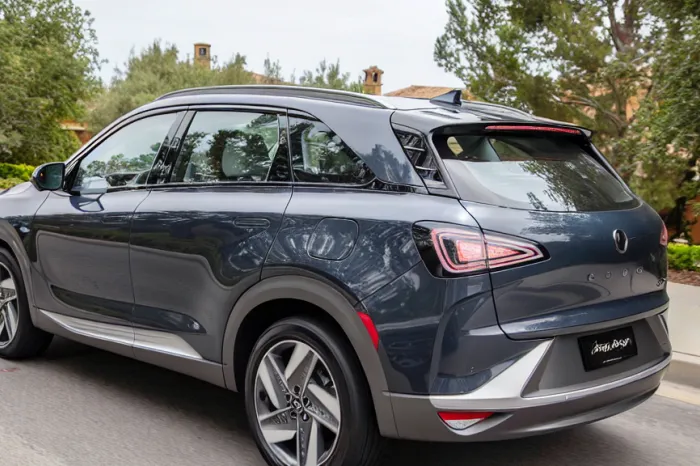
Hyundai has recently initiated a large-scale recall affecting close to 200,000 vehicles across Europe. The recall covers two main issues found in different models. One involves the first generation Kona Electric, which faces a battery monitoring system defect, while the other concerns the third generation i10, recalled due to a fuel pump problem. These actions reflect Hyundai’s commitment to addressing safety concerns promptly and ensuring customer protection.
The recall campaign began in March 2026 and includes vehicles sold across various European markets. Hyundai is working with dealerships to inspect and repair affected cars free of charge. The battery monitoring issue in the Kona Electric could potentially affect the vehicle’s ability to accurately track battery performance, while the fuel pump defect in the i10 poses a risk of fuel leakage, which could lead to safety hazards.
In addition to the recall, Hyundai has announced the resumption of sales for its Palisade SUV after completing a final fix for previous issues. The Palisade had been temporarily withheld from sale as Hyundai implemented improvements to ensure the vehicle meets all safety and quality standards. The company has now confirmed that these updates are complete, allowing dealers to offer new Palisade models once again.
Hyundai’s proactive approach aligns with broader industry trends where automakers are increasingly attentive to potential defects that could impact vehicle safety. By acting swiftly on these recalls, Hyundai aims to maintain consumer trust and uphold its reputation for reliability. Customers who own the affected models are encouraged to contact their local dealers for inspection and necessary repairs.
These recent developments come amid a busy period for Hyundai as it continues to expand its electric vehicle lineup and enhance its offerings in key segments such as SUVs and compact cars. The company’s focus on resolving technical issues quickly demonstrates its dedication to delivering safe and dependable vehicles to its customers worldwide.
Industry experts note that recalls like these, while sometimes disruptive, play an essential role in automotive safety by addressing defects before they cause accidents or injuries. Hyundai’s transparent communication about the recall and swift corrective actions are seen as positive steps in ensuring road safety.
Overall, Hyundai’s recent recall and the resumption of Palisade sales highlight the brand’s ongoing efforts to balance innovation with rigorous quality control. Consumers can expect continued updates from Hyundai as it works toward improving vehicle performance and safety across its global product range.
