
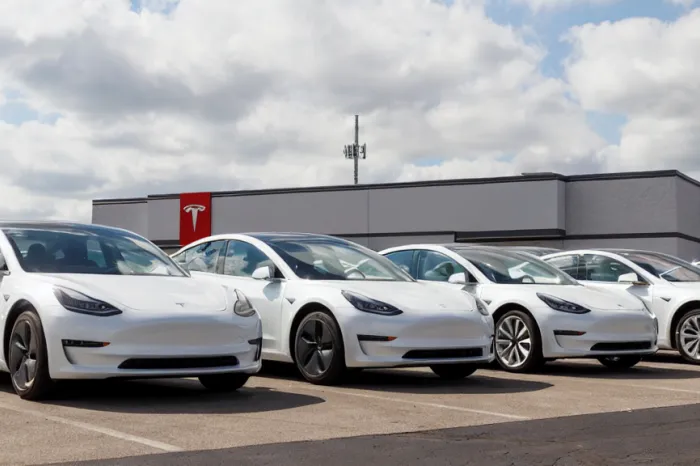
A significant increase in the number of used electric vehicles (EVs) is expected to hit the market in the coming years, reshaping the used car landscape and presenting both opportunities and challenges. This surge results from a wave of leased EVs reaching the end of their contracts, as many early adopters return their vehicles to dealerships. For consumers, this influx means a greater chance to buy electric cars at much lower prices than new models, making EV ownership more accessible.
The recent boom in electric vehicle leasing was driven by attractive incentives and tax credits, which made monthly payments more affordable. Instead of purchasing outright, many buyers opted for two- or three-year leases. Now, these leased vehicles are returning simultaneously, swelling the supply of used EVs. Increased availability generally leads to lower prices, and since EVs have been depreciating faster than traditional cars, the used EV market is about to become even more affordable.
However, this shift is causing concern among automakers and financial institutions. Leasing companies rely on accurately forecasting the residual value of EVs at lease end to maintain profitability. Current projections have proven overly optimistic, with many used EVs expected to be worth $5,000 to $20,000 less than anticipated. This discrepancy could result in losses nearing $8 billion by 2028. Presently, a three-year-old EV retains about 40% of its original value, a sharp decline from around 90% just a few years ago.
Manufacturers heavily invested in leasing programs, such as Tesla and General Motors, face the largest wave of returns. The volume of off-lease EVs is predicted to reach nearly 800,000 units by 2028 and represent about 15% of the total used vehicle supply by the end of this year. This flood will test how well automakers can adapt their business strategies to handle the increased inventory and diminished values.
To address these challenges, automakers, lenders, and dealers are adjusting their approaches. They are adopting faster resale methods including online sales platforms and direct-to-consumer transactions. Certified pre-owned EV leasing programs are also being explored to keep vehicles moving quickly. Additionally, auction houses are investing in infrastructure tailored for EVs, such as charging stations and battery diagnostic tools.
Despite lower prices impacting manufacturers’ profits, dealers remain confident that demand for used EVs will stay strong due to affordability gains for buyers. Industry analysts suggest that pricing support or incentives may become necessary to balance inventory levels and sales velocity. This period marks a crucial adjustment phase where EV adoption continues to grow but with more realistic market valuations.
Ultimately, the expansion of affordable used electric vehicles could significantly broaden access to EV ownership beyond early adopters. While automakers may face financial setbacks initially, this trend might be essential for mainstream acceptance of electric transportation. Buyers stand to benefit from improved affordability and choice as the used EV market matures.
