
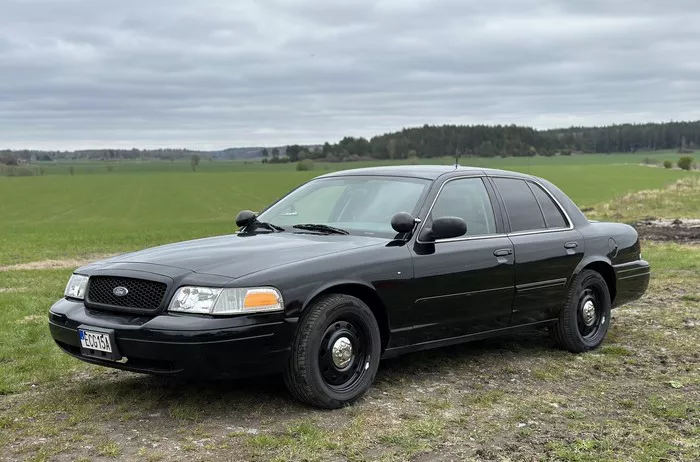
As the U.S. auto market approaches 2026, one challenge has taken center stage: affordability. In December, the average price of a new vehicle in the United States surpassed $50,000, a milestone that has pushed many buyers out of reach of new cars. In response, Ford appears to be reconsidering its long-term product strategy, including the possibility of reintroducing sedans to its American lineup.
Ford CEO Jim Farley recently indicated that the company is not ruling out a comeback for traditional four-door cars. Speaking to Automotive News, Farley said, “Never say never,” emphasizing that while the sedan market faces challenges, it is not dead. He clarified that the main barrier has not been a lack of consumer interest, but Ford’s struggle to operate profitably within the segment. Still, he acknowledged that a sustainable solution could emerge in the future.
Why Ford Exited the Sedan Market
Ford withdrew from the U.S. sedan segment in 2020, discontinuing the Fusion as part of a broader pivot toward SUVs, crossovers, and pickup trucks. At the time, the move aligned with consumer trends, as American buyers overwhelmingly favored vehicles with higher seating positions, larger interiors, and perceived versatility.
The shift was so pronounced that even sports-focused brands adapted. Ferrari, for example, launched its first-ever SUV. Sedans, by contrast, were widely viewed as a declining segment with limited growth potential.
Rising Prices Could Shift Buyer Preferences
Today, market dynamics are changing. With new car prices steadily climbing, sedans could regain appeal if they offer meaningful cost savings. While earlier consumer migration to SUVs and crossovers was driven by preference, affordability may now become an equally strong motivator.
Recent industry moves highlight this trend. Nissan recently discontinued the Versa, once the most affordable sedan in America, citing low consumer interest. This leaves no new vehicle in the U.S. priced below $20,000, signaling a shrinking market for entry-level cars that historically served as accessible transportation for mass-market buyers.
Trucks Continue to Influence Pricing
Despite these shifts, full-size trucks and SUVs remain the primary drivers of high average transaction prices. Models like the Ford F-150 and large crossovers routinely exceed $50,000, though entry-level versions still matter. For example, the 2026 Ford F-150 is expected to start around $39,000.
This pricing landscape suggests that many buyers continue to prioritize size and capability even as costs rise. The question is whether there is room in the market for a simpler, more affordable sedan that attracts cost-conscious buyers without compromising Ford’s profit margins.
Sedans Thrive Abroad
Globally, Ford has not abandoned sedans. In markets such as China, the company continues to sell traditional three-box models through its joint venture with Changan Automobile, including the Ford Mondeo.
In the U.S., however, sedans are largely maintained by Asian automakers. Vehicles like the Toyota Corolla, Honda Civic, and Hyundai Elantra continue to sell steadily, demonstrating that demand has not disappeared entirely.
Affordability as a Strategic Focus
A potential return of sedans would align with Ford’s broader focus on affordability. The company is already developing an electric pickup truck with a projected starting price around $30,000, a move aimed at making EVs more accessible to a wider audience.
While it remains unclear whether sedans will reappear in U.S. showrooms, the conversation itself marks a notable shift in thinking. As new cars increasingly feel like luxury goods, even long-abandoned segments may warrant reconsideration.
