
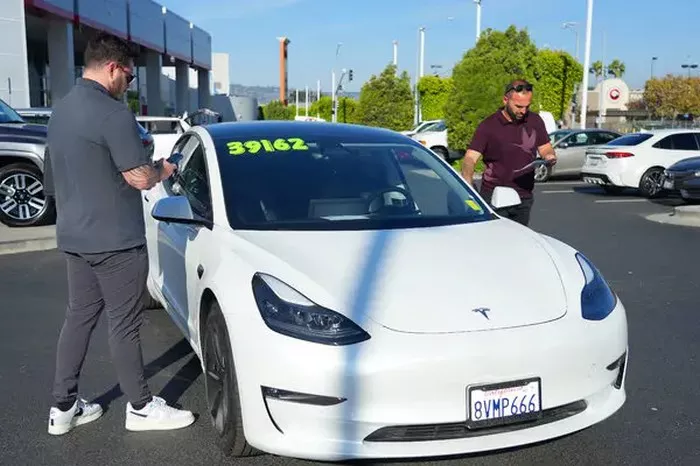
If high prices have kept you from owning an electric vehicle, the next few years may present a rare opportunity. The U.S. electric vehicle market is on the brink of a significant shift, as thousands of leased EVs are set to return simultaneously, creating a potential buyer’s market in a segment that was previously out of reach for many consumers.
This trend traces back to the Inflation Reduction Act of 2022, which reshaped EV incentives in the United States. By encouraging domestic production and favoring buyers who purchased or financed qualifying vehicles, the law effectively reduced new EV prices. While this initially pressured used EV values, the real turning point came through leasing.
Leasing Set the Stage
Under federal rules, leased EVs were often treated as commercial sales, allowing manufacturers to apply incentives without strict sourcing requirements for battery components or North American assembly. Automakers took advantage of this, offering aggressive lease deals, particularly in states with additional incentives like California and Colorado.
Entry-level EVs, such as the Nissan Leaf, became available at unusually low monthly payments, while models like the Fiat 500e occasionally came with little to no upfront cost. These incentives drove leasing volumes sharply higher during 2022 and 2023.
With most leases running 24 to 36 months, the first wave of vehicles began returning in late 2024. This trend is expected to intensify over the next two years, peaking around 2027 and 2028, when the majority of three-year leases reach maturity.
Rising Supply Could Drive Prices Down
The surge in returning leased EVs is expected to push prices lower. EVs already depreciate faster than many gasoline vehicles due to concerns over battery life and replacement costs. However, real-world experience is changing perceptions. Modern EV batteries have proven durable, with most retaining a significant portion of their original capacity even after several years.
As confidence in battery longevity grows, the used EV market is likely to stabilize following this initial wave of price corrections, offering a rare chance for buyers to access modern electric vehicles at a fraction of their original cost.
What This Means for Buyers
Timing is crucial. With average new vehicle prices in the U.S. surpassing $50,000, many households are priced out of the new car market. A growing supply of lightly used EVs with low mileage could provide an attractive alternative, offering the latest technology, lower operating costs, and, in many cases, remaining factory battery warranties.
For urban and suburban drivers, these returning lease vehicles may represent the best value proposition in the EV market to date. Many models will still feature updated software and modern driver-assistance systems, making them practical and affordable options for mainstream consumers.
A Potential Boost for EV Adoption
This market shift highlights the impact of policy, tax incentives, and strategic leasing rather than new technology alone. By flooding the used market with quality EVs, these factors may finally make electric mobility accessible to a broader audience.
Where early adoption was once driven by enthusiasts willing to pay premium prices, the next phase of EV adoption could be defined by everyday consumers taking advantage of compelling deals.
