
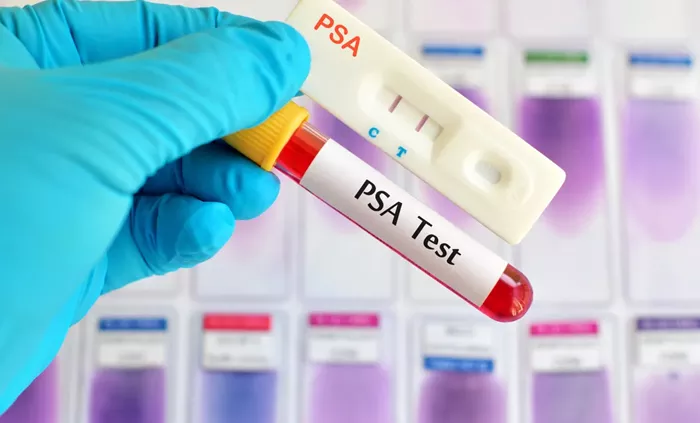
Prostate-specific antigen (PSA) testing remains a hotly debated issue in Canada, stirring questions about whether men should undergo routine screening.
The PSA test, a simple blood examination, measures levels of a protein produced primarily by the prostate gland. Elevated PSA levels can indicate a range of conditions, from benign enlargement to prostate cancer.
Yet, many men hesitate to take the test. Critics argue that an abnormal result does not automatically indicate cancer, and further evaluation is required to determine the underlying cause.
Prostate cancer remains a significant health concern. Each year, approximately 28,000 Canadian men are diagnosed, and around 5,000 die from the disease—meaning 1 in 30 Canadian men will ultimately die from prostate cancer. It is the third leading cause of cancer death among Canadian men.
Part of the ongoing controversy stems from the nature of prostate cancer itself. Unlike some other cancers, it is not always fatal. Many men live with the disease without it directly contributing to their death. In some cases, “active surveillance”—carefully monitoring the cancer rather than immediately treating it—is considered the safest approach.
Public awareness is growing. Even high-profile figures such as King Charles have discussed prostate health openly. His treatment for an enlarged, non-cancerous prostate—likely indicated by a PSA test—sparked broader conversations, despite subsequent discovery of a separate, undisclosed cancer.
Access to PSA testing varies across Canada. In British Columbia and Ontario, men must pay approximately $35 for the test, whereas most other provinces cover the cost.
Medical guidelines also influence testing rates. In the United States, PSA testing is generally discouraged for routine screening due to concerns about overdiagnosis and unnecessary treatments. Following this model, the 2014 Canadian Prostate Cancer Screening Guideline recommended against routine PSA testing for men of any age.
However, some Canadian doctors are challenging these recommendations. Neil Fleshner, a urologic oncologist at Toronto’s Princess Margaret Cancer Centre, calls the 2014 guideline a “travesty,” noting that active surveillance was already widely practiced at the time of its release.
Differences in healthcare systems help explain why PSA testing may be more cautiously applied in Canada. In the U.S., where healthcare operates in a market-driven environment, aggressive treatment is often pursued immediately after a cancer diagnosis. In contrast, Canada’s publicly funded system positions doctors as gatekeepers, emphasizing careful monitoring and judicious use of resources.
Experts recommend that Canadian men consider PSA testing and follow up with regular monitoring. A sudden change in PSA levels may indicate a problem, but it does not necessarily signal immediate danger.
READ MORE
Prostate Cancer: Targeted PSA Testing Urged for High-Risk Men
PSA Test Debate: Risks Outweigh Benefits for Many Men
Post Malone Reveals 60-Pound Weight Loss and Shares Health Strategies
