
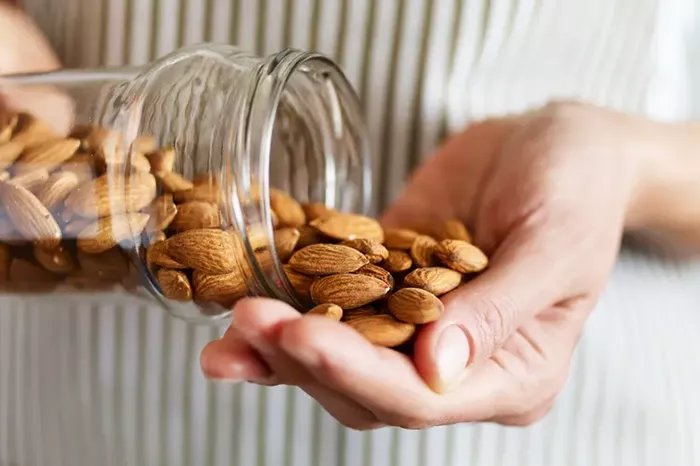
A new systematic review published in Scientific Reports suggests that eating more than 60 grams of almonds per day may protect DNA from oxidative damage and improve the body’s natural antioxidant defenses.
The analysis, which pooled data from eight clinical trials, highlights almonds’ potential role as a functional food for managing oxidative stress but underscores the need for further standardized studies before broad public health recommendations can be made.
Key Findings
Researchers examined data from 424 adults across five randomized controlled trials and three crossover trials. The studies included diverse participants, ranging from healthy individuals to smokers and patients with chronic illnesses. Almond intake varied from 5 to 168 grams daily over periods of four to 24 weeks.
The meta-analysis revealed a clear dose-dependent effect:
High-dose almonds (>60g/day) significantly reduced malondialdehyde (MDA), a marker of lipid damage, by a weighted mean difference of -0.46 (p = 0.002).
Oxidative DNA damage measured by 8-hydroxy-2′-deoxyguanosine (8-OHdG) decreased by -5.83 (p < 0.001).
Antioxidant defense (SOD activity) increased overall by 2.02 (p = 0.008), though improvements were not statistically significant in the high-dose subgroup.
Why It Matters
Oxidative stress—an imbalance between harmful reactive oxygen species (ROS) and the body’s antioxidant defenses—has been linked to cardiovascular disease, diabetes, cancer, and neurodegenerative disorders. Almonds, rich in vitamin E, polyphenols, and healthy fats, offer natural compounds that may counteract these effects.
Processing methods also matter. Roasting can degrade heat-sensitive antioxidants by up to 26%, while blanching removes protective polyphenols found in almond skins. Raw almonds with skins intact appear to offer the greatest benefits.
Interestingly, almonds may also exert protective effects through the gut. Their dietary fiber supports beneficial bacteria such as Bifidobacterium, which produce compounds that help reduce oxidative stress systemically.
Looking Ahead
While the findings strengthen the evidence for almonds as a dietary strategy against oxidative stress, the review’s authors caution that results varied widely due to differences in almond preparation, participant characteristics, and baseline health status. Larger, well-controlled clinical trials are needed to confirm optimal doses and clarify long-term benefits.
READ MORE
FDA Approves Papzimeos, First Therapy for Adult RRP
