
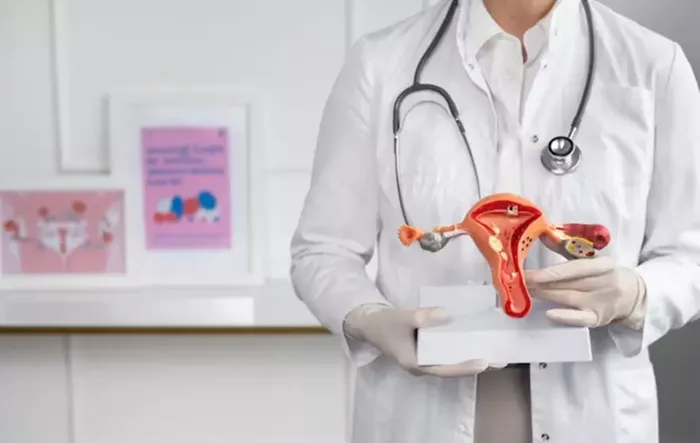
Fibroids are common growths that develop in or around the uterus. Many women have them, but not all know what they are or how they might affect pregnancy. When a woman becomes pregnant, fibroids can sometimes cause worry because they grow in the same area where the baby is developing. This can make many expectant mothers ask: Are fibroids dangerous during pregnancy? In this article, we will explain what fibroids are, how they behave during pregnancy, the risks they might bring, and how doctors manage them to keep both mother and baby safe. Our goal is to give clear, simple information to help women understand what to expect and how to care for themselves if they have fibroids while pregnant.
What Are Fibroids?
Definition and Types of Fibroids
Fibroids are non-cancerous tumors made of muscle and fibrous tissue. They grow in the uterus and vary in size from tiny to very large. There are three main types:
- Submucosal fibroids: grow just under the lining of the uterus.
- Intramural fibroids: grow inside the muscular wall of the uterus.
- Subserosal fibroids: grow on the outer surface of the uterus.
Each type can affect pregnancy differently, depending on where it is located and how big it grows.
Who Gets Fibroids?
Fibroids are very common, especially in women aged 30 to 50. Black women are more likely to develop fibroids than women of other races. They often cause no symptoms, so many women don’t know they have them. However, some women may experience heavy periods, pain, or pressure in the belly before pregnancy.
How Do Fibroids Affect Pregnancy?
Fibroid Growth During Pregnancy
During pregnancy, hormone levels, especially estrogen and progesterone, increase. These hormones can make fibroids grow faster. Most fibroids do not change much, but some can get bigger, especially in the first three months. Larger fibroids can take up space inside the uterus, which may cause problems.
Possible Symptoms
Women with fibroids may feel discomfort, belly pain, or pressure as the fibroids press against the growing baby or nearby organs. Sometimes, the pain can be sudden and sharp. This is often due to a fibroid outgrowing its blood supply and beginning to die, a condition called “red degeneration.”
Risks and Complications of Fibroids During Pregnancy
Early Pregnancy Risks
Fibroids can increase the chance of miscarriage, especially if they are large or located inside the uterine lining. They may also increase the risk of bleeding in early pregnancy.
Problems With Baby Growth and Position
Large fibroids can limit the space in the uterus. This may cause the baby to grow less than expected (called intrauterine growth restriction) or make the baby lie in an unusual position. A baby in the wrong position may lead to a difficult delivery.
Preterm Labor and Delivery
Fibroids may increase the risk of preterm labor, which means labor starting before 37 weeks. Early delivery can lead to complications for the baby.
Placenta Issues
Fibroids can sometimes block the placenta’s blood flow or cause the placenta to attach abnormally, which can be dangerous for both mother and baby.
Cesarean Section (C-Section) Delivery
Fibroids can make vaginal delivery difficult or unsafe. Many women with large fibroids may need a C-section to deliver their baby safely.
Postpartum Hemorrhage
After birth, women with fibroids are at higher risk of heavy bleeding (called postpartum hemorrhage). This happens because fibroids can stop the uterus from contracting well to close off blood vessels.
How Are Fibroids Diagnosed During Pregnancy?
Ultrasound Scan
Most fibroids are found during routine ultrasound scans. The doctor can see the size, number, and location of fibroids. This helps to predict any problems during pregnancy.
Other Imaging Tests
In rare cases, if more details are needed, an MRI scan may be done. This is safe during pregnancy and gives clearer pictures of fibroids.
Managing Fibroids During Pregnancy
Monitoring and Regular Checkups
Doctors will carefully watch fibroids during pregnancy with regular checkups. They check the baby’s growth and the fibroid’s size to catch any problems early.
Pain Relief
If fibroids cause pain, doctors may recommend safe painkillers like acetaminophen (paracetamol). Avoiding heavy lifting and resting can also help.
Treatment Options
Most fibroids do not need treatment during pregnancy. Surgery to remove fibroids (myomectomy) is generally avoided because it can cause bleeding and harm the pregnancy. In very rare and serious cases, surgery might be considered if the fibroid causes extreme problems.
Delivery Planning
Doctors may plan delivery based on fibroid size and location. A C-section might be scheduled if fibroids block the birth canal or cause other risks.
Fibroids After Pregnancy
Changes After Birth
Fibroids often shrink after pregnancy because hormone levels drop. Some women find their symptoms improve or disappear.
Future Pregnancies
Having fibroids does not always mean future pregnancies will be risky. Many women with fibroids have healthy pregnancies and babies. However, it’s important to get advice from a doctor before trying to conceive again.
When Should You See a Doctor?
If you have fibroids and become pregnant, it is important to see your doctor regularly. Contact your healthcare provider if you experience:
- Severe belly pain
- Heavy bleeding
- Signs of preterm labor (such as regular contractions before 37 weeks)
- Reduced baby movements
Early care can prevent many problems and keep both you and your baby healthy.
Conclusion
Fibroids during pregnancy can sound scary, but for most women, they do not cause serious problems. Many women with fibroids have healthy pregnancies and safe deliveries. The key is to know what fibroids are, watch for any symptoms, and keep regular doctor appointments. If fibroids cause pain or other issues, doctors can help manage them safely. Remember, each pregnancy is different, so trust your healthcare team to guide you. With good care and attention, you can enjoy a healthy pregnancy and welcome your baby with confidence.
Frequently Asked Questions
Can fibroids cause miscarriage?
Large fibroids, especially those inside the uterus lining, may increase miscarriage risk. However, many women with fibroids have successful pregnancies.
Is it safe to deliver vaginally with fibroids?
It depends on the fibroid size and position. Some women can have normal deliveries, while others may need a C-section.
Can fibroids affect breastfeeding?
Fibroids do not affect breastfeeding directly. Most women with fibroids can breastfeed without problems.
You Might Also Like
How Do Fibroids Look on Ultrasound?
