
Recovering from fibroid surgery is different for every woman. Healing depends on the type of surgery, your overall health, and how well you rest. This guide explains the healing process in simple words and answers common questions women have after surgery.
What Are Fibroids?
Fibroids are non-cancerous growths in the uterus. Many women have them, especially between the ages of 30 and 50. They can be small like a pea or as large as a grapefruit. Sometimes they cause no problems, but in other cases, they cause pain, heavy bleeding, or pressure.
Common Symptoms of Fibroids
- Heavy or long periods
- Pain or pressure in the belly
- Frequent urination
- Constipation
- Back or leg pain
Types of Fibroid Surgery
The type of surgery affects how long you will need to heal. Here are the main types:
1. Myomectomy
This surgery removes fibroids but keeps the uterus. It’s a common choice for women who still want children.
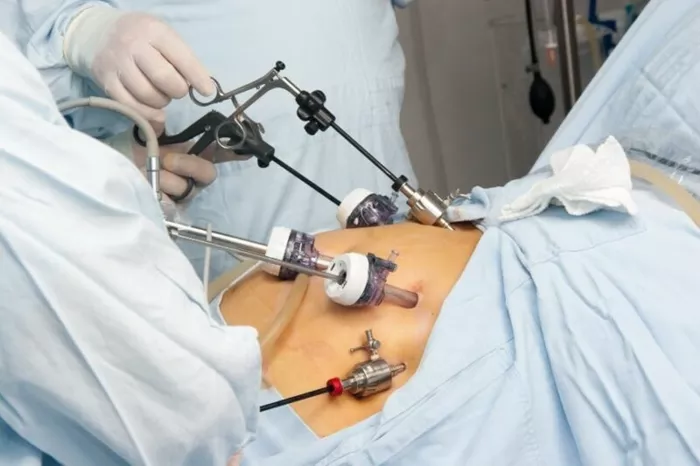
- Laparoscopic myomectomy: Small cuts and a camera are used. Recovery is usually faster.
- Abdominal myomectomy: A bigger cut in the belly is made. Recovery takes longer.
- Hysteroscopic myomectomy: No outside cuts. The doctor uses tools through the vagina. Recovery is the quickest.
2. Hysterectomy
This removes the whole uterus. It’s a permanent solution, but it also means you can’t get pregnant. Recovery depends on how the surgery is done—through the belly, vagina, or with a camera.
How Long Does It Take to Heal After Fibroid Surgery?
1 Week After Surgery
You may feel tired and sore. Pain medication helps. Walking slowly each day is good. Most women rest at home. Bleeding or spotting is normal.
2 to 4 Weeks After Surgery
Energy improves. Light tasks at home are possible. Many women still avoid work, driving, and lifting heavy items. Gentle walking is encouraged. Sleep and meals are important.
4 to 6 Weeks After Surgery
For minor surgeries like laparoscopic or hysteroscopic myomectomy, you may feel almost normal. For abdominal surgery or hysterectomy, healing still continues. You may return to work slowly.
6 to 8 Weeks and Beyond
Most women feel back to their usual self after 6–8 weeks. However, some feel tired or weak longer. Emotional healing can take time too.
What Affects Healing Time?
Healing isn’t the same for everyone. Several things affect how long it takes:
- Type of surgery: Bigger cuts need more time to heal.
- Age and health: Younger women and healthy bodies heal faster.
- Rest and nutrition: Good sleep, balanced food, and water speed up healing.
- Emotional state: Feeling calm and supported helps.
Tips for a Smooth Recovery
1. Rest Well
Try to sleep at least 7–8 hours each night. Take short naps during the day. Let others help with cooking or chores.
2. Eat Nutritious Food
Choose fruits, vegetables, lean meats, and whole grains. Drink plenty of water. Avoid processed food and sugary drinks.
3. Move Slowly
Gentle walking prevents blood clots and helps your body recover. Avoid running, jumping, or lifting heavy things.
4. Care for Your Wound
Keep the area clean and dry. Follow your doctor’s advice. Watch for signs of infection like fever, redness, or discharge.
5. Manage Pain
Your doctor may give you medication. Use it as directed. Don’t wait until the pain is too strong.
6. Stay Emotionally Healthy
Some women feel sad or anxious after surgery. Talk to someone you trust. Resting and accepting help are part of healing. You’re not alone.
When to Call the Doctor
Healing has ups and downs. But some signs mean you should call your doctor:
- Fever over 100.4°F (38°C)
- Severe pain not going away
- Heavy bleeding or large clots
- Red or smelly fluid from the wound
- Trouble breathing or chest pain
Tests and Check-Ups
After surgery, your doctor will want to check your healing. You might have a follow-up visit after 1–2 weeks. Blood tests, imaging, or other checks may be needed if symptoms don’t improve.
Mental Health During Recovery
It’s normal to feel worried or emotional after fibroid surgery. Your hormones may change, and your body needs time to adjust. Anxiety, mood swings, or even sadness can happen.
Ways to Support Your Mental Health
- Talk to family or friends
- Keep a journal of how you feel
- Practice breathing exercises or gentle meditation
- Join online support groups for women who had fibroid surgery
If low mood lasts for more than two weeks, talk to a doctor or therapist. Your mental health is just as important as your physical recovery.
3 Common FAQs About Healing After Fibroid Surgery
Q1: Can I get pregnant after fibroid surgery?
Yes, many women can get pregnant after myomectomy. The uterus may need a few months to heal. Your doctor will tell you the best time to try.
Q2: When can I go back to work?
It depends on your job and the type of surgery. Some women return in 2–3 weeks, while others need 6–8 weeks. Desk jobs are easier to go back to sooner than physical work.
Q3: Will the fibroids come back?
Fibroids can grow again, especially if you had a myomectomy. A healthy lifestyle may help reduce the chance. If you had a hysterectomy, fibroids won’t return.
Related topics:
When Can I Start Having Sex After Fibroid Surgery?
