
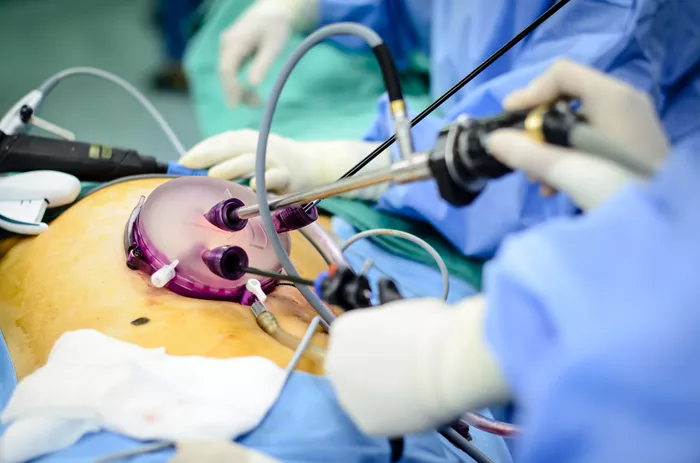
Uterine fibroids are non-cancerous growths that develop in or around the uterus. Though they are quite common—especially among women aged 30 to 50—not every fibroid needs treatment. However, for women who experience heavy bleeding, pelvic pain, frequent urination, or fertility issues, surgery may become necessary.
There are different types of fibroid surgeries—each with its own recovery timeline. Understanding the type of procedure you’re undergoing is essential to preparing physically, emotionally, and logistically for the healing journey ahead.
Types of Fibroid Surgery: A Quick Overview
1. Myomectomy
This procedure removes fibroids while preserving the uterus. It’s often recommended for women who wish to maintain fertility. Myomectomy can be performed in several ways:
- Laparoscopic (minimally invasive)
- Hysteroscopic (through the vagina and cervix)
- Abdominal (open surgery)
2. Hysterectomy
This is the surgical removal of the uterus. It’s considered when fibroids are large, symptoms are severe, or other treatments have failed. It can be done laparoscopically, vaginally, or via an open abdominal approach. Recovery varies by method.
General Recovery Timeline After Fibroid Surgery
Laparoscopic Myomectomy
Recovery time: About 2 to 4 weeks
Because it’s minimally invasive, most women can go home the same day. The incisions are small, and healing is quicker. However, some fatigue and bloating may persist for a week or two.
Hysteroscopic Myomectomy
Recovery time: About 1 to 2 weeks
This outpatient procedure has the shortest recovery window. Cramping and mild bleeding are common but usually subside within a few days.
Abdominal Myomectomy or Hysterectomy
Recovery time: 4 to 8 weeks
This involves a larger incision and a longer hospital stay—typically 2 to 3 days. Returning to regular activities can take over a month, with a gradual build-up of strength and stamina.
Factors That Influence Recovery Duration
Not all recoveries are created equal. These are the most influential factors:
- Age and overall health: Younger women or those in good physical condition typically recover faster.
- Type and size of fibroids: Larger or more numerous fibroids may require more extensive surgery.
- Type of surgery performed: As mentioned, minimally invasive techniques generally lead to quicker recovery.
- Post-surgical complications: Infection, bleeding, or scar tissue can delay healing.
- Adherence to aftercare instructions: Following your doctor’s advice is crucial.
Week-by-Week Recovery Guide
Week 1: Rest and Initial Healing
Expect some pain, bloating, or fatigue. Pain medication is typically prescribed, and movement should be gentle and limited. Short walks are encouraged to prevent blood clots.
Week 2-3: Gradual Activity
Energy slowly begins to return. Light activities like walking or standing for longer periods become easier. Heavy lifting and strenuous tasks are still off-limits.
Week 4-6: Rebuilding Strength
With your doctor’s approval, you can start adding more daily activities. Fatigue may still linger, especially after abdominal procedures. Sexual activity may also resume, depending on the type of surgery and healing progress.
Week 7 and Beyond
Most women feel fully recovered by this point. For hysterectomy patients, the adjustment may continue emotionally and hormonally, especially if the ovaries were removed.
What You Can Do to Speed Up Recovery
- Follow medication instructions: Don’t skip antibiotics or pain relievers.
- Stay active but don’t overdo it: Gentle movement helps circulation and prevents complications.
- Eat nourishing foods: High-fiber meals and plenty of water can reduce constipation and support healing.
- Rest when your body asks for it: Fatigue is normal. Don’t push through exhaustion.
- Attend all follow-up appointments: Let your doctor monitor your healing.
When to Seek Medical Help
If you experience any of the following symptoms during recovery, contact your healthcare provider immediately:
- High fever (over 100.4°F / 38°C)
- Heavy or persistent vaginal bleeding
- Severe abdominal pain that doesn’t improve
- Signs of infection at incision sites
- Swelling or redness in the legs (possible blood clots)
The Emotional Side of Recovery
Surgery doesn’t just affect the body—it can also be emotionally taxing. Some women feel relief, while others experience sadness or anxiety. Hormonal shifts, especially after a hysterectomy, may contribute. Talk to a mental health professional if needed. Support groups or connecting with others who’ve had the procedure can be comforting.
When Can You Resume Daily Activities?
- Work: Light desk jobs may resume within 1 to 3 weeks after minimally invasive surgery. For more physical jobs, 4 to 6 weeks is typical.
- Exercise: Walking can start within days. High-impact workouts usually resume around 6 to 8 weeks post-surgery.
- Sex: Wait at least 6 weeks or until your doctor gives the all-clear, especially if stitches were placed in the uterus or vagina.
- Driving: You can drive once you’re off narcotic pain meds and can turn your body comfortably—usually within 2 weeks.
Long-Term Considerations After Fibroid Surgery
While surgery can bring major relief, fibroids can sometimes grow back after myomectomy. Regular pelvic exams and ultrasounds can help detect recurrence early. Maintaining a healthy weight, managing stress, and supporting hormonal balance through diet and exercise may reduce recurrence risk.
Final Thoughts: Every Recovery is Unique
While statistics give us general timelines, every woman’s recovery is her own. Be patient, listen to your body, and don’t hesitate to reach out to your care team with concerns. Healing isn’t a race—it’s a personal journey that deserves compassion and time.
High-Profile FAQs
1. Can I get pregnant after fibroid surgery?
Yes, many women successfully conceive after myomectomy. However, timing and safety depend on how deeply fibroids were embedded in the uterine wall. Your doctor may recommend waiting 3–6 months post-surgery before trying to conceive.
2. Will fibroids come back after surgery?
There is a chance of recurrence after myomectomy, especially in women under 40. Regular monitoring and lifestyle adjustments can help reduce this risk.
3. Is a hysterectomy my only option if I have large fibroids?
No, other treatments like uterine artery embolization (UAE), MRI-guided focused ultrasound, or myomectomy may still be possible depending on your case. Always seek a second opinion if unsure.
Read more:
