
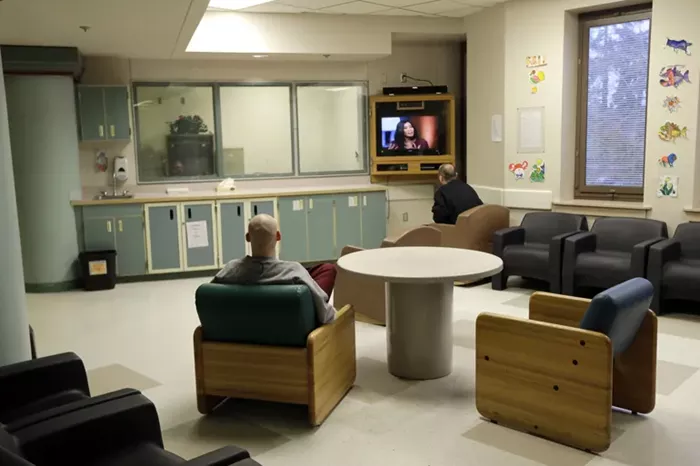
Inpatient psychiatric care is a type of mental health treatment that takes place in a hospital or a specialized facility. It is designed for people who are experiencing severe mental health symptoms and need intensive support. This care can help people feel safe, manage their symptoms, and begin the path to recovery. In this article, we will explain what inpatient psychiatric care is like, what to expect during a stay, and how it can help those with mental health disorders.
Who Needs Inpatient Psychiatric Care?
Inpatient psychiatric care is not for everyone. It is usually recommended for people who are in crisis or are at risk of hurting themselves or others. This type of care is also used when a person cannot take care of themselves because of their mental health condition.
Common reasons for inpatient psychiatric care:
- Severe depression with suicidal thoughts
- Psychosis or hallucinations
- Extreme anxiety or panic attacks
- Bipolar disorder during manic or depressive episodes
- Substance abuse along with a mental illness
- Dangerous behavior or aggression
Types of mental illnesses treated in inpatient care:
Some of the most common mental illnesses treated in inpatient settings include:
- Major Depressive Disorder
- Schizophrenia
- Bipolar Disorder
- Borderline Personality Disorder
- Obsessive-Compulsive Disorder (OCD)
- Severe Anxiety Disorders
What Happens During Inpatient Psychiatric Care?
When someone enters an inpatient psychiatric facility, the first step is usually an evaluation. A team of mental health professionals will assess the person’s condition. This may include interviews, questionnaires, and medical tests. The goal is to understand the person’s symptoms and needs.
Admission process:
- Initial interview with doctors or nurses
- Physical examination and lab tests
- Review of medical and psychiatric history
- Creation of a personalized treatment plan
Daily life inside the hospital:
Life inside a psychiatric unit may seem different at first. But it is designed to be structured, supportive, and therapeutic.
- Set schedules: Patients usually follow a daily routine. This includes wake-up time, meals, therapy sessions, activities, and bedtime.
- Therapy: Patients take part in different types of therapy. These include individual therapy, group therapy, and sometimes family therapy.
- Medication: Many people receive psychiatric medications to help manage their symptoms.
- Monitoring and safety: Staff members regularly check on patients to ensure their safety. Sometimes, restrictions are placed to prevent self-harm.
Types of Therapies Offered
Inpatient psychiatric care involves several kinds of therapy. Each type helps patients in different ways.
Individual Therapy
This is one-on-one counseling with a therapist. The therapist helps the patient explore their thoughts, feelings, and behaviors. It can help patients understand their condition and learn ways to cope.
Group Therapy
Group therapy involves talking with others who are going through similar experiences. A trained therapist leads the session. Patients can learn from each other, feel less alone, and practice communication skills.
Family Therapy
This therapy includes the patient’s family members. The goal is to improve relationships and educate the family about the mental illness.
Cognitive Behavioral Therapy (CBT)
CBT is one of the most commonly used therapies in inpatient care. It helps patients identify negative thought patterns and replace them with more positive ones.
Dialectical Behavior Therapy (DBT)
DBT is especially helpful for people with borderline personality disorder. It focuses on managing emotions and building healthy relationships.
Common Tests and Evaluations
During the stay, patients may take different tests to help with diagnosis and treatment planning.
Psychological tests:
- Beck Depression Inventory (BDI) – Measures symptoms of depression
- Generalized Anxiety Disorder Scale (GAD-7) – Screens for anxiety disorders
- Mood Disorder Questionnaire (MDQ) – Screens for bipolar disorder
- Mini-Mental State Examination (MMSE) – Tests cognitive function
Medical evaluations:
Sometimes mental symptoms may be related to physical problems. So doctors may also order blood tests, brain scans, or other medical checks.
How Long Do People Stay?
The length of stay depends on the person’s condition and needs. Some may stay for just a few days, while others may need weeks of treatment.
Factors that affect the length of stay:
- Severity of symptoms
- Response to treatment
- Availability of support at home
- Type of mental illness
What Happens After Discharge?
Leaving the hospital does not mean the treatment is over. Most patients continue treatment in outpatient settings. This could include therapy, medication, and support groups.
Aftercare plan:
Before discharge, the hospital team will create a plan for continued care. This may include:
- Follow-up appointments with a psychiatrist or therapist
- Referrals to community programs or support groups
- Instructions for taking medications
- Emergency contact information
How Inpatient Care Helps
Many people benefit from inpatient care in several ways:
- Safety: It provides a secure environment when someone is at risk.
- Stabilization: Medications and therapy help reduce symptoms.
- Diagnosis: Professionals can provide a clear and accurate diagnosis.
- Support: Staff members are available 24/7 to offer help.
- Structure: Daily routines support recovery and healing.
Concerns People May Have
It is normal to feel nervous about going to a psychiatric hospital. Some common concerns include:
Loss of freedom
Patients may have restrictions for safety. These rules are not to punish anyone, but to protect them while they are in crisis.
Stigma
There is still stigma around mental illness and hospitalization. But seeking help is a brave and healthy step toward recovery.
Confidentiality
All treatment is private. Your information will not be shared without your permission, except in emergencies.
Suggestions for Families
Family members play a big role in recovery. If your loved one is in inpatient care, you can support them by:
- Staying in contact through phone or visits (as allowed)
- Attending family therapy sessions if available
- Learning about the mental illness
- Following the aftercare plan after discharge
Tips for Patients
If you are entering inpatient care, here are a few tips to make the most of your stay:
- Be open and honest with your care team
- Take part in therapy sessions
- Follow your treatment plan
- Ask questions if you don’t understand something
- Focus on getting better, one day at a time
Conclusion
Inpatient psychiatric care can be a vital step toward healing for people with serious mental health challenges. It offers a safe, structured, and supportive environment where patients can begin to feel better. While it may seem overwhelming at first, this type of care can truly change lives. If you or someone you know needs help, do not be afraid to reach out. There is hope, and recovery is possible.
Related topics:
