
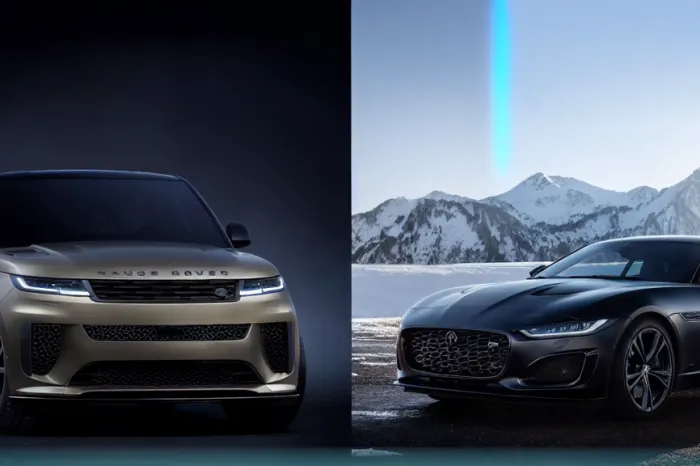
Jaguar Land Rover (JLR) is currently experiencing significant production challenges that are affecting its Range Rover models. The British automaker has paused operations at its Solihull plant for nearly two weeks due to a parts supply disruption caused by a fire at one of its suppliers in Norway. This unexpected halt comes shortly after JLR’s facilities endured a five-week shutdown last year following a cyberattack, which resulted in substantial financial losses.
The production stoppage includes a planned five-day break for the Easter holiday and impacts the manufacturing of both the Range Rover and Range Rover Sport models. JLR has acknowledged the issue as a “part supply challenge” and is actively working with the affected supplier to resolve the problem quickly, aiming to minimize the impact on customers and overall operations.
These interruptions present a difficult scenario for Jaguar Land Rover’s relatively new CEO, PB Balaji, who took over leadership last August. Under his guidance, JLR has initiated major strategic changes, including revamping the Jaguar brand and pushing forward with new electric vehicle (EV) offerings. However, recent supply chain disruptions are complicating these efforts.
In parallel, JLR’s transition toward electric vehicles faces delays linked to battery production. The UK government recently pledged £380 million to support the construction of a new battery gigafactory in Somerset, operated by Tata-owned Agratas. This factory is expected to supply batteries for electric versions of Range Rover and Jaguar vehicles once operational. Despite this funding boost, construction progress has been slower than anticipated, pushing back the planned start of battery production to late 2027.
The delay in battery availability has contributed to postponing the launch of JLR’s flagship electric Range Rover, initially slated for 2025 but now expected later. The Somerset gigafactory aims to produce enough batteries annually to power hundreds of thousands of vehicles but remains under development with only its steel frame completed so far. Until it becomes operational, JLR will continue sourcing batteries from an existing facility in Sunderland.
These production and supply chain issues highlight ongoing challenges faced by automakers globally as they navigate shifts toward electric mobility amid geopolitical tensions and fluctuating fuel prices. For JLR, maintaining steady vehicle output while advancing its EV strategy is critical to securing its market position and supporting thousands of jobs within the UK automotive sector.
Industry experts note that the combination of unforeseen supplier disruptions and delayed battery factory readiness could result in notable revenue losses and job risks if not managed carefully. Nevertheless, government support and strategic investment in advanced manufacturing remain key pillars for JLR’s long-term resilience and growth.
As JLR works through these hurdles, customers can still expect future launches of innovative electric Jaguar and Range Rover models, reflecting the company’s commitment to sustainable luxury vehicles despite current setbacks.
