
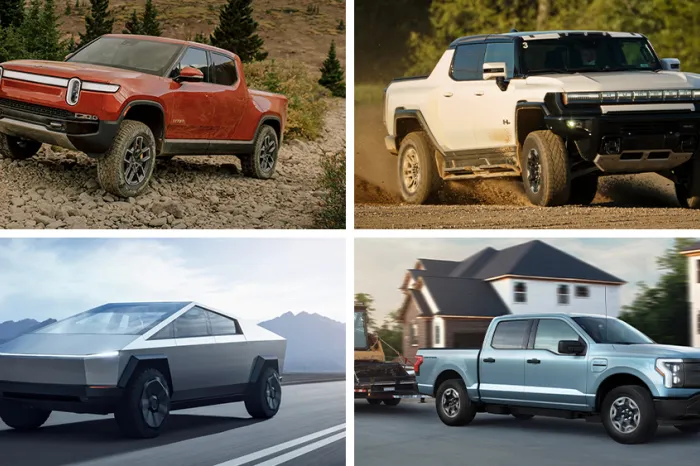
The electric vehicle (EV) market, including the growing segment of electric trucks, is experiencing significant momentum globally. However, the transition to electric mobility faces a complex mix of opportunities and obstacles that shape how quickly these vehicles become mainstream. A central factor influencing the adoption of electric trucks and other EVs is cost. Recent research highlights that reducing prices by just 20 percent could accelerate worldwide EV uptake, making electric vehicles the preferred choice in many regions after 2035. This finding shifts the focus from consumer hesitation to issues like affordability, policy support, and infrastructure development as crucial elements for growth.
Wealthier markets such as China, Europe, and the United States are leading the way in electric truck sales and broader EV adoption. These regions benefit from robust manufacturing capacity, targeted subsidies, and extensive charging networks that create favorable conditions for buyers. Early investments in infrastructure have built momentum that continues to drive demand. Conversely, lower-income regions face challenges including limited charging facilities, weaker power grids, and lower consumer purchasing power. This disparity means that while EVs are growing rapidly in some markets, others struggle to keep pace due to a lack of supportive systems.
Charging infrastructure remains a significant hurdle for electric trucks and vehicles alike. The United States alone may require between 13 million and 30 million new charging stations by 2030 to meet demand. The investment needed to build this network could reach nearly $100 billion. In Europe, regulations are pushing for fast-charging stations every 37 miles on major roads to ensure accessibility. Adequate infrastructure is essential not only for current drivers but also to encourage potential buyers by reducing range anxiety and making EVs a practical option rather than a risk.
Despite improvements, challenges persist with charging times and costs. Some users report that fast chargers still take considerably longer than refueling conventional vehicles and can be expensive compared to home charging. Additional inconveniences include heavy charging cables and exposure to weather at some stations. While technology is improving charging speeds gradually, slower EV adoption in certain markets has meant that supporting infrastructure has lagged behind demand.
Another layer of complexity lies in the environmental impact of electric trucks and vehicles. Although EVs reduce tailpipe emissions, their overall benefits depend heavily on the cleanliness of electricity generation. In regions where power grids rely on fossil fuels, shifting transportation emissions upstream can diminish climate gains. Hydrogen-powered trucks offer an alternative with zero tailpipe emissions but currently depend on hydrogen produced from fossil fuels. Scaling up green hydrogen production remains costly and technologically challenging.
The path forward requires coordinated efforts across manufacturing scale-up, price reductions, infrastructure expansion, cleaner energy sources, and supportive policies. Without alignment in these areas, the shift to electric trucks risks remaining uneven globally. However, if these factors advance together, electric trucks could play a major role in reducing transportation emissions while meeting growing freight demands sustainably.
