
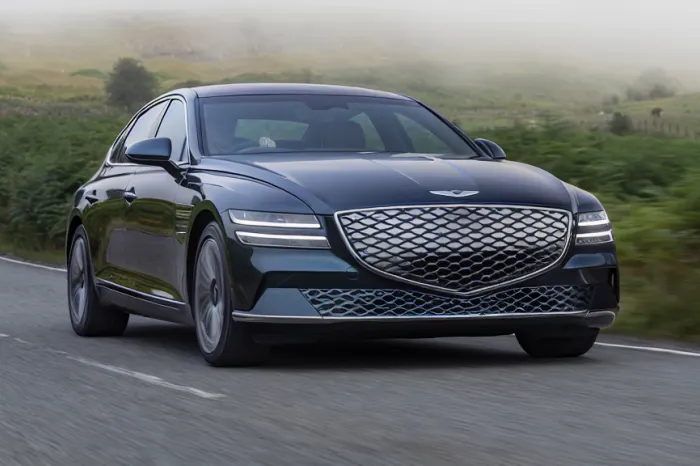
Recent findings from S&P Global Mobility reveal shifting consumer preferences within the electric vehicle (EV) market, especially among luxury EV buyers. While a majority of electric car owners continue to choose EVs when replacing their vehicles, an increasing number are opting for gasoline-powered cars over hybrids. This emerging trend reflects the complex nature of the ongoing transition between traditional combustion engines and electric drivetrains.
EV owners generally demonstrate strong loyalty to electric vehicles, yet data from the second half of 2025 indicates a slight decline in this commitment. About 10% of these consumers switched to hybrid models, but a larger segment reverted to gasoline-powered cars. This behavior may be influenced by limited availability in specific EV categories such as electric minivans or sports cars, pushing buyers to consider alternatives outside the fully electric segment.
In contrast, hybrid vehicle owners appear more willing to upgrade to fully electric vehicles than EV owners are to downgrade to hybrids. Despite this upward movement, hybrid loyalty remains weaker compared to that of pure EVs, with fewer than 45% of hybrid owners returning to traditional gasoline vehicles. These trends suggest that expanding electric and hybrid model offerings in underrepresented segments could help manufacturers retain customers and prevent them from leaving the market.
Within the luxury vehicle sector, customer loyalty has experienced a modest decline over the past year. Luxury automakers are facing increased challenges as they lose more existing customers than they gain new ones. This shift highlights the difficulty brands encounter in satisfying discerning luxury buyers whose needs may not yet be fully addressed by current EV options.
The report also sheds light on recent industry developments impacting market dynamics. Stellantis faced backlash in Canada for proposing knockdown kits—vehicles mostly assembled overseas with final assembly done locally—which Canadian authorities rejected in favor of protecting domestic supply chains and employment. Meanwhile, Honda’s electrification strategy has encountered obstacles, with leadership criticized for slow decision-making and reversals on engine development policies.
These developments underscore a rapidly evolving automotive landscape where technology and consumer expectations continue to reshape buying habits. Luxury EV customers exhibit both enthusiasm for innovation and caution due to concerns like model variety and performance capabilities. As automakers expand their electric offerings and adjust strategies, the luxury electric vehicle market remains a key area to watch for emerging trends and consumer behavior shifts.
