
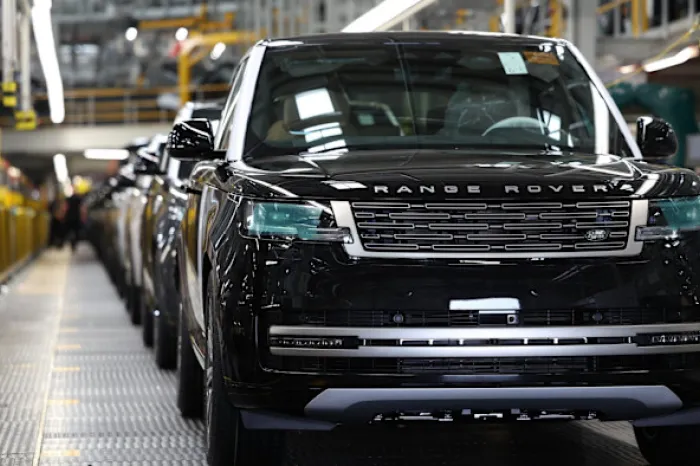
Jaguar Land Rover (JLR) has announced a temporary shutdown of its Solihull plant in the West Midlands, UK, lasting nearly two weeks due to a fire at a key supplier’s facility in Norway. This interruption affects the production of the Range Rover and Range Rover Sport models and comes shortly after an already scheduled five-day Easter shutdown. The company confirmed it is working closely with the supplier to resolve the supply chain disruption as quickly as possible to minimize impact on customers and operations.
This recent production halt adds to the challenges faced by JLR following a costly cyber attack last year, which forced a month-long shutdown of all UK plants and resulted in a £260 million loss. The cyber incident not only disrupted manufacturing but also affected around 200,000 workers within the extensive supply network. For the last quarter of 2025, JLR reported a pre-tax loss of £310 million, a sharp decline from the previous year’s profit, alongside a 39 percent drop in revenue to £4.5 billion.
Industry experts have expressed concern about the financial strain this extended pause could impose on suppliers, warning that a prolonged shutdown might threaten jobs and business continuity. Despite these worries, JLR has denied that the closure will extend beyond April 8. The company’s new CEO, PB Balaji, is currently navigating these hurdles while pushing forward with strategic plans to revitalize the brand through electric vehicle launches and redesign initiatives.
Meanwhile, Land Rover’s quality reputation has come under scrutiny in comparison to other British automotive brands. According to the latest JD Power U.S. Vehicle Dependability Study, Land Rover trails behind brands like Mini in terms of reliability and customer satisfaction. This contrast highlights ongoing challenges for Land Rover as it strives to improve product quality amid operational disruptions.
The departure of Gerry McGovern, JLR’s chief creative officer responsible for transforming Jaguar into an all-electric luxury marque, adds another layer of complexity during this period of transition. McGovern plans to start his own consultancy after leaving the company, marking a significant change in leadership just as JLR aims to expand its presence in key markets like the United States.
In addition to internal challenges, JLR must contend with external pressures such as increased tariffs imposed by the U.S., which complicate its expansion efforts. Despite these obstacles, the company remains committed to launching new electric models for both Jaguar and Land Rover brands, aiming to meet growing consumer demand for sustainable vehicles.
Overall, Land Rover’s current situation reflects broader issues in manufacturing resilience and brand perception within the competitive automotive industry. As JLR works to stabilize production and enhance vehicle dependability, its success will depend on effectively managing supply chain risks and delivering high-quality products that resonate with global customers.
