
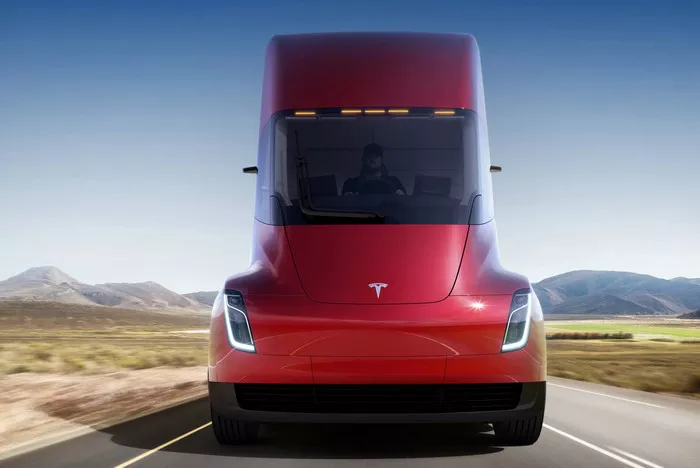
For years, long-range electric trucks seemed like a distant dream. But rapid advances in battery and charging technology are turning that vision into reality. Today, battery-electric trucks are viable for urban deliveries and short-haul routes, with China recently seeing electric and hybrid trucks outsell conventional models for the first time.
Australia, which depends heavily on road freight to move more than 250 billion tonne-kilometres of goods annually, is particularly exposed to diesel supply risks. Most trucks run on imported diesel, and rising oil prices triggered by global conflicts are driving transport costs higher, affecting food, consumer goods, and construction materials.
For fleet managers, this crisis presents an opportunity. Beyond lower running costs, electric trucks offer a chance to reduce dependence on volatile fuel markets and cut emissions.
The Diesel Dilemma
Diesel trucks dominate Australian freight due to their long range, high power, and fast refuelling. Government fuel tax credits, costing over A$10 billion annually, further support diesel use while discouraging cleaner alternatives. Yet diesel trucks are major contributors to Australia’s transport emissions, projected to become the country’s largest source. Air pollution from diesel alone costs around AU$6.2 billion annually, and heavy reliance on imports leaves the industry vulnerable to global oil market fluctuations.
Are Electric Trucks Ready?
Modern heavy-duty electric trucks can travel 400–500 kilometres on a single charge, making them suitable for many regional and long-haul routes. Some models come with battery warranties covering up to 1.5 million kilometres, and aerodynamic designs often outperform diesel counterparts.
High-speed megawatt charging can recharge large batteries in 30–60 minutes, aligning with mandated rest periods for long-haul drivers. Battery swapping is also emerging as a solution, allowing trucks to quickly switch depleted batteries for fully charged ones in minutes.
China leads the global shift to electric freight, selling over 200,000 electric trucks annually and building dedicated charging infrastructure along major logistics corridors.
Cost Considerations: More Expensive to Buy, Cheaper to Run
Electric trucks still come with a higher upfront cost. However, running costs are significantly lower. For example, a medium-duty diesel truck consumes roughly 35 litres per 100 kilometres, costing about AU$80 at current fuel prices. An equivalent electric truck consumes about 130 kilowatt-hours, costing only AU$39—a saving of nearly 50%. Over tens of thousands of kilometres, these savings quickly offset higher purchase prices, even before factoring in lower maintenance costs. Analyst David Leitch estimates that operating electric trucks on routes like Melbourne-Sydney could become financially viable within two to four years.
Barriers to Adoption
High upfront costs—1.3 to 2.4 times that of diesel trucks—are the main obstacle, driven largely by battery expenses, though prices have fallen 50% over the past five years. Heavy trucks require extremely high-power charging, necessitating significant electrical upgrades at depots and along freight corridors.
This creates a classic chicken-and-egg problem: fleet operators hesitate to invest without sufficient charging infrastructure, while investors wait for more trucks on the road. Government co-funding, incentives, and infrastructure planning are increasingly helping bridge this gap, echoing the successful rollout of electric cars.
Hydrogen Trucks: The Changing Landscape
Long-range hydrogen fuel cell trucks were once considered the future of freight. However, battery technology improvements, high hydrogen production costs, limited refuelling infrastructure, and efficiency issues have slowed adoption. Many experts now see hydrogen playing a smaller role, with direct electrification emerging as a simpler and more energy-efficient solution.
Australia’s Early Adoption
Electric trucks are gradually entering the Australian market. Urban delivery routes with predictable distances and overnight depot charging have already seen successful deployment. Several manufacturers, including Volvo, plan to introduce medium- and heavy-duty models domestically, with Brisbane set to become a production hub for heavy trucks this year. State governments and industry groups are conducting trials to test performance under Australia’s long distances, heavy loads, and high temperatures.
The Road Ahead
If key barriers—cost, charging infrastructure, and policy support—are addressed, the economic case for electric trucks becomes compelling. Reduced running costs, decreased reliance on imported fuels, improved air quality, and smoother rides for drivers all strengthen the argument for electrifying Australia’s freight sector. While diesel won’t disappear overnight, rising fuel prices underscore the urgency of the transition. Electric trucks are no longer just an experiment—they’re rapidly becoming a practical, cost-effective alternative.
