
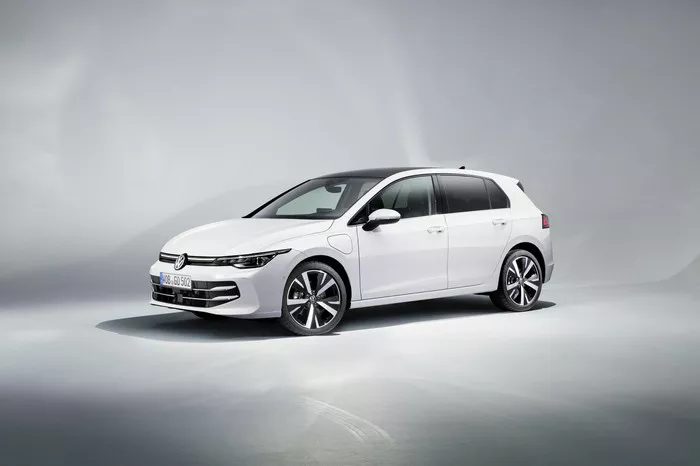
The German automotive industry is facing persistent challenges, with Volkswagen and Audi dealerships predicting that car prices are unlikely to fall in the near future. On the contrary, industry insiders expect new vehicles to become more expensive throughout 2026.
This outlook is driven not by a single factor but by a combination of long-standing structural pressures that have recently intensified, placing dealerships under significant strain.
Rising Costs Squeeze Dealerships
Dealerships are contending with multiple cost pressures, according to Alexander Sauer Wagner, president of the association representing Volkswagen and Audi partners. Higher interest rates are making vehicle financing more expensive, rising energy costs are increasing operational expenses, and labor costs continue to climb.
In addition, administrative burdens are mounting. Dealerships face more complex documentation and reporting requirements, increasing the workload without a corresponding rise in profits. Dealers are working harder, submitting more detailed reports, yet enjoying less financial flexibility than in previous years.
Volkswagen Maintains Stability Amid Market Challenges
For the Volkswagen brand, the forecast for 2026 is relatively stable. Sauer Wagner anticipates that sales volumes for Volkswagen will remain consistent, with market share hovering around 20%. This stability is attributed to strong demand for both internal combustion models and electric vehicles, signaling that Volkswagen can maintain its position in the high-volume segment despite a challenging market environment.
Buyer Caution Slows Premium Segment Growth at Audi
The picture is different for Audi, where buyer hesitation is evident in the premium segment. Consumers are carefully weighing their options, comparing offers, and evaluating costs more rigorously. Growing competition is forcing manufacturers and dealerships to reassess pricing strategies. Sauer Wagner suggests that list prices are likely to continue rising, as cost pressures leave limited room for reductions.
Leasing Costs Key to Electric Vehicle Adoption
Electromobility continues to present opportunities, though sales remain heavily influenced by external factors. Sauer Wagner emphasizes that the decisive factor for customers is often the monthly leasing cost rather than the vehicle’s sticker price.
Electric vehicles are predominantly leased today, and as soon as monthly payments align with or fall below those of comparable internal combustion models, the vehicles become easier to sell. By this logic, monthly leasing rates for electric and conventional vehicles could converge by the end of the year.
Battery Costs, Production Efficiency, and Policy Uncertainty
Market trends already hint at this possibility. Falling battery prices, more efficient production methods, and targeted subsidies are helping make the total cost of electric vehicles more predictable. This allows dealerships to market cars based on operating costs rather than upfront prices.
However, policy uncertainty remains a critical factor. Unclear political signals are contributing to delays in consumer decision-making. Sauer Wagner expressed mixed feelings about recent relaxations of European regulations regarding the phase-out of internal combustion engines. While he expects electric vehicles to dominate in the long term, inconsistent policies risk postponing purchases and adding uncertainty for dealers already struggling with limited planning security.
