
A review of U.S. auto sales data conducted by Reuters suggests a widening divide in the car market as automakers increasingly prioritize higher-priced vehicles. While wealthier buyers continue to purchase new models, many middle- and lower-income consumers are being pushed toward the used-car market due to rising vehicle prices.
The average selling price of a new vehicle in the United States has climbed steadily over the past several decades and now stands at roughly $47,000. According to data from the U.S. Census Bureau, that figure represents about half of the country’s median household income, highlighting the growing affordability challenge facing many buyers.
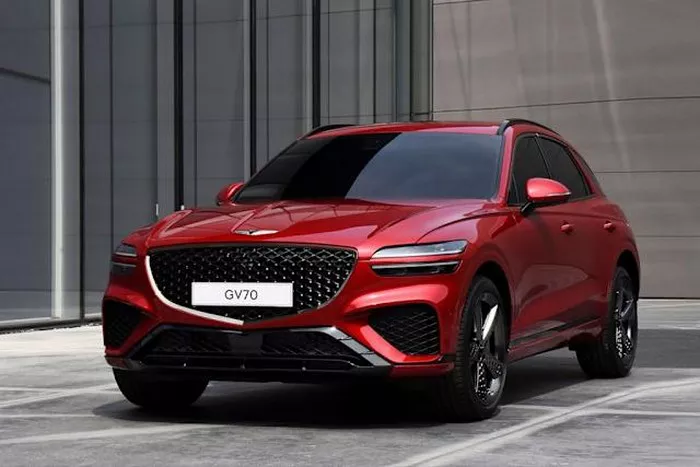
Automakers have largely shifted their focus toward more profitable segments such as trucks and sport utility vehicles. This strategy has proven particularly beneficial for major Detroit manufacturers including Ford, General Motors, and Stellantis, the parent company of brands such as Chrysler, Dodge, and Jeep.
Profit margins on lower-cost vehicles are relatively thin, prompting many manufacturers to phase out entry-level models. In contrast, larger vehicles like trucks and SUVs often deliver profit margins approaching 20 percent, making them far more attractive from a business standpoint.
Although automakers still offer budget-friendly options, the number of vehicles priced below roughly $30,000 has declined. In 2010, buyers could choose from about 25 models in that price range. Today, the number has fallen to around 20. Meanwhile, the number of vehicles priced above $40,000 has expanded significantly, rising from 96 models to 156 over the same period.
The shift toward higher-priced vehicles is also reflected in buyer demographics. According to S&P Global data cited by Reuters, households earning $100,000 or less accounted for between 50 percent and 60 percent of new-vehicle purchases for several years leading up to 2020. By last year, however, those households represented just 36 percent of new vehicle sales.
This gap could create an opportunity for new entrants targeting the underserved sub-$40,000 market. Some analysts suggest value-oriented Chinese automakers, often supported by government subsidies, could potentially fill that space. However, they would face significant regulatory barriers and longstanding protectionist policies that make entry into the U.S. market difficult.
For now, established automakers appear relatively insulated from low-cost competition. Still, if a more affordable model from an existing brand were to gain traction—especially as broader economic pressures increase—manufacturers could shift strategies once again, potentially triggering a renewed race to deliver high-volume, lower-priced vehicles.
Until such a shift occurs, industry trends indicate that automakers will continue to focus on producing higher-end vehicles where demand, and profit margins, remain strongest.
