
The prostate is a small, walnut-sized gland located below the bladder and in front of the rectum. It is a key part of the male reproductive system, producing a fluid that forms part of semen and helping to propel it through the urethra. As men age, the prostate naturally enlarges, and some men develop benign growths that may interfere with urination.
Prostate cancer develops when malignant cells form tumors in the prostate. After non-melanoma skin cancers, it is the most common cancer among men. According to the Centers for Disease Control and Prevention (CDC), in 2022, 255,395 men were diagnosed with prostate cancer, and 33,881 died from the disease.
The majority of cases are detected early. Approximately 75% of men are diagnosed with localized prostate cancer, meaning it has not spread beyond the prostate. In these cases, ongoing monitoring with regular testing and imaging is often recommended. More advanced cancers may require treatments such as surgery, radiation, or hormone-suppressing therapies.
How Common Is Prostate Cancer?
Prostate cancer is frequently diagnosed, which contributes to its high ranking among male cancers. “We are looking for prostate cancer, and so you are going to find more prostate cancer,” explains Dr. Ruben Raychaudhuri, medical oncologist at Fred Hutchinson Cancer Center and assistant professor at the University of Washington School of Medicine.
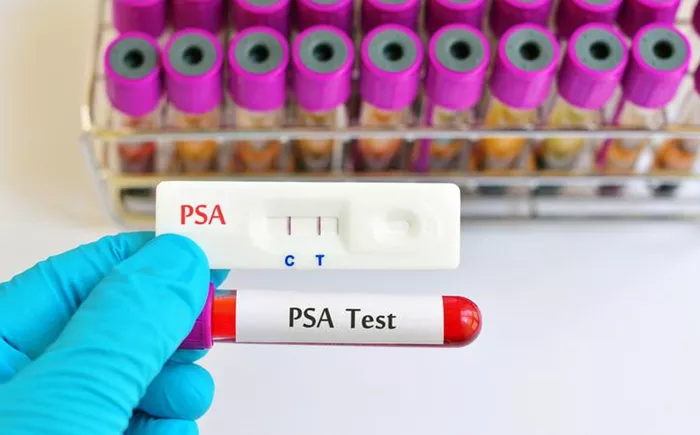
A common method for detecting prostate cancer is the prostate-specific antigen (PSA) test, which measures PSA levels in the blood. Elevated PSA levels can indicate cancer, but not all elevated results are cause for alarm. “Not all prostate cancers need to be treated,” says Raychaudhuri. “Just because you find something that looks like cancer doesn’t mean it’s going to be a problem.”
To Screen or Not to Screen
Prostate cancer is typically slow-growing. In many cases, it may never cause symptoms or threaten a man’s life. Oncologists use PSA levels in conjunction with tumor size, location, and cell behavior to determine whether treatment is necessary.
In many cases, long-term surveillance is preferred over immediate interventions. Treatments such as surgery can result in long-term complications, including incontinence and erectile dysfunction, while radiation may damage the bladder or rectum. “There is so much effort into figuring out which patients really need treatment and which we can safely monitor,” Raychaudhuri explains.
Because treatment is not required for all prostate cancers, opinions on PSA screening remain divided. Supporters argue that early detection saves lives, while opponents caution that it can cause unnecessary stress and complications for men whose cancers are unlikely to progress. “PSA can lead to increased anxiety and treatment complications while reducing prostate cancer-related mortality,” Raychaudhuri notes.
Making Informed Decisions
The decision to undergo PSA testing should be individualized, taking into account age, family history, and overall health. Men are encouraged to discuss potential benefits and risks with their healthcare providers to make informed choices about screening.
While public awareness campaigns for prostate cancer are not as widespread as those for breast cancer, understanding the risks, symptoms, and testing options is crucial. Knowledge and timely medical consultation remain the most effective strategies for managing prostate health.
Related topics
