
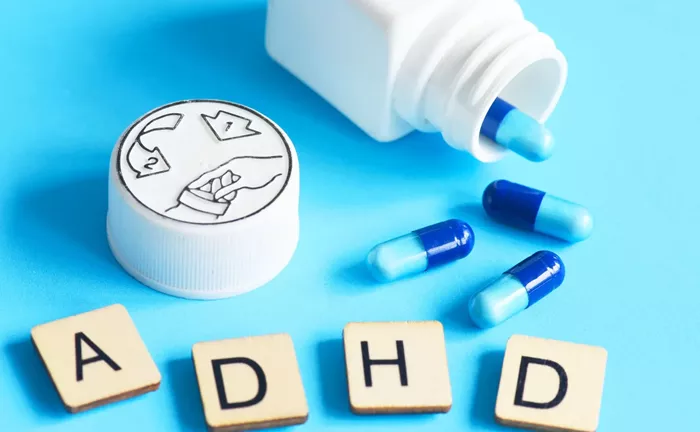
New research from the University of Sydney shows that poisoning cases linked to ADHD medications in Australia have quadrupled over the past decade. In 2023, Australians reported more than 3,000 poisonings related to ADHD medicines, up from 795 cases in 2014.
The study, which analyzed nationwide data from the NSW Poisons Information Centre (NSWPIC), found that about 17,000 self-reported exposure cases occurred during the study period, with more than half requiring hospital admission and over 9,000 involving children under the age of 15.
Increase in ADHD Diagnoses Partially Explains Trend
Between 2013 and 2020, the number of Australians diagnosed with ADHD more than doubled. Researchers note that the rise in ADHD diagnoses likely contributed to the higher rate of poisonings; however, poisonings involving clonidine appear disproportionately high relative to the overall number of prescriptions issued. Clonidine, originally developed to treat hypertension, is often prescribed in quarter- or half-tablet doses, a practice that researchers say increases the risk of dosing errors.
Expert Perspective on Risks and Misuse
Amy Thomson, a PhD candidate in the School of Pharmacy and lead author of the study published in the Australian and New Zealand Journal of Psychiatry, emphasized the serious risk posed by ADHD medications when misused or misdosed. “While medications are an effective way of managing ADHD, these drugs can pose a serious risk if accidentally or intentionally misused,” Thomson said. She noted that clonidine poisonings are rising faster than diagnosed cases, underscoring a disconnect between diagnosis rates and poisoning incidents.
The Threat of Even Small Dosing Errors
Thomson highlighted the potential harm of seemingly small dosing mistakes: “Just one double dose of clonidine can put a child in hospital, and with side-effects this serious, it’s vital that families and healthcare professionals are aware of the dangers and provide guidance.” This warning comes amid broader discussion about safe medication practices for children with ADHD.
Medications Commonly Implicated in Poisonings
The NSWPIC data show six medications are commonly used to treat ADHD: clonidine, atomoxetine, dexamphetamine, guanfacine, lisdexamfetamine, and methylphenidate (Ritalin). In terms of poisonings, clonidine and methylphenidate (Ritalin) were the two most frequently implicated drugs, each accounting for about 35 percent of reports and corresponding to the highest numbers of hospital presentations.
Age Distribution of Exposures
Children and adolescents are at the greatest risk of adverse exposures to ADHD medications. The study found that 72 percent of accidental poisonings occurred in individuals under 15 years old. This age distribution highlights the need for heightened safeguards in homes and clearer guidance for caregivers.
Contributing Factors to Poisonings
Thomson identified several contributing factors to dosing errors and exposure. One major issue is the administration of quarter- or half-tablet doses, which can be challenging to measure precisely. Miscommunication within families also plays a role, particularly when both parents administer doses without awareness that the other has already given medication. Additionally, children’s natural curiosity can lead to accidental ingestion of siblings’ medications, underscoring the importance of secure storage.
Extent and Limitations of the Data
The study notes that most poisonings (about 60 percent) were accidental, while roughly 38.5 percent resulted from deliberate misuse. A critical caveat is that NSWPIC data are self-reported, suggesting the true scale of the problem may be larger than captured. Researchers urge continued vigilance and better education for patients, families, and clinicians.
Conclusion
This study adds to a growing body of evidence about the safety challenges surrounding ADHD medications, particularly when dosing can be complex or confusing within family settings. While pharmacotherapy remains a cornerstone of ADHD management, the findings underscore the need for targeted education, safer packaging and dosing practices, and proactive counseling to reduce preventable poisonings. Ongoing monitoring and research will be essential to understand evolving trends and to inform interventions that protect children and improve outcomes for individuals with ADHD.
Related topics
