
Prostate cancer ranks among the most common cancers affecting American men, yet it often progresses silently. Many men remain unaware of the disease until it reaches an advanced stage.
“Prostate cancer typically doesn’t cause symptoms until it’s already advanced,” explains Dr. Andrew Chang, a urologist at the Hartford HealthCare Tallwood Urology & Kidney Institute. “That’s why screening can make such a difference.”
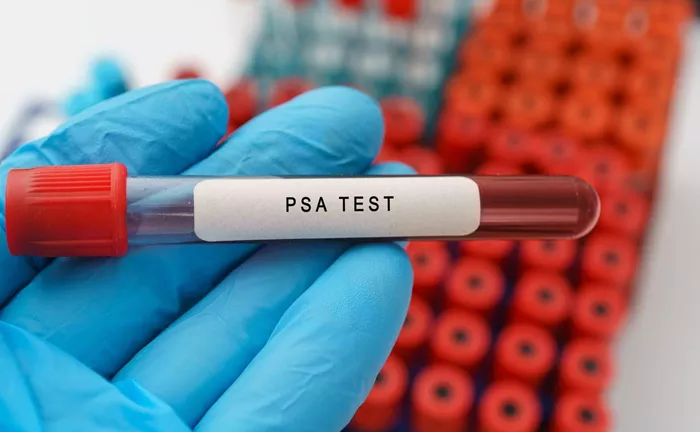
One of the primary tools for early detection is the PSA test, a simple blood test measuring prostate-specific antigen (PSA), a protein produced by the prostate.
“An elevated PSA doesn’t automatically mean cancer,” Dr. Chang notes. “But it signals that we should investigate further.”
Understanding the PSA Test
The PSA test is widely used because of its ability to identify prostate cancer before symptoms appear. Despite its simplicity, results must be interpreted carefully. PSA levels can increase for reasons unrelated to cancer, such as benign prostatic hyperplasia, infections, recent sexual activity, or even cycling.
“A high PSA can cause a lot of worry and lead to more testing,” says Dr. Chang. “However, most elevated results are not caused by cancer.”
While not perfect, PSA testing remains the most effective early detection method. “There’s a risk of false positives and overdiagnosis, particularly for low-risk, non-aggressive cancers,” Dr. Chang adds. “Nevertheless, early detection allows us to intervene for aggressive cancers, offering the chance for treatment and cure before the disease progresses.”
Who Should Consider PSA Screening?
Whether a man should undergo PSA testing depends on multiple factors, including age, personal risk, and individual preferences. Dr. Chang emphasizes that the decision is highly personalized.
High-Risk Younger Men (Ages 40–45)
Men with a family history of prostate cancer, Black men, or those carrying BRCA1 or BRCA2 gene mutations may benefit from earlier screening. “We typically recommend starting between ages 40 and 45 for these higher-risk individuals,” Dr. Chang says.
Average-Risk Men (Ages 50–69)
For most men, screening decisions are more individualized. “This is where shared decision-making is crucial,” Dr. Chang explains. “Discuss the pros and cons with your doctor to determine what’s right for you.”
Older Adults (Over 70)
Routine PSA screening is generally not advised for men over 70, as the potential benefits diminish with age. “However, some men up to age 75 may still benefit from testing, depending on overall health and personal preferences,” Dr. Chang notes.
Balancing Risks and Benefits
PSA testing offers the possibility of early detection, but it also carries potential drawbacks. False positives may lead to anxiety and unnecessary procedures, and some detected cancers are so slow-growing that they might never cause harm.
“Screening is not one-size-fits-all,” Dr. Chang emphasizes. “It’s a conversation between you and your healthcare provider, weighing your personal risk factors and what matters most to you.”
Ultimately, PSA testing remains a cornerstone in the fight against prostate cancer. When used thoughtfully and in the appropriate population, it provides an opportunity to identify aggressive disease early, improve outcomes, and save lives.
Related topics
