
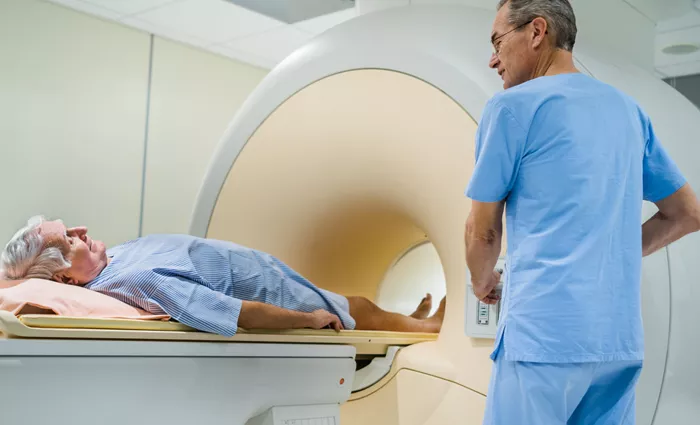
The NHS has initiated a pioneering trial that could reduce prostate cancer diagnosis times from several weeks to just a single day. The initiative employs artificial intelligence to analyze MRI scans, offering the potential to transform care for men affected by the most commonly diagnosed cancer in England.
Up to 15 NHS hospitals, including Leeds Teaching Hospitals NHS Trust, will participate in the trial, collectively processing around 10,000 MRI scans. If successful, the technology could be rolled out across the country. However, questions remain regarding its accuracy, costs, and whether faster diagnosis will always lead to better outcomes.
The trial reflects the NHS’s ongoing efforts to address both the emotional strain of prolonged uncertainty and the practical challenge of late prostate cancer diagnoses. For many men, the period between initial suspicion and confirmed diagnosis is filled with anxiety, while the disease may continue to progress.
Current Diagnostic Challenges
At present, men suspected of having prostate cancer face a lengthy and complex process. After a GP referral, they must wait for an MRI scan, which is then reviewed by a radiologist. A follow-up biopsy may be required. A national shortage of radiologists has created significant bottlenecks, with some patients waiting over a month for results.
The AI system aims to dramatically shorten this timeline. Once an MRI scan is completed, the software analyzes the images within minutes. Drawing on extensive research, it identifies abnormal regions and generates a probability score, pinpointing areas of concern in the prostate.
High-risk scans are immediately flagged for human review, enabling same-day biopsies. Lower-risk scans may allow men to receive prompt reassurance, potentially reducing weeks of stressful waiting.
The Case for Speed
Prostate cancer affects approximately one in eight men in England during their lifetime, making it the country’s most commonly diagnosed male cancer. Many men are still diagnosed at advanced stages, complicating treatment and reducing survival chances.
Faster diagnosis could save lives, particularly for aggressive cancers requiring urgent intervention. However, some slow-growing cancers may never cause symptoms, and early detection can sometimes lead to unnecessary treatment and associated side effects. The challenge lies in distinguishing high-risk cases from those suitable for monitoring.
AI could also address geographic disparities in care. By providing specialist-level analysis regardless of hospital resources, every patient could receive consistent diagnostic standards, improving equity in outcomes.
AI as a Clinical Partner
The AI tool is designed to complement, not replace, human clinicians. Acting as a “second reader,” it helps ensure no abnormalities are overlooked while allowing radiologists to focus on complex cases. Human judgment remains essential, particularly when interpreting results in the context of each patient’s medical history and symptoms.
This collaborative approach aims to deliver faster, more reliable diagnoses, sparing men unnecessary biopsies while quickly identifying those who need urgent care. Growing confidence in AI diagnostics may also encourage more men to participate in screening programs, potentially improving early detection rates.
The success of this NHS pilot—both in reducing diagnosis times and improving clinical outcomes—will be closely monitored over the coming months and could influence similar initiatives in other healthcare systems.
Related topics
