
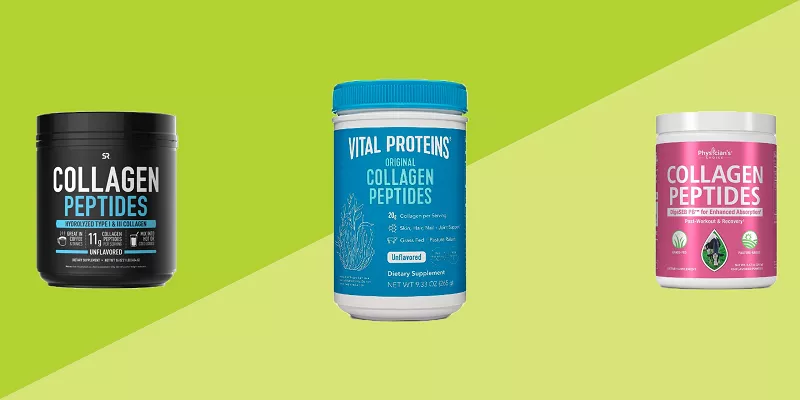
Collagen represents the most abundant protein in the human body serving as a fundamental structural component in various tissues and biological systems. This essential protein provides strength and elasticity to skin bones tendons ligaments and blood vessels while supporting gut health and nail integrity through its unique structural properties. The body naturally produces collagen through a complex biological process that requires specific nutrients including vitamin C zinc and copper which act as essential cofactors in the synthesis pathway.
However collagen production naturally declines with age typically decreasing about one to two percent annually after reaching maturity in early adulthood. This reduction contributes to visible signs of aging such as wrinkles joint stiffness and decreased skin elasticity while environmental factors including sun exposure smoking and poor nutrition can accelerate this natural decline significantly.
Exploring Vegan Alternatives and Innovative Approaches to Collagen Supplementation
Traditional collagen supplements typically derive from animal sources such as bovine porcine or marine origins through bone broth extraction processes that may not align with vegan principles. Vegan collagen alternatives employ innovative approaches including genetically modified yeast and bacteria programmed to produce human identical collagen proteins through advanced biotechnology methods.
Other plant based options focus on supporting the body’s natural collagen production through nutrient rich formulations rather than providing direct collagen sources from animal products. While research on vegan collagen efficacy remains limited preliminary studies suggest potential benefits for skin hydration and elasticity when combined with proper nutrition and lifestyle factors that support overall skin health and collagen maintenance over time.
Implementing Plant Based Nutritional Strategies for Optimal Collagen Support
A well planned plant based diet can effectively support the body’s natural collagen production through specific nutrient combinations and dietary patterns. Vitamin C rich foods like citrus fruits bell peppers and broccoli serve as essential cofactors for collagen synthesis and help maintain existing collagen structures throughout the body.
Zinc sources including legumes nuts and whole grains contribute to collagen formation and tissue repair processes that are crucial for maintaining skin integrity and wound healing capabilities. Copper containing foods such as seeds and whole grains further support this process by activating enzymes involved in collagen cross linking and maturation. Additionally plant based proteins provide amino acid building blocks necessary for collagen production when consumed in adequate quantities and combinations to ensure complete amino acid profiles.
Evaluating Comprehensive Sun Protection and Lifestyle Factors in Collagen Maintenance
Comprehensive collagen preservation extends beyond supplementation to include protective lifestyle measures that minimize environmental damage and support natural production mechanisms. Daily broad spectrum sunscreen with SPF thirty or higher containing zinc oxide or titanium dioxide provides crucial protection against UV induced collagen degradation that accounts for significant skin aging.
Adequate hydration maintains skin elasticity and supports nutrient transport to collagen producing cells throughout the dermal layers ensuring optimal functioning of biological processes. Avoiding excessive sun exposure wearing protective clothing and seeking shade during peak sunlight hours further reduce collagen breakdown caused by ultraviolet radiation and environmental stressors. Stress management techniques and quality sleep contribute to overall collagen health by reducing inflammation and supporting cellular repair processes that occur during rest periods.
Selecting Quality Vegan Collagen Products Through Informed Decision Making Processes
When considering vegan collagen products consumers should prioritize companies with transparent manufacturing practices and third party testing verification to ensure product quality and safety. Reputable manufacturers provide detailed information about active ingredients sourcing and production methods that allow consumers to make informed choices about their supplement selections.
Scientific skepticism remains appropriate for products making exaggerated claims about rapid results or miraculous benefits that exceed established biological mechanisms and research findings. Recommended dosage adherence is crucial as excessive supplementation may cause digestive discomfort or nutrient imbalances that could negatively impact overall health and wellbeing. Healthcare provider consultation ensures appropriate product selection based on individual health needs and potential interactions with existing medications or underlying health conditions.
Understanding Regulatory Frameworks and Important Safety Considerations for Supplements
The dietary supplement industry operates under different regulations than pharmaceutical products requiring consumer vigilance and careful evaluation of product claims and ingredients. The FDA mandates good manufacturing practices but doesn’t pre approve supplements before market entry which places responsibility on manufacturers for product safety and accurate labeling.
Vegan collagen products may contain novel ingredients that lack long term safety data requiring cautious approach and monitoring of individual responses during use. Potential allergic reactions to bacterial or yeast derived components represent possible concerns though generally rare when products are manufactured under proper quality control conditions. Consumers should monitor for adverse effects and discontinue use if unexpected symptoms occur while healthcare providers can help assess product safety based on individual health profiles and medical history considerations.
Related topics
