
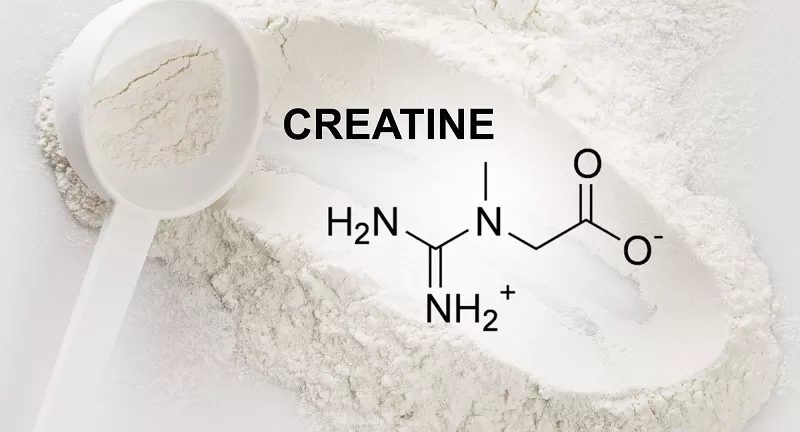
Creatine represents a naturally occurring nitrogenous compound synthesized from amino acids, primarily stored in skeletal muscle tissue and the brain where it plays critical roles in energy metabolism. This substance exists predominantly as phosphocreatine, serving as a rapid energy reservoir for adenosine triphosphate (ATP) regeneration during high-intensity activities that require immediate energy bursts.
The human body produces approximately one to two grams daily through hepatic and renal synthesis from precursor amino acids, while dietary sources including meat, fish, and animal products provide additional quantities to maintain adequate tissue levels. Beyond its well-known ergogenic applications, creatine participates in various physiological processes including cellular energy homeostasis, neurological function, and potentially cognitive performance through multiple biochemical pathways.
Evaluating Performance Enhancement and Athletic Applications
Research demonstrates that creatine supplementation effectively enhances short-duration, high-intensity exercise performance through multiple complementary mechanisms that support energy production and recovery. Increased intramuscular phosphocreatine stores accelerate ATP resynthesis during maximal efforts like weightlifting and sprinting
allowing for greater work output and faster recovery between bouts of intense activity. Cellular hydration increases due to osmotic effects, potentially promoting anabolic signaling and protein synthesis that supports muscle growth and adaptation to training.
Strength athletes and sprinters typically experience five to fifteen percent performance improvements with proper supplementation protocols, though endurance athletes show more variable results depending on the specific demands of their sport and individual physiological characteristics. Individual response variability depends on factors including baseline creatine levels, muscle fiber composition, training status, and genetic factors that influence creatine transport and storage capacity.
Examining Potential Therapeutic Applications Beyond Sports Performance
Emerging evidence suggests therapeutic potential for various medical conditions beyond the athletic performance enhancement for which creatine is primarily known. Neurological applications show promise for conditions like Parkinson’s disease and depression, though clinical outcomes remain inconsistent across studies and require further investigation to establish efficacy and optimal dosing protocols.
Muscular dystrophy research indicates strength improvements and functional benefits in some patient populations, while congestive heart failure studies demonstrate mixed results regarding exercise tolerance and quality of life measures. Cognitive benefits appear most pronounced during sleep deprivation or metabolic stress scenarios where energy demands challenge normal brain function
suggesting potential applications for shift workers or individuals under extreme physiological stress. Ongoing investigations explore applications for age-related sarcopenia and certain metabolic disorders where cellular energy compromise may contribute to disease progression or symptom severity.
Analyzing Safety Profile and Practical Dosage Considerations
Creatine monohydrate demonstrates excellent safety profiles in healthy populations at recommended dosages, with extensive research supporting its use over both short and long-term periods.
Common protocols involve loading phases of twenty grams daily for five to seven days to rapidly saturate muscle stores, followed by maintenance doses of three to five grams daily to sustain elevated levels, though lower consistent dosing achieves similar saturation over extended periods without gastrointestinal discomfort.
Hydration remains crucial during supplementation, with recommendations of two to three liters daily to optimize cellular uptake and minimize potential side effects like cramping or digestive issues that may occur with inadequate fluid intake. Individual tolerance varies, with some people preferring lower doses or extended loading periods to avoid transient side effects while still achieving beneficial tissue concentrations over time.
Identifying Appropriate User Populations and Important Contraindications
While generally safe for healthy adults, specific populations require special consideration and medical guidance before beginning creatine supplementation due to potential risks or limited safety data. Individuals with pre-existing renal impairment should avoid supplementation due to theoretical nephrotic stress from increased creatinine production, despite absence of evidence demonstrating causation in healthy subjects with normal kidney function.
Pediatric use remains understudied, though emerging evidence suggests potential benefits for certain clinical conditions like muscular dystrophies under strict medical supervision and appropriate dosing based on body weight and clinical status. Pregnant or breastfeeding women should avoid supplementation due to limited safety data regarding fetal development and infant exposure, erring on the side of caution until more research becomes available for these populations.
Comparing Supplemental Forms and Evaluating Efficacy Evidence
Creatine monohydrate remains the most extensively researched and cost-effective form, with superior evidence supporting its efficacy compared to newer formulations like creatine ethyl ester or hydrochloride that claim improved absorption or reduced side effects.
Micronized versions offer improved solubility while maintaining identical biochemical properties and efficacy, providing a practical alternative for those who experience mixing difficulties with standard monohydrate powders. Consumers should prioritize products with third-party verification from organizations like NSF International or USP to ensure purity and accurate labeling, particularly important in the supplement industry where quality varies significantly between manufacturers.
Despite marketing claims, no other form has demonstrated consistent superiority to monohydrate in well-controlled studies, making it the reference standard for efficacy, safety, and value in creatine supplementation.
Implementing Practical Supplementation Strategies for Optimal Results
Optimal timing appears less critical than consistent daily intake for maintaining elevated muscle creatine stores, though post-exercise administration may slightly enhance muscle uptake when combined with carbohydrates that stimulate insulin release.
Combining creatine with carbohydrates may increase muscular retention through insulin-mediated transport mechanisms, potentially improving loading efficiency and cellular saturation during initial supplementation periods. Current evidence supports cycling periods of eight to twelve weeks followed by equal duration breaks, though continuous low-dose supplementation appears equally effective and well-tolerated for long-term usage in most healthy individuals.
Individual response varies based on factors like muscle fiber type, training status, and dietary habits, suggesting personalized approaches may yield better results than standardized protocols for some users seeking to optimize benefits while minimizing potential side effects or unnecessary supplementation.
Related topics
