
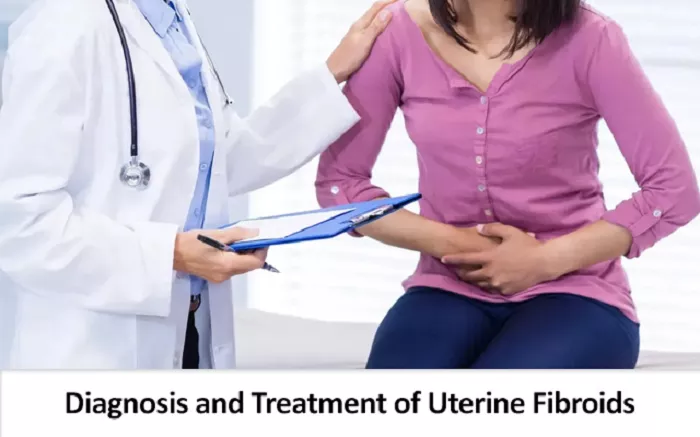
Learning you have uterine fibroids can be concerning but understanding your options is the first step toward managing your health Many women have fibroids that cause no symptoms and may not require immediate treatment The decision to treat depends on the severity of your symptoms your overall health and your future pregnancy plans
When is Treatment Necessary
Not all fibroids need intervention If your fibroids are not causing heavy bleeding significant pain or pressure on your bladder or bowel your doctor may recommend a approach known as watchful waiting This involves regular monitoring through pelvic exams and ultrasounds to track any changes
Medications for Symptom Relief
For women experiencing symptoms several medications can provide relief
Pain relievers like ibuprofen or naproxen can help manage cramping and discomfort
Hormonal birth control including pills or hormonal intrauterine devices IUDs can help control heavy menstrual bleeding
Gonadotropin releasing hormone agonists are prescription medications that can temporarily shrink fibroids by lowering estrogen levels they are often used before surgery or for short term symptom management
Tranexamic acid is a non hormonal medication taken during your period to reduce heavy bleeding by helping blood to clot
Procedures and Surgical Options
When medications are not enough several procedures can effectively treat fibroids
Uterine fibroid embolization is a minimally invasive procedure where a doctor blocks the blood flow to the fibroids causing them to shrink
Myomectomy is a surgery to remove fibroids while preserving the uterus it is a common choice for women who wish to become pregnant in the future
Endometrial ablation is a procedure that destroys the lining of the uterus to reduce heavy bleeding it is not suitable for women who want future pregnancies
Hysterectomy the surgical removal of the uterus is the only permanent solution for fibroids it is typically considered for severe symptoms or when other treatments have not been effective
Working With Your Doctor
The best course of action is a personal decision you will make with your healthcare provider Be sure to discuss your symptoms your concerns about fertility and your long term health goals With the right information and a clear treatment plan most women with fibroids can effectively manage their condition and maintain a good quality of life
Related topics:
