
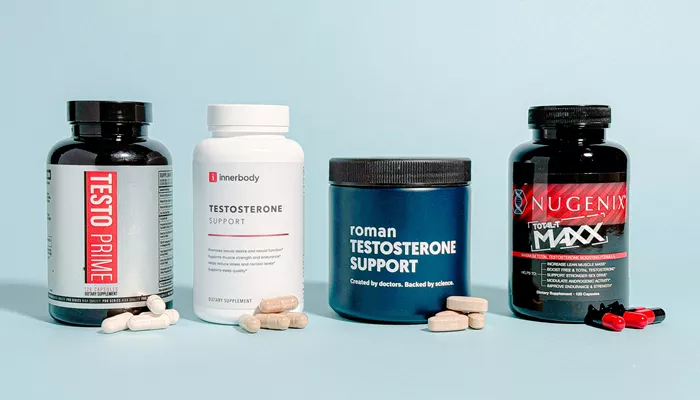
Testosterone replacement therapy (TRT) has grown increasingly popular in recent years, both in medically supervised settings and among gym-goers seeking performance enhancement—despite being a prescription-only treatment in the UK. Both NHS and private clinics require thorough doctor assessments and blood tests before prescribing TRT, and experts widely agree it should remain a last-resort medical intervention.
Estimates suggest over one million men in the UK have low testosterone, with studies indicating that 30–40% of men may experience it at some point. Symptoms can include fatigue, mood swings, decreased muscle mass and strength, erectile dysfunction, and low libido—all of which can significantly affect quality of life.
Excess body fat is a key factor in lowering testosterone and can lead to metabolic hypogonadism, a condition impairing gonadal function, including sperm production and sex hormone balance. While TRT might seem the obvious solution, new research suggests that reducing body fat may offer equally, if not more, effective results.
A study published in the Journal of Reproductive Biology and Endocrinology examined overweight and obese middle-aged men with metabolic hypogonadism. Participants followed a low-calorie diet and 20 minutes of brisk daily walking but were divided into three groups: one adhered to diet and exercise alone, another added a weight-loss drug, and the third received transdermal TRT.
After two months, all groups showed improvements in fat loss and testosterone levels. While the diet-and-exercise group saw modest gains and the TRT group achieved higher testosterone and muscle mass increases, the fat-loss-focused group experienced the most comprehensive metabolic and hormonal benefits.
This included greater reductions in weight, waist circumference, BMI, and fat mass, alongside the largest increases in lean mass and the strongest improvements in erectile function. Researchers attribute these results to the natural testosterone boost provided by fat reduction.
Fat loss enhances testosterone because lower fat tissue decreases aromatase activity—the enzyme that converts testosterone into estrogen—thereby restoring hormonal balance and improving metabolic and sexual health. In contrast, some testosterone administered via TRT may convert to estrogen, potentially limiting its full metabolic and sexual benefits.
The findings highlight the potent impact lifestyle changes can have on testosterone levels. While TRT remains a valid treatment for some men, this study underscores the importance of weight management as a natural and effective testosterone booster. Researchers note that larger, long-term studies are needed to confirm these results, but the evidence is promising amid growing concerns over low testosterone among men.
YOU MAY ALSO LIKE
Prostate cancer study: Testosterone suppression predicts survival
Prostate Health: Foods That May Lower Cancer Risk
PSA Test Key to Smarter Prostate Cancer Screening, Experts Say
