
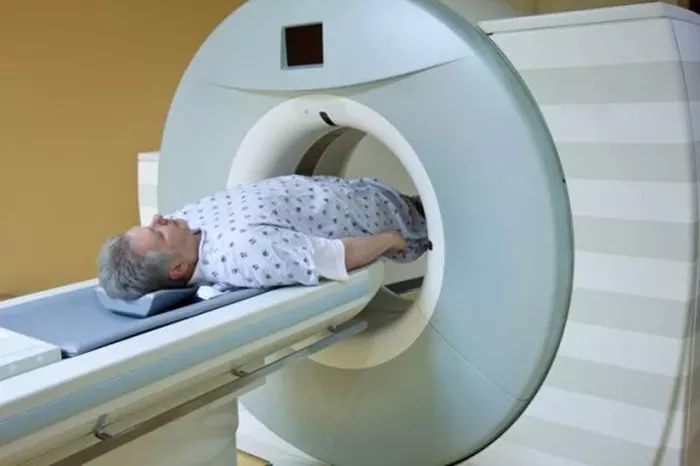
A recent European study has found that prostate cancer screening could prevent up to 1,500 deaths annually in the UK. This major research, published in the New England Journal of Medicine, highlights the impact that screening could have on reducing prostate cancer mortality rates, calling for the introduction of a more targeted approach to screening, particularly for high-risk individuals. The findings have sparked renewed debate on whether the UK should implement a routine prostate cancer screening program.
The Research Study: A Landmark European Trial
The study, known as the European Study of Prostate Cancer Screening (ERSPC), is one of the largest trials of its kind and provides compelling evidence that regular screening could save lives. The trial spanned 23 years and involved data from 162,000 men across eight European countries. Of these, 72,000 men were invited to participate in screening, typically every four years.
Researchers found that screening with the prostate-specific antigen (PSA) test reduced prostate cancer mortality by 13%. This suggests that for every 12 men diagnosed, one prostate cancer death could be prevented. More specifically, for every 456 men invited to undergo screening, one death from prostate cancer could be avoided.
The Need for Targeted Screening
While the study’s findings underscore the potential benefits of prostate cancer screening, experts emphasize the importance of a targeted strategy. The benefits of early detection are most significant for high-risk groups, including black men and those with a family history of prostate cancer. Therefore, researchers suggest that the focus should be on offering PSA tests first to these individuals.
A broad, population-wide screening program could lead to unnecessary diagnoses and treatments, such as biopsies, which may cause more harm than good for some men. To mitigate this, researchers advocate for a refined approach where high-risk groups are prioritized for screening, reducing the risk of overdiagnosis and unnecessary medical interventions.
Screening’s Harm-to-Benefit Profile
The study also addressed the potential harms of prostate cancer screening. These include the risk of overdiagnosis, false positives, unnecessary biopsies, and overtreatment. Despite these concerns, the research concluded that the benefits of screening, particularly in terms of lives saved, outweigh these risks.
Independent experts acknowledged that the harms of PSA testing may have been overestimated in the study, given the rapid advances in prostate cancer diagnostics. More men today are offered MRI scans as a first-line test, which can help avoid unnecessary biopsies. Additionally, surveillance techniques for low-risk disease have become more common, further reducing the need for invasive treatments.
Advances in Diagnostic Techniques
The landscape of prostate cancer diagnosis has changed significantly since the ERSPC trial began. New diagnostic tools, particularly MRI scans, have improved the accuracy of prostate cancer diagnosis. As a result, fewer men are undergoing unnecessary biopsies, which reduces the risks associated with screening. Moreover, there has been a shift towards more conservative management of low-risk prostate cancer, including active surveillance, instead of immediate treatment.
David James, Director of Patient Projects and Influencing at Prostate Cancer Research, commented: “This landmark study confirms that PSA screening saves lives. Today, with advancements in MRI and targeted biopsies, the risks associated with screening have decreased, and the benefits are even greater.”
The UK National Screening Committee’s Stance
The UK National Screening Committee (UKNSC) has long been cautious about introducing routine prostate cancer screening. In the past, it rejected calls for a national screening program, citing concerns about the reliability of PSA tests. However, given the recent advancements in prostate cancer diagnostics, experts believe it may be time for a reevaluation of the UK’s stance on screening.
The committee is currently reviewing the evidence, including this new study, to determine whether the benefits of a national screening program outweigh the risks. In the meantime, men who are concerned about prostate cancer can request a PSA test from their GP, though routine screening is not yet available.
Conclusion
The findings of the ERSPC trial make it clear: early detection through screening can significantly reduce prostate cancer mortality rates. With improvements in diagnostic techniques and treatment options, the risks associated with screening have diminished. It is time for the UK to seriously consider a targeted prostate cancer screening program that prioritizes high-risk individuals and saves lives.
As David James from Prostate Cancer Research emphasized, “The evidence is now crystal clear: early detection works, saves lives, and can be delivered safely. It’s time for the UK to act. It’s time to start saving lives.”
Related topics:
