
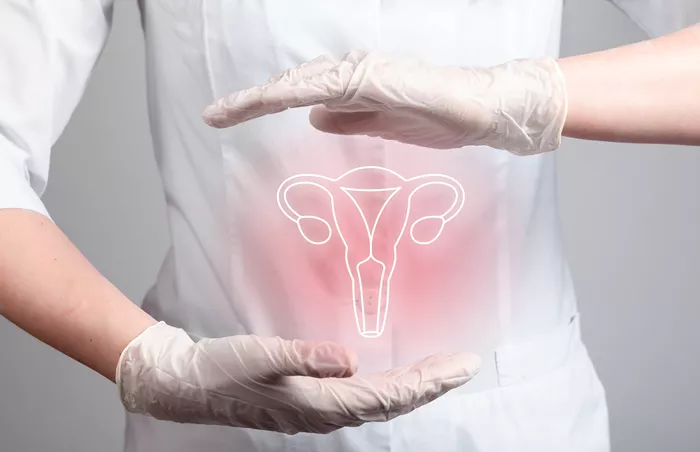
Uterine fibroids represent noncancerous growths that develop within the uterine wall, affecting a significant proportion of women during their reproductive years. Many individuals with fibroids remain entirely asymptomatic, requiring no immediate medical intervention.
The decision to pursue treatment generally depends on several key factors: the severity of symptoms such as heavy menstrual bleeding, pelvic pain, or pressure; the impact on overall health and quality of life; and future reproductive plans. A diagnosis of fibroids does not automatically mandate treatment, and many women successfully manage their condition through regular monitoring when symptoms are minimal or absent.
Implementing Watchful Waiting and Monitoring Strategies
For women who experience no symptoms or only mild discomfort, healthcare providers often recommend a approach known as watchful waiting or active monitoring. This conservative management strategy involves periodic pelvic examinations and ultrasound imaging to track any changes in the size or location of the fibroids.
This approach is particularly suitable for women approaching menopause, as fibroids typically shrink after cessation of menstrual periods. Regular monitoring ensures that any significant changes that might require intervention are detected early, while avoiding unnecessary treatments for stable, asymptomatic fibroids.
Exploring Medication Options for Symptom Management
When fibroids cause bothersome symptoms, several pharmacological options can provide effective relief. Over-the-counter nonsteroidal anti-inflammatory drugs like ibuprofen help manage menstrual cramps and pelvic discomfort. Hormonal therapies, including birth control pills, patches, or hormonal intrauterine devices, can significantly reduce heavy menstrual bleeding.
For more severe cases, gonadotropin-releasing hormone agonists may be prescribed to temporarily shrink fibroids by inducing a temporary menopausal state. Another option, tranexamic acid, is a non-hormonal medication taken during menstruation that helps reduce bleeding by promoting blood clotting at the uterine lining.
Considering Minimally Invasive Procedural Interventions
When medications provide insufficient relief, several minimally invasive procedures offer effective alternatives to traditional surgery. Uterine fibroid embolization represents a leading option, involving the blockage of blood vessels that supply the fibroids, causing them to shrink over time.
MRI-guided focused ultrasound surgery uses precisely targeted ultrasound waves to destroy fibroid tissue without incisions. For women who wish to preserve fertility, myomectomy procedures surgically remove fibroids while leaving the uterus intact, achievable through various approaches including hysteroscopic, laparoscopic, or abdominal surgery depending on the size and location of the fibroids.
Evaluating Surgical Options Including Hysterectomy
In cases where symptoms are severe or other treatments have proven ineffective, surgical interventions may be considered. Myomectomy remains the primary surgical option for women who wish to maintain their fertility potential. For women who have completed childbearing,=
hysterectomy—the surgical removal of the uterus—provides a permanent solution to eliminate fibroids and their symptoms entirely. While hysterectomy is the only guaranteed cure for fibroids, it is a major procedure that requires careful consideration of its permanent implications, including the inability to conceive and the potential need for hormone therapy if the ovaries are also removed.
Developing a Personalized Treatment Plan With Healthcare Providers
Creating an effective fibroid management plan requires collaborative decision-making between patients and their healthcare team. Important discussions should address symptom severity, impact on daily activities, reproductive goals, and personal preferences regarding treatment approaches.
Women should seek providers experienced in the full range of fibroid treatments, including newer minimally invasive options. With comprehensive information about risks, benefits, and alternatives for each treatment option, most women can develop a personalized strategy that effectively manages their fibroid symptoms while aligning with their overall health objectives and quality of life goals.
Related topics:
