
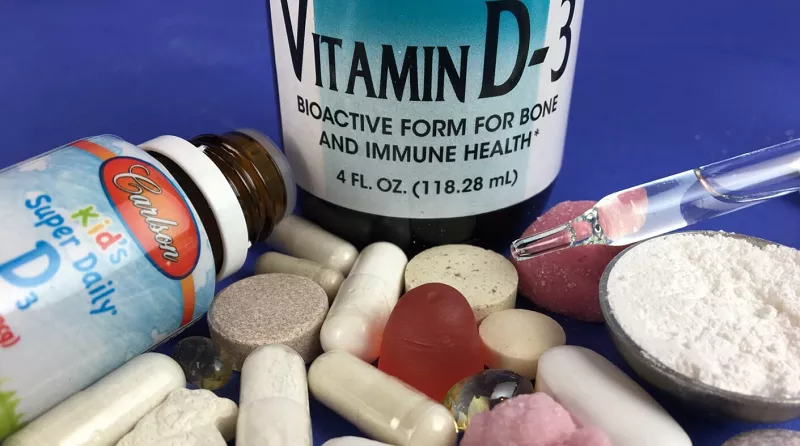
In an ideal scenario, individuals would obtain all essential nutrients, vitamins, and minerals directly from their daily food consumption. However, this concept remains largely aspirational, according to nutrition experts like David Grotto, a Chicago-based dietitian and author.
The reality, particularly for men, is starkly different. Data from the United States Department of Agriculture indicates that men aged 31 to 50 need to consume 350 percent more dark green vegetables and 150 percent more fruit daily just to meet federal dietary guidelines. This significant gap highlights widespread nutritional deficiencies across almost all nutrient categories, with the notable exception of meat and legumes.
Investigating the Scientific Evidence Behind Vitamin Supplementation
The fundamental question remains whether individuals should rely on vitamin pills to compensate for dietary gaps. Research led by Howard Sesso, an associate professor at Harvard Medical School, provides critical insights. The Physicians’ Health Study II, which tracked nearly 15,000 male doctors over a decade, assessed the health benefits of popular vitamins, including C, E, beta-carotene, and multivitamins.
Sesso reports that recent years of research have demonstrated no clear benefit from individual supplements. Specifically, large-scale studies published in the Journal of the American Medical Association found that neither vitamin E nor C reduced risks of cardiovascular disease or prostate cancer.
Analyzing the Contradictory Findings in Supplement Research
Despite generally negative findings for individual vitamins, some studies have yielded more positive outcomes. The same PHS II research team reported in 2007 that long-term beta-carotene supplementation may confer cognitive benefits. Furthermore, beta-carotene combined with vitamins C and E and zinc might slow the progression of age-related macular degeneration, a leading cause of blindness.
This conflicting evidence creates uncertainty for both consumers and healthcare professionals. Andrew Shao, PhD, of the Council for Responsible Nutrition, emphasizes that recommendations must consider the entire body of evidence, which continues to evolve rapidly through ongoing research.
Understanding the Superiority of Whole Foods Over Isolated Supplements
One plausible explanation for the poor performance of individual supplements in clinical trials lies in the complex synergy of nutrients found in whole foods. Sesso uses strawberries as an example, which provide vitamin C within a matrix of other beneficial compounds.
Replicating this nutritional complexity in supplement form presents significant challenges. The interaction between various food components likely produces health benefits that exceed the sum of individual parts. This fundamental understanding underscores why nutritionists consistently prioritize food-based nutrition over supplementation, while acknowledging that multivitamins may potentially offer a more balanced approach by mimicking some food-based nutrient interactions.
Developing Practical Supplementation Strategies for Men’s Health
Despite scientific uncertainties, practical supplementation recommendations have emerged. Grotto advises most clients to take a daily multivitamin formulated specifically for men, typically containing little or no iron, since men generally obtain sufficient iron from their diet and excess iron can be problematic.
Additionally, men should consider vitamin D and calcium supplementation to support bone health, countering the misconception that osteoporosis solely affects women. Grotto notes that vitamin D deficiency is particularly prevalent among his clients, making multivitamins with added vitamin D a common recommendation.
Conclusion
Regardless of potential benefits, supplement safety remains paramount. The principle that “more is not better” applies particularly to fat-soluble vitamins like vitamin A, which can cause liver toxicity at high doses. Grotto advises clients to avoid high-potency single-nutrient supplements and instead focus on balanced multivitamins.
Shao confirms that while most nutrients have a wide safety margin, vitamin A presents a notable exception with a narrower range between efficacy and toxicity. Both experts stress the importance of maintaining ongoing dialogue with healthcare providers to personalize supplementation based on individual health concerns, dietary patterns, and specific nutritional needs.
