
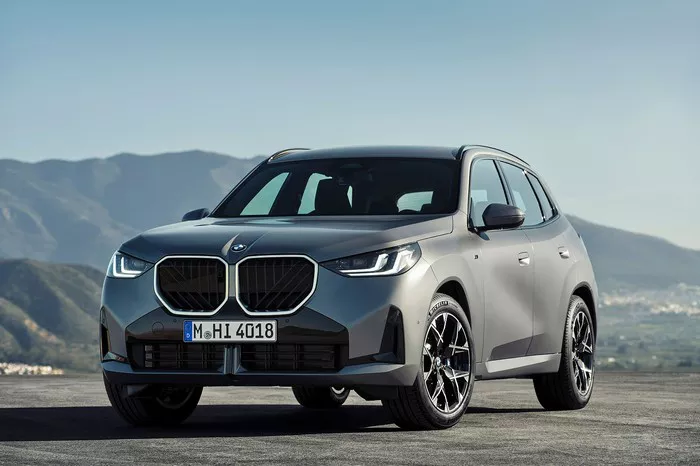
BMW is preparing to withdraw the iX from the U.S. market, bringing a relatively brief but impactful chapter for one of its most unconventional electric vehicles to a close. The move comes as the automaker shifts focus toward the upcoming next-generation iX3, underscoring a broader recalibration of its electric vehicle strategy in North America.
Although the iX’s departure may disappoint some enthusiasts, it is already reshaping dynamics in the used car market. Pre-owned examples have depreciated sharply, with some listings now available for less than half of their original price. When launched, the entry-level iX xDrive45 carried a starting price of $76,600 including destination fees, firmly positioning it within the premium segment. That same model is now becoming far more attainable for a wider pool of buyers.
Despite its divisive exterior styling, the iX has been widely recognized for its driving performance and refinement. Weighing over 5,200 pounds, the electric crossover delivers a composed and responsive ride that aligns with BMW’s reputation for balanced handling and precise steering. Unlike some performance-focused SUVs, it avoids an overly harsh ride, making it equally suited for daily use and long-distance travel.
Efficiency and engineering were also central to the iX’s appeal at launch. The model incorporates an aluminum space frame combined with carbon fiber elements, helping to offset weight and improve both handling and driving range. Early versions achieved an EPA-estimated range of up to 324 miles, a figure that remains competitive even as newer electric vehicles continue to extend range capabilities.
Inside, the iX features a modern, minimalist cabin designed with comfort and space in mind. A floating center console, premium materials, and an open dashboard layout contribute to a high-end atmosphere, while generous legroom enhances practicality. However, the heavy reliance on touchscreen controls, particularly for climate functions, may not appeal to all users accustomed to physical buttons.
From a technology standpoint, the iX continues to hold its ground. Its infotainment system offers a smooth and responsive user experience, and the integration of digital features meets expectations for a luxury EV. While more recent models may introduce incremental upgrades, the iX remains competitive in terms of connectivity and in-car technology.
The model’s discontinuation reflects a wider industry trend, as automakers rapidly replace early-generation electric vehicles with more advanced successors. BMW’s forthcoming iX3 is expected to play a key role in addressing evolving consumer demands related to design, range, and technological innovation.
For buyers exploring the pre-owned market, the iX now represents a strong value proposition. Its blend of luxury, performance, and respectable electric range—combined with significantly lower resale prices—positions it as an appealing option among used electric SUVs. While its styling continues to divide opinion, its overall driving experience and interior quality remain standout attributes.
As the BMW iX exits the U.S. market, its legacy may shift from a bold design statement to a compelling bargain. With depreciation reshaping its market position, it is increasingly seen as an accessible entry point into premium electric mobility.
