
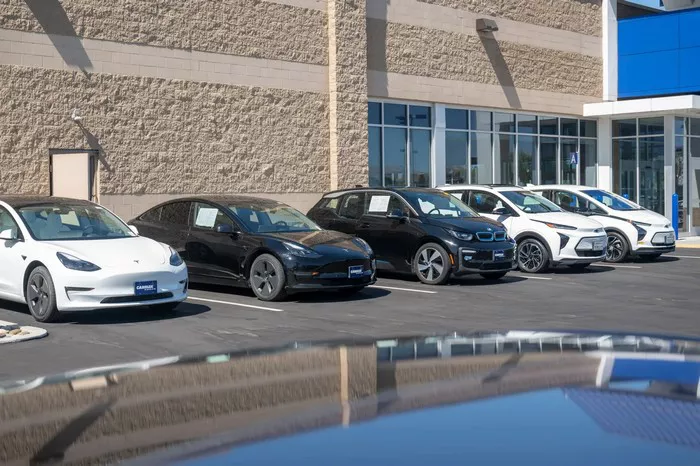
As gasoline prices continue to climb, more consumers are shifting their attention toward electric vehicles (EVs) as a potentially more cost-effective and environmentally friendly transportation option. However, concerns over battery condition and long-term durability remain a major barrier in the used EV market.
To address these issues, California has launched a new initiative known as the Zero-Emission Assurance Project (ZAP), designed to reduce the financial risk associated with owning used electric and hydrogen-powered vehicles. The program provides financial assistance for repairing or replacing key components once factory warranties have expired.
Under ZAP, eligible vehicle owners may receive up to $7,500 to cover the cost of repairing failed battery or fuel cell components. If repairs are not feasible, the program offers subsidies of up to $10,000 toward the purchase of a replacement electric vehicle, helping offset the cost of upgrading to a newer model.
Eligibility for the program is limited to participants who acquired their used EV through select state-backed incentive or financing programs, including the California Air Resources Board’s Financing Assistance Program and Clean Cars 4 All initiative. Covered vehicles include battery electric vehicles, plug-in hybrid electric vehicles, and hydrogen fuel cell models experiencing reduced performance, such as diminished driving range or lowered fuel cell output. In most cases, qualifying EV batteries must have degraded to below 70% of their original capacity, while fuel cell vehicles must meet manufacturer-defined replacement thresholds confirmed through approved diagnostic testing.
The ZAP initiative was first introduced as a pilot in select counties before being expanded statewide on March 30. Although the program has now been rolled out across California, no repair cases have been completed so far, though several vehicles have already undergone initial inspections.
State officials say the goal of ZAP is to strengthen consumer confidence in the used EV market and make cleaner transportation options more financially accessible. By reducing the risk of costly battery failures, the program is intended to encourage wider adoption of zero-emission vehicles amid growing environmental concerns and fluctuating fuel prices.
However, participation is not automatic. Assistance is only available after purchase and requires enrollment through qualifying state programs. Prospective buyers are advised to carefully review eligibility requirements before purchasing a used electric vehicle to ensure they can benefit from the initiative.
