
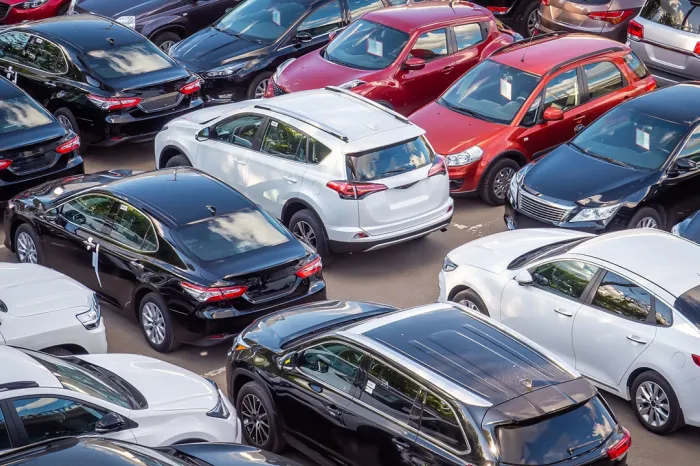
In the first quarter of 2026, new vehicle sales experienced a slowdown as affordability concerns led more consumers to consider second hand cars. According to a recent market analysis by CarGurus, rising prices and increasing gas costs have made buyers more cautious, encouraging them to explore used vehicle options. This trend has contributed to an increase in the days vehicles remain on dealer lots, reaching levels unseen in five years.
The data shows that the market days supply (MDS) for new cars climbed to 73 days in March 2026, up from 66 days a year earlier. This marks a significant rise compared to March 2022, when MDS was only 27 days due to supply constraints caused by chip shortages. While overall new vehicle supply has stabilized, many cars—especially those priced above $70,000—are sitting unsold longer. For example, vehicles under $30,000 average 63.2 days on lots, whereas higher-priced models stay over 87 days.
A notable shift in inventory composition has also occurred. Affordable new cars priced below $30,000 now make up only 13% of available inventory, a sharp decline from over 30% five years ago. This drop limits options for budget-conscious buyers seeking new vehicles. Hybrids have the tightest supply with an average of 47 days on lots compared to gas-powered cars at 75 days and electric vehicles (EVs) ranging from 85 to 98 days depending on type.
This scarcity of affordable new vehicles is driving demand for second hand cars, particularly models that are nearly new or just a couple of years old. Sales of used vehicles aged two years or less rose by 24% year-over-year in Q1 2026. Popular models in this category include the Chevy Trax, Jeep Compass, and Kia K4, all priced around $20,000 to $23,000 and showing remarkable sales growth rates. Meanwhile, older used cars—those eight years and older—also saw modest increases in sales.
Interest in used hybrids and EVs is growing as well. Online viewership for new EVs increased by 31%, while used EVs attracted 40% more views compared to previous periods. This reflects a broader consumer shift toward environmentally friendly vehicles despite price pressures.
Kevin Roberts, Director of Economic and Market Intelligence at CarGurus, noted that today’s buyers are adapting by considering lightly used vehicles within their budgets. With fewer new cars available under $30,000, shoppers are finding value in nearly new models that offer more choices without stretching their finances.
Looking ahead, industry experts warn that if the gap between new car prices and consumer budgets continues to widen, MDS could climb further unless manufacturers adjust production levels. Dealers may find greater opportunity focusing on used and hybrid inventories that align better with current buyer preferences and spending limits.
The challenge for dealerships will be balancing aging stock of new vehicles with an evolving used car market that may tighten if nearly new inventory diminishes. Tools like AI-driven inventory analysis platforms are emerging to help dealers understand market trends and shopper behavior more precisely.
Overall, affordability concerns are reshaping the automotive market landscape in 2026. Buyers are increasingly turning toward second hand cars as they seek practical and cost-effective transportation options amid rising new vehicle prices and fuel costs.
