
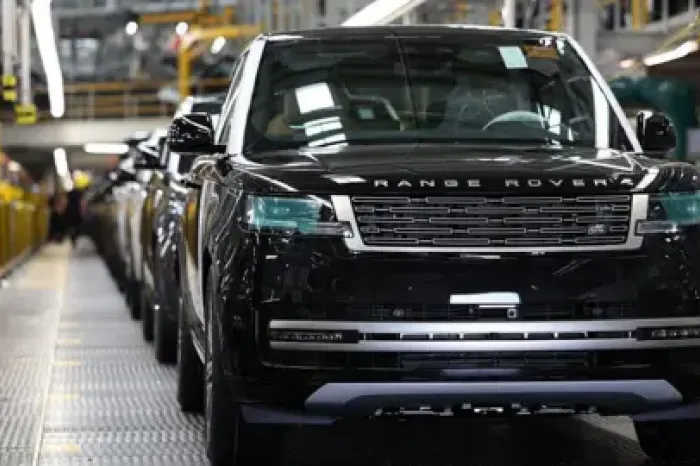
Jaguar Land Rover, the United Kingdom’s largest car manufacturer, is holding off on finalizing plans to produce electric vehicles domestically until there is more certainty about the post-Brexit trade environment. Although owned by India’s Tata Motors, the company accounts for nearly one-third of the 1.7 million vehicles produced annually across its three UK factories. Despite this significant domestic footprint, Jaguar Land Rover has chosen to assemble its new I-PACE electric SUV in Austria for the time being.
At the Geneva Motor Show, CEO Ralf Speth underscored how ongoing Brexit uncertainties continue to hinder investment and production decisions. Potential tariffs, customs delays, and disruptions in supply chains could drive up manufacturing costs and reduce operational efficiency, creating substantial challenges for automakers like Jaguar Land Rover.
Speth emphasized the importance of clear trade agreements combined with government and academic collaboration to establish stable conditions that support future growth. Negotiations between London and Brussels aim to secure a transitional arrangement maintaining free trade until at least the end of 2020 while working toward a comprehensive long-term Brexit deal. Until these terms are settled, Jaguar Land Rover remains cautious about committing to UK-based electric vehicle production.
This climate of uncertainty has already slowed inward investment and prolonged decision-making processes across Britain’s automotive sector. Jaguar Land Rover’s hesitation reflects broader industry concerns over how Brexit will affect trade rules and supply chain logistics. The company’s decision on expanding electric vehicle manufacturing in the UK heavily depends on achieving predictable post-Brexit trading conditions.
The wider UK automotive industry faces similar hurdles as it navigates an evolving political and economic landscape. Without clear guidance on tariffs and customs procedures, manufacturers risk escalating costs and logistical challenges that could erode their competitiveness. The outcome of Brexit talks will be crucial in determining whether Jaguar Land Rover can grow its domestic electric vehicle output or must continue relying on overseas plants.
Ultimately, Jaguar Land Rover’s cautious approach highlights the urgent need for stable trade frameworks to support the UK’s transition toward electric vehicle production. As the automotive sector adapts to shifting market demands and regulatory changes, clarity from Brexit negotiations will play a decisive role in shaping investment strategies and the future of British car manufacturing.
