
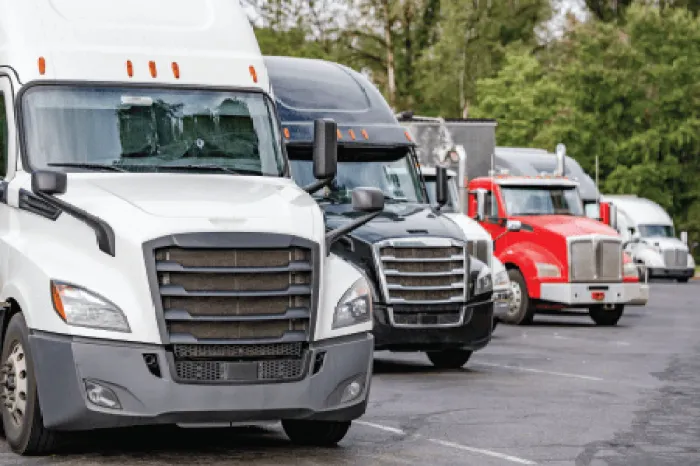
Electric heavy-duty trucks are increasingly becoming a viable alternative to traditional diesel trucks, driven by rapid technological advances and rising fuel costs. Improvements in battery capacity and charging infrastructure have made electric trucks suitable for urban and regional freight, with some models now able to travel 400 to 500 kilometers on a single charge. This progress is transforming the trucking industry, especially as high oil prices and fuel supply concerns push fleet operators to consider cleaner and more cost-effective options.
In China, electric heavy-duty truck sales surged dramatically, with a 182 percent increase reported in 2025. This growth is especially notable in regions rich in coal such as Shanxi, Inner Mongolia, and Xinjiang. In Xinjiang alone, sales jumped by 80 percent from the previous year, highlighting how electric trucks are providing a buffer against disruptions caused by geopolitical events like the ongoing war in Iran. The conflict has led to soaring oil and gas prices, further motivating a shift toward electric vehicles.
Australia presents another critical market where electric trucks are gaining attention. The country depends heavily on diesel-powered road freight, moving more than 250 billion tonne-kilometers of goods annually. However, diesel imports are costly and vulnerable to volatile global oil markets. With diesel trucks contributing significantly to transport emissions and air pollution costs exceeding $6 billion annually, electric trucks offer a promising alternative. They promise lower running costs—electricity for trucks can be roughly half the price of diesel fuel—and reduced environmental impact.
Despite these advantages, challenges remain. Electric trucks currently cost between 1.3 to 2.4 times more than their diesel counterparts, mainly due to battery expenses. However, battery prices have fallen by about 50 percent over the last five years, narrowing this gap. Infrastructure is another hurdle; heavy-duty trucks require high-power charging stations capable of delivering hundreds of kilowatts or even megawatts of power. This need has sparked a chicken-and-egg dilemma where fleet operators hesitate to adopt electric trucks without sufficient charging facilities, while investors wait for more electric trucks on the road before funding infrastructure projects.
Solutions are emerging to address these barriers. Government incentives, clear emissions standards, and investments in dedicated truck charging hubs along major freight corridors are helping accelerate adoption. Innovations like megawatt charging standards allow large truck batteries to be charged within 30 to 60 minutes during drivers’ mandatory rest breaks. Battery swapping technology also offers rapid turnaround times by replacing depleted batteries with fully charged ones in just minutes.
The outlook for electric heavy-duty trucks is promising but gradual. While they won’t replace diesel overnight, their operational benefits—such as immediate torque delivery, quieter rides, and lower maintenance—are winning over drivers and fleet managers alike. Manufacturers like Volvo plan to produce heavy-duty electric models locally, while trials continue under diverse conditions including long distances and heavy loads.
As the world faces rising oil prices and increasing pressure to reduce carbon emissions, the shift toward electric heavy-duty trucks reflects a broader trend in transportation toward direct electrification. This approach is proving simpler and more energy-efficient than alternatives like hydrogen fuel cells, which have struggled with high costs and limited infrastructure development.
Overall, the combination of economic savings, energy security, and environmental benefits positions electric heavy-duty trucks as a key component of the future freight landscape worldwide.
