
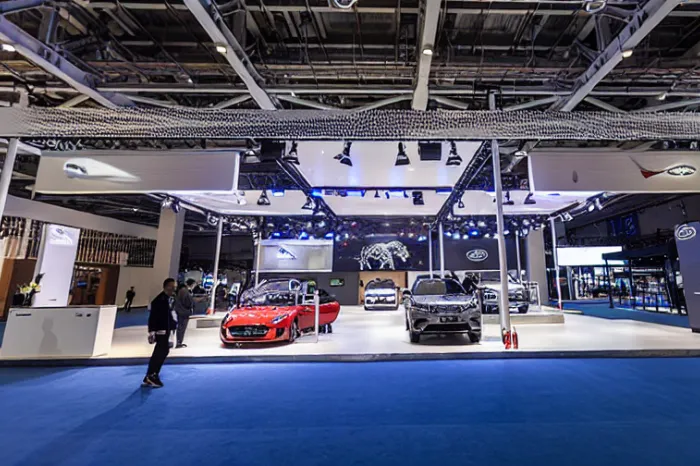
Jaguar Land Rover (JLR), the United Kingdom’s largest car manufacturer, has reported a significant recovery in vehicle sales following a major cyberattack that disrupted production last year. In the first quarter ending March 31, JLR sold 95,300 vehicles to dealers, marking a 61.1% increase compared to the previous quarter. Retail sales also rose by 16.2%, reaching 92,700 vehicles. This rebound follows a five-week production halt at key UK plants due to the cyberattack that began on September 1.
Despite this quarter-on-quarter growth, JLR’s sales remain lower than the same period last year. The company attributed this decline to several challenges including ongoing US tariffs, difficulties in the Chinese market, and the planned discontinuation of older Jaguar models. Sales in China fell sharply by 29.8%, reflecting continued market struggles. Retail sales for the quarter were down 14.3% year-on-year, and dealer sales dropped by 14.5%, with a notable 23.1% decrease in the UK.
In parallel with recovering its sales figures, JLR’s Chinese joint venture with Chery Automobile has taken a bold step towards electrification. Chery Jaguar Land Rover Automotive officially ended production of internal combustion engine vehicles at its Changshu plant on March 31 with the last fossil-fuel Range Rover Evoque rolling off the assembly line. The joint venture simultaneously launched a new independent electric vehicle brand named Freelander, signaling its formal shift towards electric and intelligent mobility.
The new Freelander brand will manufacture all-electric and hybrid models at Changshu using an upgraded production line that received a CNY3 billion (USD435.8 million) investment for digitization and modernization. The first model under this brand, the Concept97, is equipped with batteries supplied by Contemporary Amperex Technology and features Huawei’s intelligent driving platform along with Qualcomm Snapdragon 8397 auto-grade chips. Freelander plans to introduce six new models over the next five years and aims to establish a retail network of 100 outlets across 60 cities worldwide by the end of next year.
Wen Fei, Freelander’s global CEO and Chery JLR’s executive vice president, emphasized that this initiative demonstrates how a deeply integrated Chinese team can build a world-class luxury new energy vehicle brand independently. The collaboration sees JLR leading design efforts while Chery handles engineering development, sales, and service functions.
This move reflects a broader trend among multinational carmakers in China who are shifting from merely manufacturing vehicles locally to developing products specifically for the Chinese market with advanced electrification and smart technologies. Similar partnerships are seen in other luxury brands like Audi, which is working with SAIC Motor to develop new electric vehicles for China.
Overall, Jaguar Land Rover is navigating through recent operational setbacks while aggressively pursuing innovation and expansion in electric mobility both in China and globally. The company’s recovery in sales after cyber disruptions combined with strategic investments in EV technology underline its commitment to adapting within an evolving automotive landscape.
