
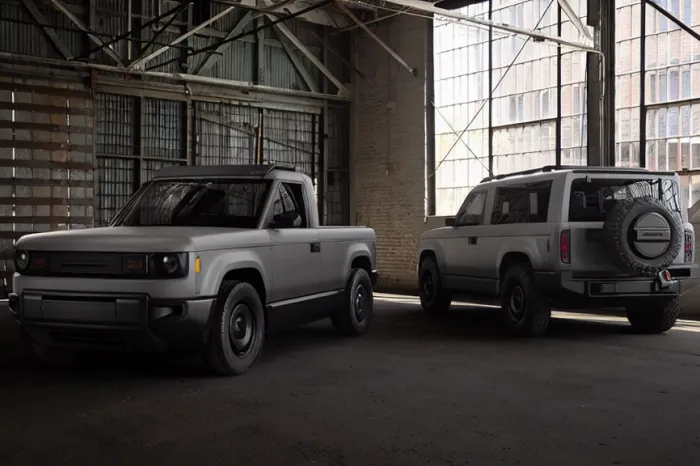
The electric pickup truck market is undergoing significant shifts in pricing and consumer appeal as new models like the Slate enter the scene. Initially promoted as an electric vehicle (EV) priced around $20,000, the Slate truck now faces a revised real-world price closer to the mid-$20,000 range. This adjustment reflects broader changes in EV tax incentives and market dynamics that have emerged by 2026.
Previously, federal EV tax credits helped lower the effective cost of electric vehicles, allowing manufacturers to advertise attractive prices that bridged production expenses and buyer willingness to pay. However, with many incentives either expired or restricted by new rules on domestic sourcing, the sticker price consumers see is now much closer to what they actually pay. This shift has a notable impact on buyer psychology and monthly payment affordability, especially as interest rates remain elevated.
The Slate’s updated pricing situates it in a more competitive landscape than initially expected. While a $20,000 electric pickup would have stood almost alone in its category, competing mostly with used vehicles, a price in the mid-$20,000s brings it closer to hybrid compact trucks. These hybrids offer low running costs and proven reliability without reliance on charging infrastructure, making them attractive alternatives for budget-conscious buyers.
Despite this pricing evolution, the Slate remains unique as one of the few compact electric pickups available at an accessible price point. Larger electric trucks from established manufacturers tend to be significantly more expensive and target different consumer segments. The Slate aims to appeal to buyers who want practical utility without traditional truck ownership complexities — such as small business owners needing simple work tools or first-time EV drivers seeking straightforward technology.
The vehicle’s design philosophy also sets it apart. The Slate embraces a bold, boxy aesthetic that defies the aerodynamic norms of most EVs. It offers a modular interior that can convert from a pickup bed to an enclosed cargo space, providing versatile use for outdoor enthusiasts and casual users alike. With ranges between 150 and 240 miles depending on battery choice, it is tailored for light off-road use rather than heavy-duty tasks.
This approach targets a lifestyle-oriented segment that values customization, affordability, and functional simplicity over luxury or high-performance features. The Slate’s launch highlights a broader market trend where electric vehicles must balance realistic pricing with evolving consumer expectations amid changing economic conditions and policy landscapes.
Looking ahead, the Slate’s journey underscores how sensitive EV pricing is to government incentives and supply chain factors. While the vehicle no longer disrupts solely on price, its focus on usability and honest design may prove vital as electric trucks seek wider adoption beyond niche or premium markets. The arrival of affordable electric pickups like the Slate marks a meaningful step toward making EVs accessible to everyday drivers while reflecting the maturing state of the electric vehicle industry.
