
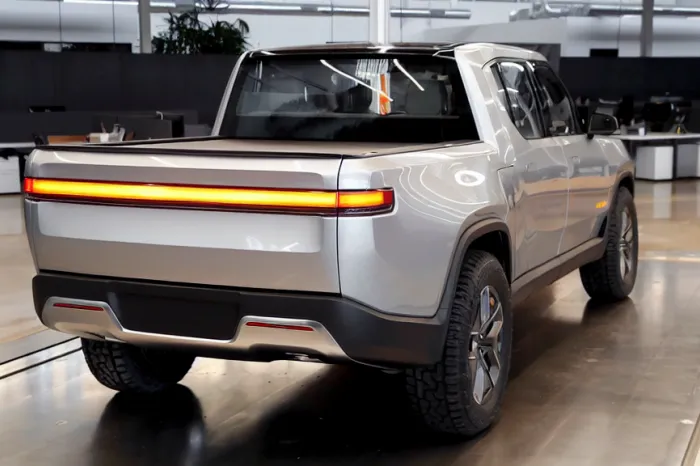
European truck operators are facing steep increases in diesel fuel costs, making electric trucks a more cost-effective alternative. Recent analyses reveal that diesel hauliers in Europe could see monthly fuel expenses rise by over €1,200, while electric trucks experience far smaller increases in energy costs. In Germany, the largest truck market in Europe, diesel truck fuel costs have surged to levels more than 2.5 times higher than those for electric trucks, leading to savings of around €1,760 per month for electric vehicle operators.
Diesel prices across major European Union markets have climbed above €2 per litre, reaching levels last seen during the 2022 energy crisis. This surge is causing significant financial strain on diesel truck operators, who typically allocate about one-third of their operating costs to fuel. Given that many freight companies operate on very narrow profit margins—often just 2%—the volatility in oil prices poses a serious risk to their business sustainability.
In contrast, electric trucks offer greater protection against fluctuating global fuel prices due to their reliance on electricity, which tends to be more stable and predictable in cost. According to Transport & Environment (T&E), the monthly energy cost increase for electric trucks in Germany is approximately €460, far less than the increase faced by diesel vehicles. The potential savings grow even larger if operators invest in solar panels and battery storage systems, which reduce dependence on the grid and lower overall energy expenses.
The shift to electric trucks is not only economically beneficial for hauliers but also has broader implications for Europe’s energy security. Trucks make up just 2% of vehicles on EU roads but consume nearly 20% of all road transport oil imports. By adopting electric trucks more widely, Europe could reduce its oil import dependency by about 22% by 2035. This reduction could save the continent an estimated €28 billion and shield its economy from future oil price shocks.
However, recent moves by some European manufacturers to weaken CO₂ emissions standards risk delaying the transition to electric trucks. These delays could prolong reliance on fossil fuels and impede cost savings for logistics companies. Stef Cornelis, director of freight and fleets at T&E, emphasized that adhering to stringent green truck regulations is crucial not only for reducing emissions but also for enhancing the resilience and affordability of Europe’s transport sector.
The current diesel price crisis highlights the urgent need for policies that support electrification in freight transport. As fuel costs continue to rise unpredictably, electric trucks provide a stable and cheaper option for operators seeking to manage expenses effectively. With stronger regulatory backing and investment in clean energy infrastructure, electric trucks could become the backbone of a more sustainable and economically resilient European freight industry.
