
Record Wave of Used EVs Set to Transform the Affordable Car Market in 2026 and BeyondThe U.S. market is on the cusp of a record influx of used electric vehicles (EVs), as an unprecedented number of leases reach their end. Analysts project that up to 500,000 EVs will return to the used-car market in 2026, with that figure nearly doubling in 2027. Increasingly, lessees are choosing to return their vehicles rather than purchase them outright.
According to Edmunds, battery electric vehicles (BEVs) are expected to rise from just 2% of lease returns in 2025 to 8% in 2026. Meanwhile, internal combustion engine (ICE) vehicles are forecasted to decline from 93% of returns to 82%. This surge in available EVs could make electric mobility accessible to millions of consumers seeking affordable alternatives to new cars.
Used EV prices have already seen significant declines. Since 2022, average prices have dropped 35% to around $34,600, with some models available for less than $25,000—bringing them in line with many used gasoline-powered vehicles. Data from Cox Automotive indicates that the price premium of EVs over comparable gas models fell to $1,376 in January from $2,591 in December. Factors driving this trend include lease returns, rental fleet sell-offs, and reductions in new-car prices, collectively narrowing the cost gap and lowering barriers to EV ownership.
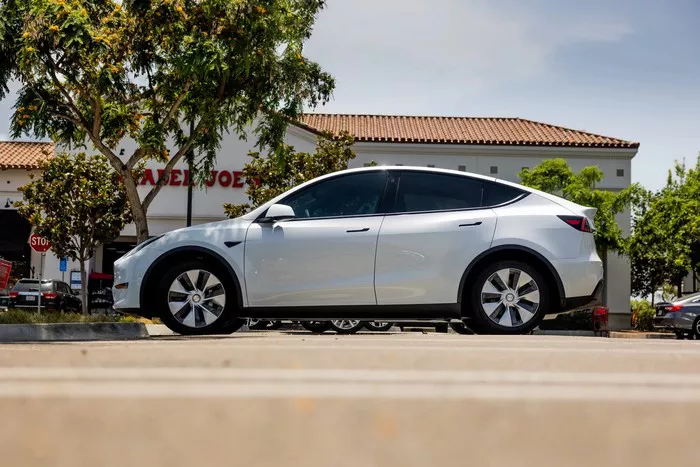
Tesla continues to dominate the used EV segment, with over 12,000 units sold through non-Tesla dealerships in February 2026, followed by Chevrolet, Ford, BMW, and Hyundai. Particularly, the Tesla Model X is moving nearly twice as fast as the average used car despite previous concerns about quality. This rapid turnover highlights strong demand for Tesla vehicles in the secondary market, even as increased supply begins to exert pressure on resale values.
Looking ahead, the trajectory of the used EV market could significantly shape consumer adoption. If supply growth persists and prices continue to decline, used EVs could capture a larger share of the U.S. used-car market, which sees 32–40 million annual transactions. However, potential hurdles remain: concerns over battery longevity and gaps in charging infrastructure could slow adoption, leaving excess inventory and further compressing resale values. Historical trends from the early hybrid market suggest that once cost parity with traditional vehicles is achieved, consumer uptake can accelerate rapidly.
With affordability improving and supply set to surge, 2026 may mark a turning point for the U.S. used EV market, offering a wider audience the chance to transition to electric mobility.
