
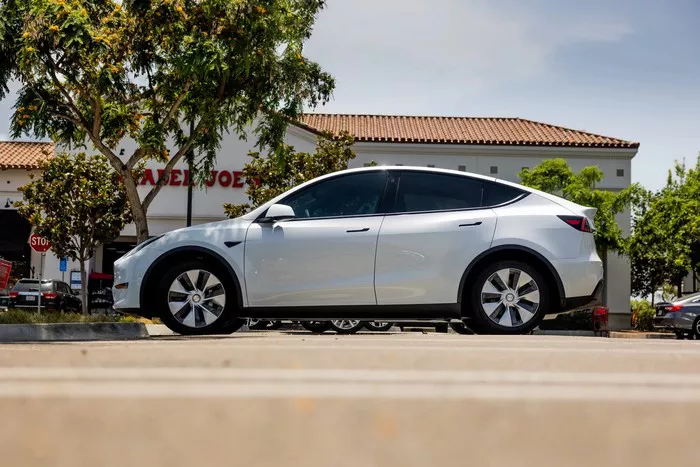
As electric vehicles (EVs) grow in popularity, many second-hand buyers worry about battery degradation. A used EV that originally promised 250 miles of range might now show only 225 miles, raising concerns about the battery’s health.
However, experts say that dashboard range numbers are often misleading and shouldn’t be the primary factor in deciding whether a used EV is worth purchasing.
Battery Degradation Is Gradual
Battery capacity in modern EVs typically declines slowly, at around 1–3% per year. Over five years, this usually amounts to a total loss of 5–10%. For a vehicle that originally offered 250 miles of range, seeing 225–235 miles today is generally normal.
Even more importantly, the range displayed on the dashboard is not a direct measure of battery health. The figure is an estimate based on recent driving habits, energy use, and other factors. Aggressive driving or frequent highway trips can make the range appear lower, while gentle city driving may yield higher numbers.
External Factors Can Affect Range
Weather also plays a significant role. Cold temperatures alone can temporarily reduce EV range by 15–30%, often exceeding the effect of several years of natural battery aging.
According to experts, the critical measure for buyers is not the original EPA rating but whether the car’s current usable range meets their daily driving needs.
Situations That Accelerate Battery Wear
Certain conditions can lead to faster battery degradation. Cars exposed to prolonged heat or poor thermal management may lose capacity more quickly than others. However, these cases are generally exceptions rather than the rule.
Most EV manufacturers provide substantial battery warranties, typically covering 8 years or 100,000–150,000 miles, often guaranteeing a specific percentage of the original battery capacity. This protection is far more relevant than a slight reduction in dashboard range.
Tools for Extra Assurance
For buyers seeking reassurance, onboard diagnostics or OBD2 tools can estimate the battery’s state of health, indicating how much usable energy remains and whether the cells are aging evenly.
Ultimately, the original EPA range serves only as a historical reference. The key considerations when buying a used EV are its current range, charging capabilities, and remaining warranty, ensuring it fits the buyer’s real-world driving requirements.
