
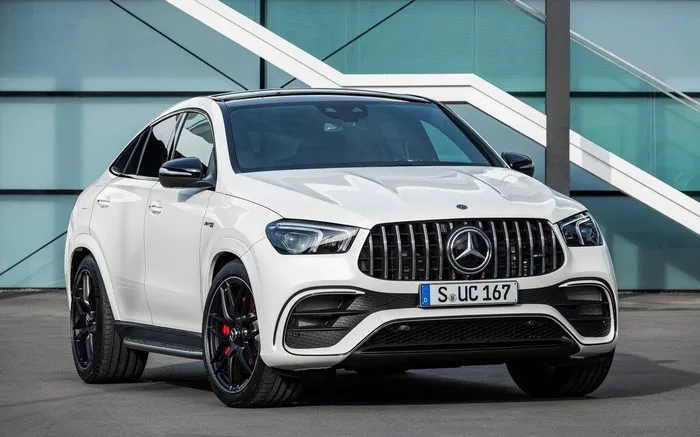
Mercedes-Benz is rolling out substantial incentives for some of its flagship electric vehicles in March, underscoring the challenges luxury EVs are facing in the United States. As demand in the high-end electric segment slows, the German automaker is offering aggressive discounts to attract buyers to models such as the Mercedes-Maybach EQS and the electric G-Class.
The most striking offer is a $25,000 incentive on the 2026 Mercedes-Maybach EQS. The discount comes through the automaker’s Mercedes Incentive Bonus program, which functions as dealer cash. This means dealerships receive financial support from Mercedes-Benz and may choose to pass the savings on to customers as a way to boost sales.
The scale of the incentive highlights the difficulty luxury EVs have had gaining traction. Last year, the 2025 version of the Maybach EQS was offered with an even larger $50,000 dealer cash incentive. While it is unclear whether discounts will reach that level again, the current offer indicates that Mercedes is continuing to rely on major incentives to stimulate interest in the model.
Discounts Expand to Electric G-Class
Mercedes has also increased incentives for the 2026 Mercedes G 580 with EQ Technology, the fully electric version of its iconic G-Class SUV. Only a few months ago, the model carried a $5,000 dealer incentive, but that discount has now doubled to $10,000 in March.
Like the Maybach offer, the G 580 incentive is structured as dealer cash. As a result, the final discount can vary depending on the dealership, but the expanded incentive signals the brand’s effort to generate stronger demand for its electric luxury vehicles.
Luxury EV Demand Falling Behind
The broader electric vehicle market continues to grow worldwide, yet the luxury EV segment has struggled to maintain the same momentum. Automakers initially assumed that buyers who favored large, premium SUVs and high-end cars would embrace similarly large electric models.
That strategy has not produced the expected results. Several luxury brands have begun reassessing earlier electrification plans. Mercedes, Porsche, Ferrari and Lamborghini have all softened previously aggressive EV timelines. Audi has also faced headwinds, discontinuing the Q8 E-tron and closing its Brussels production facility while citing declining demand for electric vehicles in the luxury segment.
High Prices Remain a Major Barrier
Cost is a major factor limiting the appeal of luxury EVs. Electric powertrains require large battery packs, especially in heavy vehicles designed to deliver strong performance. These batteries significantly increase production costs, pushing vehicle prices even higher.
The 2026 Mercedes-Maybach EQS starts at around $90,000 before incentives, while the electric Mercedes G 580 is priced at approximately $164,000. Even with five-figure discounts, these vehicles remain out of reach for many buyers.
Sales data illustrates the challenge. During the first four months of 2025, Mercedes sold roughly 1,450 units of the G 580 worldwide. Over the same period, the traditional gasoline-powered G-Class recorded about 9,700 sales. For many customers, paying a significant premium for the electric version has not proved compelling enough.
Performance and Technology Expectations
Luxury buyers also expect exceptional performance and driving range. However, some electric models struggle to match the capabilities of their gasoline counterparts. The gas-powered G-Class offers a driving range of around 500 miles, while the electric G 580 delivers approximately 239 miles, making the transition less appealing for certain buyers.
At the same time, the technological advantages once associated with premium EVs are becoming more widely available across the industry. Many features—such as advanced driver assistance systems, rapid charging capability and sophisticated infotainment systems—are now common across vehicles at multiple price points.
“For years, brands like Porsche, Audi and others have been able to expand output and model ranges while continuing to command premium prices in the market,” said Peter Wells, a business professor and director of the Center for Automotive Industry Research at Cardiff University, in comments to Wired. “Those days are now over.”
Shift Toward More Affordable EVs
Economic conditions are also shaping buyer behavior. With rising living costs and greater financial uncertainty, many consumers are focusing on value and affordability rather than luxury features.
As a result, attention is shifting toward lower-priced electric vehicles. In the United States, significant interest surrounds upcoming EVs priced below $40,000, including new models being developed by Ford and other automakers aimed at the mass market.
Meanwhile, sales of premium electric vehicles have softened. Porsche’s Taycan recorded 4,142 sales in the United States and 16,339 globally in 2025, representing a 22 percent decline compared with the previous year.
A Changing Luxury EV Landscape
The luxury EV market once benefited from strong enthusiasm among early adopters eager to experience new electric technology. However, shifting economic conditions and a growing focus on affordability are reshaping consumer priorities.
For Mercedes-Benz and other premium brands, the significant discounts now appearing on models such as the Maybach EQS and G 580 illustrate how even the most prestigious automakers are adapting to a rapidly evolving electric vehicle market.
