
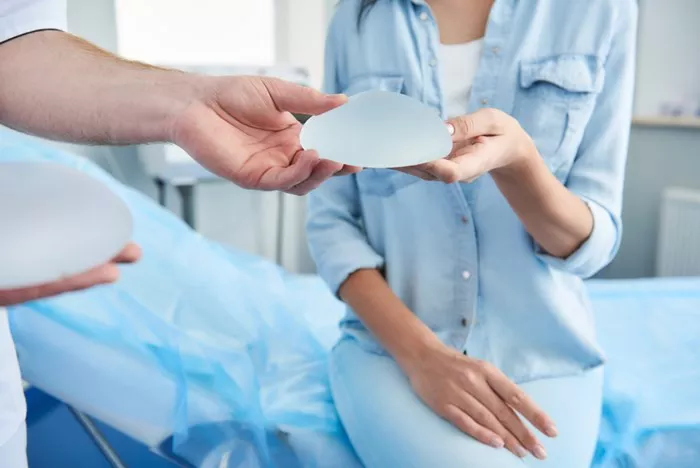
After getting breast implants, many patients wonder when their new breasts will settle into a natural position. This process is often called the “drop and fluff” stage. It usually takes time for implants to fully settle, and the speed can vary depending on the implant type, placement method, skin elasticity, and post-operative care. In this article, we will explain how to help implants drop faster safely, what to expect, and common tips from experts.
Understanding the Implant Drop
Breast implants are placed either under the breast tissue or under the chest muscle. After surgery, implants may sit high on the chest due to swelling, tight skin, or the body adjusting to the new shape. The “drop” refers to the implant moving downward and outward, giving the breasts a natural slope and fullness at the bottom. The “fluff” is the softening of the tissue around the implant, which helps create a natural feel.
It is important to know that implants do not drop immediately. The average timeline for implants to drop fully is between 3 to 6 months, but it can take up to a year for some patients. Factors such as implant size, type, and body type all play a role.
Factors Affecting Implant Drop Speed
1. Implant Type
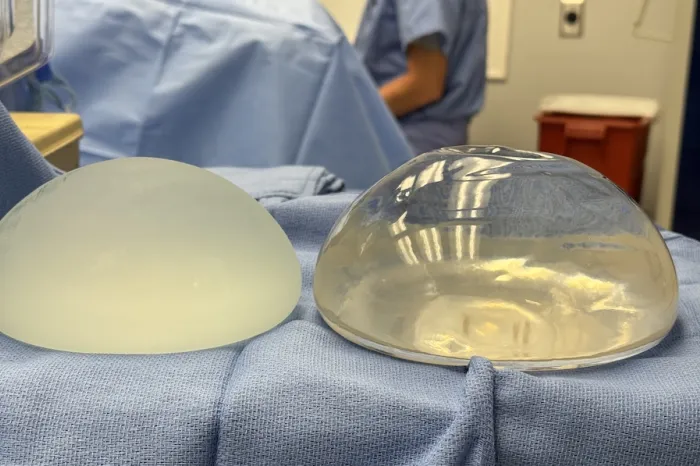
Different implants settle differently. Silicone implants tend to feel softer and may drop more naturally over time compared to saline implants. Smooth implants often move more easily than textured implants, while larger implants may take longer to drop because of the extra weight.
2. Placement Method
Implants can be placed above the chest muscle (subglandular) or below it (submuscular). Submuscular implants generally take longer to drop because the chest muscle holds them in a higher position initially. However, submuscular placement often results in a more natural long-term look.
3. Skin Elasticity
Patients with more elastic skin may experience faster implant drops because the tissue stretches and adjusts to the implant shape more easily. Conversely, tighter or less elastic skin may resist stretching, making the drop slower.
4. Swelling and Healing
Swelling is natural after surgery. It can make implants appear higher than they will ultimately sit. Proper healing is essential, and rushing the process may lead to complications such as implant malposition or capsular contracture.
Techniques to Help Implants Drop Faster
While time is the most important factor, there are several safe ways to encourage implants to settle naturally.
1. Massage (if recommended by your surgeon)
Some surgeons advise gentle breast massage after the initial healing phase to help soften scar tissue and encourage the implant to move. Always follow your surgeon’s instructions. Techniques may include:
- Push the implant upward, downward, and side-to-side gently.
- Massage for a few minutes a day, avoiding overpressure.
- Stop immediately if you feel pain or unusual swelling.
2. Wearing a Proper Supportive Bra
Wearing a soft, supportive bra without underwires can help implants settle naturally. Avoid bras that push implants unnaturally high or compress the chest. Sports bras or post-surgery bras are recommended for the first few months.
3. Correct Posture and Movements
Good posture supports even implant positioning. Avoid activities that strain the chest muscles, especially for submuscular implants, in the first 4-6 weeks. Gentle stretching exercises, once cleared by your surgeon, can promote tissue flexibility.
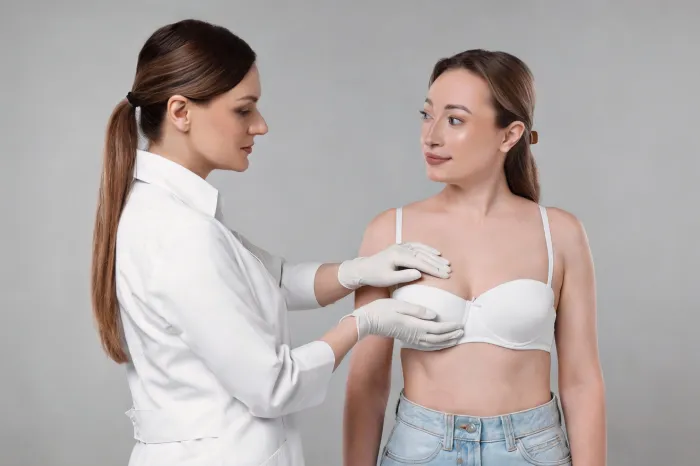
4. Gravity and Daily Activity
Allowing the body to do its natural work is often underestimated. Gravity helps implants drop over time, especially when combined with normal movement of the chest and arms. Avoid pressing implants down forcibly; this may cause complications.
5. Compression Therapy
Some surgeons may recommend short-term use of compression garments or taping techniques to shape and guide the implant. This should only be done under medical supervision.
Exercises That Can Support the Implant Drop
Exercise is generally limited immediately after surgery. Once your surgeon clears you, light exercises may help improve circulation and tissue flexibility. Recommended activities include:
- Gentle arm circles and shoulder stretches.
- Yoga positions that open the chest without straining the muscles.
- Light walking to improve blood flow and healing.
Avoid heavy lifting or chest exercises that strain the muscle under submuscular implants until fully healed. Overdoing exercise can delay healing and negatively affect implant position.
When to Consult Your Surgeon
If you notice uneven implants, persistent high placement after 6 months, or unusual pain, consult your surgeon. Some patients may require:
- Scar tissue release (capsulotomy) to allow proper dropping.
- Repositioning if the implant has shifted unnaturally.
Always avoid attempting aggressive techniques on your own, as improper handling can damage the implant or surrounding tissue.
Realistic Expectations
Every patient’s healing and implant drop timeline is different. Factors such as implant type, placement, skin condition, and body activity play a role. Patience is key. Typically:
- 1-2 months: Slight softening and minor drop begins.
- 3-6 months: Significant drop and natural slope appear.
- 6-12 months: Full settling with natural feel and look.
Remember, rushing the process with aggressive massage or pressure can cause complications. Gentle care and following your surgeon’s advice are the safest ways to achieve a natural result.

FAQs About Making Breast Implants Drop Faster
Q1: Is it safe to massage implants right after surgery?
A1: No. Implant massage should only start if your surgeon recommends it, usually a few weeks after surgery. Early massage can increase the risk of complications.
Q2: Can exercise make implants drop faster?
A2: Gentle exercises that improve circulation and chest flexibility can help, but heavy lifting or intense chest workouts too early can hinder healing and cause malposition.
Q3: How long does it take for implants to fully drop?
A3: Most implants settle between 3-6 months. Some may take up to a year, depending on implant size, type, placement, and skin elasticity.
Q4: Can gravity alone help implants drop faster?
A4: Yes, gravity naturally encourages implants to settle, but time is the key factor. Avoid forcing implants down manually.
Q5: What should I do if one implant drops slower than the other?
A5: Slight asymmetry is common during healing. If unevenness persists after several months, consult your surgeon for guidance. Sometimes, gentle massage or revision surgery may be needed.
Q6: Does implant type affect the speed of drop?
A6: Yes. Silicone and smooth implants often drop faster and feel softer sooner. Larger implants may take longer due to additional weight.
Q7: Are there any risks in trying to make implants drop faster?
A7: Aggressive massage, pushing, or pressure can increase the risk of implant displacement, capsular contracture, or damage. Always follow your surgeon’s recommendations.
Conclusion
By understanding the implant drop process, following post-operative instructions, and practicing safe techniques, patients can encourage natural settling of breast implants. Patience, gentle care, and proper support are the keys to achieving a beautiful, natural result.
