

A thread facelift is a popular cosmetic procedure designed to lift and tighten sagging skin on the face without undergoing traditional surgery. It is a minimally invasive technique that uses special threads to gently pull and reposition the skin, giving a younger, fresher appearance. In this article, we will explain the process of a thread facelift in detail, its benefits, preparation, aftercare, and answer common questions.
What is a Thread Facelift?
A thread facelift, sometimes called a “lunchtime facelift” or “non-surgical facelift,” is a procedure that uses medical-grade threads inserted under the skin. These threads help lift sagging areas of the face, stimulate collagen production, and improve skin elasticity. Unlike traditional facelifts, a thread facelift requires no large incisions, general anesthesia, or long recovery times.
Types of Threads Used
There are different types of threads used in facelifts. Each type has a specific purpose and effect:
1. PDO Threads
Polydioxanone (PDO) threads are commonly used. They are absorbable threads that dissolve over time while stimulating collagen production, resulting in a natural lift.
2. PLLA Threads
Poly-L-lactic acid (PLLA) threads last longer than PDO threads and provide both lifting and volumizing effects by promoting collagen growth over time.
3. PCL Threads
Polycaprolactone (PCL) threads are more durable and provide a longer-lasting lift, typically up to two years. They also stimulate collagen and improve skin texture.
Who is a Good Candidate for a Thread Facelift?
Not everyone is suitable for a thread facelift. Ideal candidates are:
- Adults with mild to moderate sagging skin on the cheeks, jawline, or neck.
- Individuals seeking a minimally invasive alternative to a traditional facelift.
- People in generally good health with realistic expectations.
Patients with severe skin laxity or significant wrinkles may require a traditional surgical facelift for optimal results.

Preparation Before a Thread Facelift
Proper preparation is essential for a successful thread facelift. Here are the main steps:
1. Consultation
During the initial consultation, the surgeon evaluates your skin, discusses goals, and recommends the appropriate type of threads and technique.
2. Medical History
Provide your full medical history, including medications, allergies, and any past cosmetic procedures. Certain conditions like bleeding disorders may affect suitability.
3. Avoid Certain Medications
You may be advised to avoid blood-thinning medications, aspirin, or herbal supplements that increase bleeding risk for at least a week before the procedure.
4. Skincare Preparation
Keeping the skin clean and moisturized is important. Avoid strong exfoliants or chemical peels just before the procedure.
The Thread Facelift Procedure
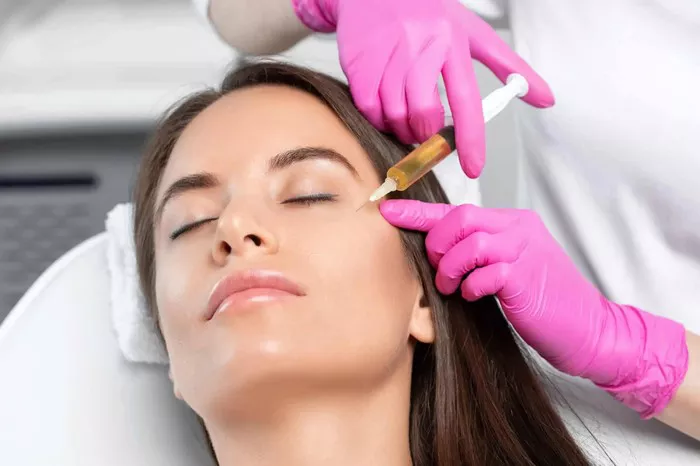
The thread facelift procedure typically takes 30 to 60 minutes and is performed under local anesthesia. Here’s a step-by-step guide:
1. Anesthesia
The doctor cleans the treatment area and applies a local anesthetic to numb the skin. This ensures the procedure is comfortable with minimal pain.
2. Thread Insertion
Using a fine needle or cannula, the surgeon inserts the threads under the skin. The threads have tiny barbs that anchor into the tissue, allowing the skin to be gently lifted.
3. Lifting the Skin
The surgeon carefully pulls the threads to lift sagging areas such as the cheeks, jawline, or neck. Multiple threads can be used for a balanced, natural-looking lift.
4. Trimming and Adjusting
After lifting, the excess thread is trimmed, and the skin is smoothed. The threads remain under the skin and gradually dissolve while stimulating collagen production.
5. Final Assessment
The surgeon evaluates the symmetry and overall appearance. Minor adjustments may be made to ensure a natural, youthful result.
Benefits of a Thread Facelift
A thread facelift offers several advantages compared to traditional facelifts:
- Minimally invasive with no large surgical incisions.
- Short recovery time, usually a few days to a week.
- Stimulates natural collagen production for long-lasting improvement.
- Can be repeated or combined with other non-surgical treatments.
- Less risk of complications compared to traditional surgery.
Recovery After a Thread Facelift
Recovery is typically faster than a surgical facelift. Here’s what to expect:
Immediate Post-Procedure
Minor swelling, bruising, or redness may occur. This usually resolves within a few days.
First Week
- Avoid vigorous exercise, heavy lifting, or facial massages.
- Sleep with your head elevated to reduce swelling.
- Avoid excessive facial expressions to allow threads to settle.
Long-Term Care
- Protect your skin from sun exposure using sunscreen.
- Maintain a healthy lifestyle and skincare routine.
- The threads dissolve over 6–12 months, while collagen stimulation continues for longer-lasting results.
Risks and Considerations
While a thread facelift is generally safe, it is important to be aware of potential risks:
- Minor bruising, swelling, or tenderness.
- Asymmetry or uneven lifting.
- Infection at the thread insertion site.
- Thread migration or extrusion (rare).
Choosing a skilled and experienced surgeon greatly reduces the risk of complications and ensures natural results.
Results and Longevity
Results are visible immediately after the procedure and continue to improve as collagen forms. The lifting effect usually lasts 12–18 months, depending on the type of threads used, age, skin condition, and lifestyle habits.
FAQs About Thread Facelift
1. Is a thread facelift painful?
Most patients experience minimal discomfort thanks to local anesthesia. Mild soreness or tightness may occur for a few days.
2. How long does a thread facelift last?
The lifting effect lasts about 12–18 months, but collagen stimulation continues for longer, maintaining a natural look.
3. Can thread facelift replace a surgical facelift?
Thread facelifts are best for mild to moderate sagging. Severe aging or excess skin may still require a surgical facelift.
4. When can I resume normal activities?
Most patients return to work and light activities within a few days, but strenuous exercise should be avoided for 1–2 weeks.
5. Are there any side effects?
Minor bruising, swelling, or tenderness is common. Serious complications are rare if performed by an experienced doctor.
6. Can the procedure be repeated?
Yes, thread facelifts can be repeated as needed, and threads can also be combined with other non-surgical treatments for enhanced results.
7. What areas can be treated?
Common areas include the cheeks, jawline, neck, eyebrows, and nasolabial folds.
 Conclusion
A thread facelift is a safe, effective, and minimally invasive way to lift and rejuvenate the face. It provides natural-looking results with minimal downtime and stimulates collagen for longer-lasting improvements. With proper consultation, preparation, and aftercare, patients can achieve a refreshed, youthful appearance without the need for traditional surgery.
