

Breast implants are a popular choice for women who want to enhance the size and shape of their breasts. Whether for cosmetic reasons or reconstructive purposes, choosing the right implant is a critical decision. Implants are not one-size-fits-all; there are different types designed to meet various needs and preferences. In this article, we will explore the four main types of breast implants in detail, explain their characteristics, and help you understand which option might be best for you.
Saline Breast Implants
Saline implants are filled with a sterile saltwater solution. They are popular because they are safe and can be adjusted in size during surgery. If a saline implant leaks, the body naturally absorbs the saltwater, making it harmless.
Characteristics of Saline Implants
- Filled with sterile saltwater solution.
- Can be adjusted for volume during surgery.
- Less natural feel compared to silicone implants.
- Implants are smooth or textured on the surface.
Pros
- Safer in case of rupture as the body absorbs saline.
- Smaller incision needed if implant is inserted empty and filled later.
- Lower cost compared to silicone implants.
Cons
- May feel less natural, especially in women with less natural breast tissue.
- More noticeable rippling under the skin.
Silicone Breast Implants
Silicone implants are filled with a thick, gel-like substance that feels more like natural breast tissue. They are popular among women who want a more natural look and feel.
Characteristics of Silicone Implants
- Filled with silicone gel, which mimics natural breast tissue.
- Available in smooth or textured surfaces.
- Available in different shapes: round or teardrop (anatomical).
Pros
- Feels more natural than saline implants.
- Less likely to show ripples under the skin.
- Provides better shape and contour in women with thinner tissue.
Cons
- More expensive than saline implants.
- Regular MRI scans may be needed to detect silent ruptures.
Gummy Bear Implants (Form-Stable Implants)
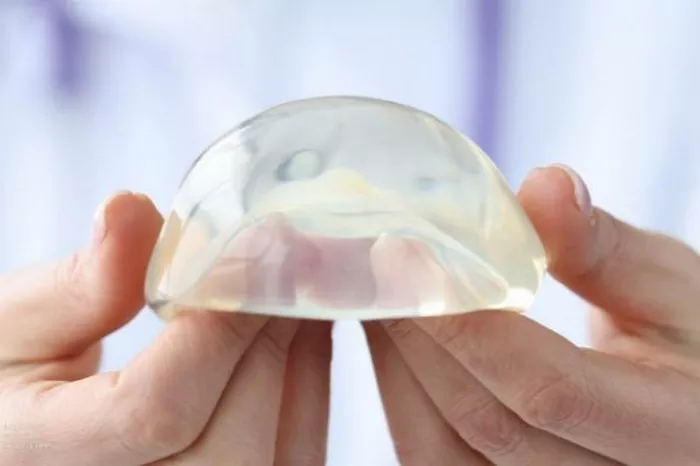
Gummy bear implants are a type of silicone implant that is firmer and maintains its shape even if the outer shell breaks. They are also known as form-stable implants because they hold their shape very well.
Characteristics of Gummy Bear Implants
- Made of thicker silicone gel that is cohesive.
- Holds its shape even if the shell is damaged.
- Usually teardrop-shaped for a natural breast contour.
- Textured surface to prevent rotation.
Pros
- Provides a natural shape, especially in women with less natural tissue.
- Less likely to wrinkle or ripple compared to traditional silicone implants.
- Long-lasting and stable over time.
Cons
- Larger incision may be needed for insertion.
- More expensive than traditional silicone and saline implants.
Round Breast Implants
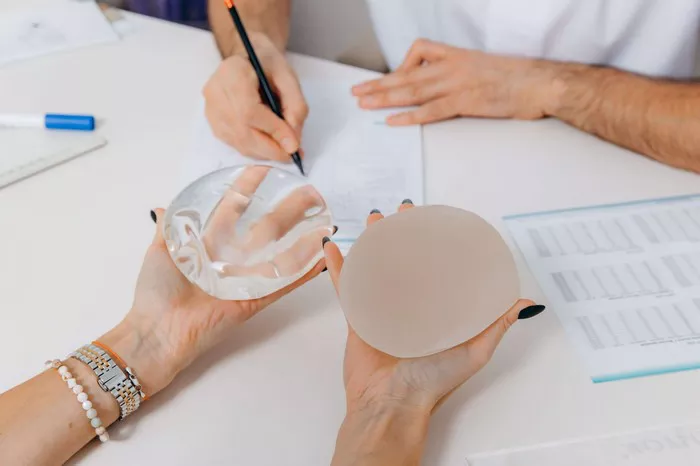
Round implants are one of the most common types of breast implants. Unlike teardrop or form-stable implants, round implants are symmetrical and evenly shaped. They are often used for women who want more fullness at the top of the breast.
Characteristics of Round Implants
- Symmetrical shape with even fullness.
- Available in saline or silicone gel.
- Can create more cleavage and projection.
Pros
- Provides a full and youthful appearance.
- Easy to adjust size and shape.
- Less concern about rotation compared to teardrop-shaped implants.
Cons
- May look less natural for women with minimal breast tissue.
- Fullness may appear too prominent for some body types.
How to Choose the Right Implant
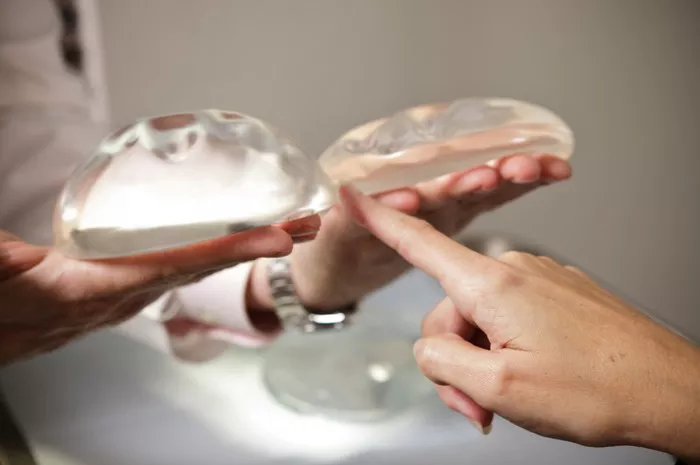
Choosing the right implant depends on your body type, desired outcome, and lifestyle. Here are some factors to consider:
- Natural Breast Tissue: Women with more natural tissue may prefer saline or silicone implants, while women with less tissue may benefit from gummy bear implants for a more natural shape.
- Desired Shape: Round implants provide more upper breast fullness, while teardrop-shaped implants give a more natural slope.
- Lifestyle and Activity: If you lead an active lifestyle, you may prefer implants that are less prone to rupture or displacement.
- Budget: Saline implants are generally less expensive than silicone or gummy bear implants.
Risks and Considerations
All breast implants carry potential risks and complications. Some common concerns include:
- Capsular contracture – hardening around the implant
- Implant rupture or leakage
- Changes in breast sensation
- Infection or bleeding
- Need for revision surgery over time
Regular follow-ups with your plastic surgeon are essential to monitor the implants and ensure long-term safety and satisfaction.
FAQs About Breast Implants
1. How long do breast implants last?
Breast implants are not lifetime devices. On average, they last 10-20 years, but some may last longer without issues.
2. Can I breastfeed after getting implants?
Yes, most women can breastfeed after breast implant surgery. However, it may depend on the incision type and implant placement.
3. Are there any signs that my implant has ruptured?
For saline implants, a rupture is usually noticeable as a sudden decrease in breast size. For silicone implants, ruptures may be silent, so regular imaging may be recommended.
4. Which type of implant feels the most natural?
Silicone and gummy bear implants typically feel more natural because they mimic the softness of breast tissue.
5. Can implants affect mammograms?
Breast implants can make mammograms slightly more complex, but specialized techniques allow for accurate breast cancer screening.
6. Is there a best implant type for every woman?
No. The best implant depends on individual anatomy, goals, and lifestyle. A consultation with a qualified plastic surgeon is essential.
Conclusion
Understanding the four main types of breast implants—saline, silicone, gummy bear, and round implants—can help you make an informed decision. Each type has unique benefits, considerations, and potential risks. By discussing your goals and concerns with a board-certified plastic surgeon, you can choose the implant that best fits your body, lifestyle, and desired results.
