
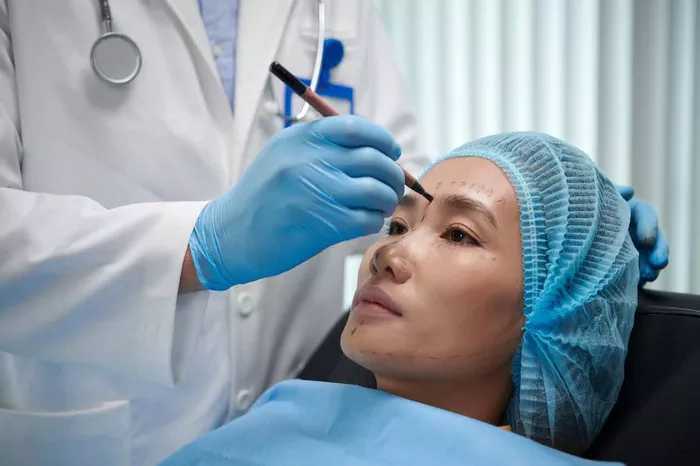
A lower facelift is a cosmetic surgical procedure designed to rejuvenate the lower part of the face. It primarily targets the jawline, jowls, and lower cheeks, helping to reduce sagging skin, smooth wrinkles, and restore a more youthful facial contour. This procedure can create a natural, refreshed appearance without the need for a full facelift, making it a popular choice for adults who want to improve their lower face and jawline. In this article, we will explain in detail how a lower facelift is done, what to expect before and after surgery, and answer common questions about this procedure.
Understanding the Lower Facelift
A lower facelift is a cosmetic surgery designed to improve the appearance of the lower part of the face. It targets areas such as the jawline, jowls, and lower cheeks. This procedure is ideal for people who notice sagging skin, deep lines, or loss of firmness in these areas. Unlike a full facelift, a lower facelift focuses on the lower face, making it less invasive with a shorter recovery time.
Why People Choose a Lower Facelift
As we age, the skin loses elasticity, and fat may shift downward, causing sagging or jowls. Gravity, sun exposure, and genetics contribute to these changes. A lower facelift can:
- Smooth wrinkles along the jawline and lower cheeks.
- Reduce sagging skin in the lower face.
- Enhance the definition of the jawline.
- Create a more youthful and balanced appearance.
Patients often choose a lower facelift to achieve subtle, natural-looking results without the need for a full facelift.
Preparing for a Lower Facelift
Preparation is key to a safe and successful lower facelift. Here is what patients can expect:
1. Consultation
The process begins with a consultation with a board-certified plastic surgeon. During this meeting, the surgeon will:
- Examine the facial structure and skin quality.
- Discuss your goals and expectations.
- Review medical history and current medications.
- Explain risks, benefits, and the recovery process.
2. Medical Evaluation
Blood tests, imaging, or other medical assessments may be done to ensure you are healthy enough for surgery. This reduces the risk of complications during or after the procedure.
3. Preoperative Instructions
Patients receive instructions to prepare for surgery. Common guidance includes:
- Avoiding smoking and alcohol at least two weeks before surgery.
- Stopping certain medications that can increase bleeding risk.
- Arranging transportation and help for the first few days after surgery.

The Surgical Procedure
A lower facelift typically involves lifting and tightening the underlying muscles, removing excess skin, and repositioning tissue to restore a youthful contour. Here is a step-by-step explanation:
1. Anesthesia
The surgery usually begins with anesthesia. Patients may receive:
- General anesthesia, which puts you fully to sleep.
- IV sedation combined with local anesthesia, which relaxes you and numbs the surgical area.
2. Incisions
The surgeon makes incisions to access the deeper layers of the face. In a lower facelift, the incisions are typically made:
- Along the hairline near the temples.
- Around the front of the ears.
- Extending slightly behind the ears if needed.
These placement points help hide scars naturally.
3. Lifting and Tightening
Once the incisions are made, the surgeon lifts the skin and tightens the underlying muscles and connective tissue, often referred to as the SMAS layer (superficial musculoaponeurotic system). This step provides long-lasting improvement and natural-looking results.
4. Removing Excess Skin
After lifting the deeper layers, any loose or sagging skin is carefully trimmed. The skin is then redraped over the newly lifted structure to create a smooth, youthful contour.
5. Closing Incisions
The surgeon closes the incisions using fine sutures. In some cases, dissolvable stitches are used to minimize the need for removal. Small drainage tubes may be placed temporarily to prevent fluid buildup.
6. Post-Surgery Dressings
The face is typically covered with a light bandage to reduce swelling and support healing. Patients may also receive instructions for cold compresses and head elevation to minimize swelling and bruising.
Recovery After a Lower Facelift
Recovery is an important part of achieving the best results. Here is a typical timeline:
First Week
- Swelling and bruising are common and usually peak during the first 2–3 days.
- Drainage tubes, if used, are often removed within a few days.
- Pain and discomfort can be managed with prescribed medications.
Second to Third Week
- Swelling and bruising gradually decrease.
- Most patients can resume light activities but should avoid strenuous exercise.
- Stitches, if not dissolvable, are usually removed during this period.
One Month
- Swelling continues to subside.
- Results start to become visible, although subtle swelling may remain.
- Patients can often resume normal activities, including returning to work.
Three to Six Months
- The face settles into its final shape.
- Scars continue to fade and become less noticeable.
- Most patients are fully healed and satisfied with the results.
Risks and Considerations
Like any surgical procedure, a lower facelift carries potential risks, including:
- Infection at the incision site.
- Hematoma or fluid collection under the skin.
- Temporary or permanent nerve damage causing weakness or numbness.
- Scarring, though usually minimal and well-hidden.
- Asymmetry or dissatisfaction with the cosmetic outcome.
Choosing a qualified and experienced surgeon reduces these risks significantly.
Benefits of a Lower Facelift
A lower facelift offers several benefits:
- Improved jawline and lower face contour.
- Reduction of jowls and sagging skin.
- Long-lasting, natural-looking results.
- Boost in self-confidence and overall facial harmony.
Who is a Good Candidate?
Ideal candidates for a lower facelift include:
- Adults with visible sagging in the lower face.
- People with good overall health and realistic expectations.
- Non-smokers or those willing to quit before and after surgery.
- Individuals looking for a subtle but effective facial rejuvenation.
Frequently Asked Questions (FAQs)
1. How long does a lower facelift last?
Results can last 7–10 years depending on genetics, lifestyle, and skin quality. Aging will continue, but the procedure slows visible signs of aging in the lower face.
2. Is a lower facelift painful?
Most patients experience mild discomfort managed with prescribed pain medications. Swelling and bruising are normal during the first two weeks.
3. Will there be visible scars?
Incisions are strategically placed around the hairline and ears to hide scars. They typically fade over time and become barely noticeable.
4. Can a lower facelift be combined with other procedures?
Yes. Many patients combine it with eyelid surgery, neck lift, or fat transfer for overall facial rejuvenation.
5. How long is the recovery time?
Most patients return to daily activities within 2–3 weeks, but full healing and final results may take several months.
6. Are there non-surgical alternatives?
Non-surgical options like fillers, Botox, and skin tightening treatments exist but cannot achieve the same long-lasting lift as a surgical lower facelift.
Conclusion
A lower facelift is an effective surgical option to restore a youthful appearance in the lower face. By lifting sagging skin, tightening muscles, and improving the jawline, it offers natural and long-lasting results. Proper preparation, choosing an experienced surgeon, and following post-operative care are key to a successful outcome. With a lower facelift, patients can enjoy improved facial harmony and renewed confidence for many years.
