
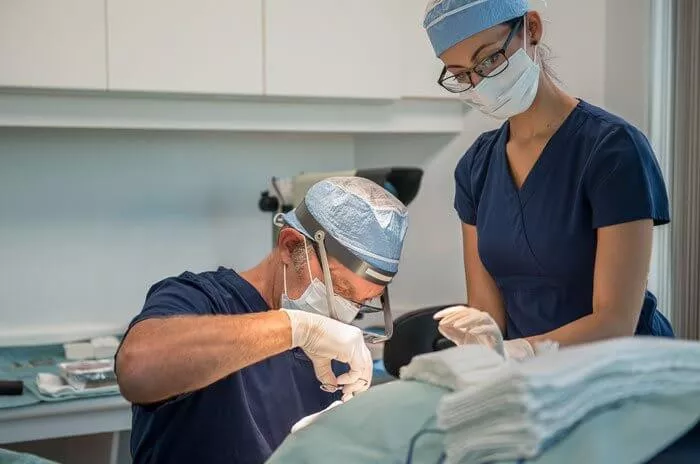
Hair transplantation has become a popular solution for people experiencing hair loss. Many people who consider hair transplantation often ask, “How many hairs are in one graft?” Understanding this is crucial for realistic expectations and planning the procedure. In this article, we will explain everything about hair grafts, the number of hairs in each graft, factors affecting the number, and what patients should expect. We will also answer frequently asked questions at the end.
What is a Hair Graft?
A hair graft is a small piece of tissue that contains hair follicles. In hair transplantation, surgeons take grafts from areas with dense hair growth, usually the back or sides of the scalp, called the donor area. These grafts are then transplanted into the areas of thinning or baldness, known as the recipient area.
Types of Hair Grafts
Hair grafts come in different types, mainly depending on the number of hair follicles they contain. The most common types are:
- Single-hair grafts: Contain only one hair follicle each. These are often used for creating natural-looking hairlines.
- Double-hair grafts: Contain two hair follicles. They are used in areas needing moderate density.
- Triple-hair grafts: Contain three hair follicles. These provide more coverage in the middle and back parts of the scalp.
- Multi-hair grafts: Contain four or more hair follicles. These are used in areas requiring high density.
How Many Hairs Are Typically in One Graft?
The number of hairs in one graft varies depending on the patient and the surgeon’s technique. On average:
- Single-hair graft: 1 hair
- Double-hair graft: 2 hairs
- Triple-hair graft: 3 hairs
- Quadruple-hair graft: 4 hairs or more
Most patients receive a mix of single, double, and triple grafts to achieve a natural-looking hairline and density. For example, a hair transplant session with 2,500 grafts may contain between 5,000 and 7,500 hairs in total.
Factors Affecting the Number of Hairs in One Graft
Several factors determine how many hairs are in each graft:
1. Donor Area Quality
The donor area, usually the back or sides of the scalp, should have healthy and thick hair follicles. The density of the donor hair influences how many hairs can be harvested in a single graft. People with thicker hair may have grafts with more hairs per unit.
2. Hair Thickness
Hair thickness also plays a role. Thick hair shafts can create the appearance of greater density even if the grafts contain fewer hairs. Thin hair may require more grafts to achieve the same visual effect.
3. Patient Age
Age can affect hair follicle quality. Younger patients may have more robust and multiple-hair grafts. Older patients may have fewer hairs per graft due to miniaturization of follicles.
4. Surgical Technique
Different hair transplant techniques impact the number of hairs per graft. The two main techniques are:
- FUT (Follicular Unit Transplantation): Surgeons remove a strip of scalp from the donor area and dissect it under a microscope. This allows precise separation of follicles, often resulting in grafts with 1–4 hairs.
- FUE (Follicular Unit Extraction): Surgeons extract individual follicular units directly from the scalp. Each unit naturally contains 1–4 hairs, preserving the natural grouping of follicles.
5. Ethnicity and Hair Characteristics
Ethnic background and hair characteristics can influence graft composition. For example:
- Asian hair tends to be thicker and straighter, often giving the appearance of more density with fewer hairs per graft.
- Caucasian hair varies widely in thickness and curl, affecting the number of hairs needed for optimal coverage.
- Afro-textured hair tends to grow in tightly coiled follicles, sometimes resulting in grafts with fewer hairs but higher visual density due to curl.
How Surgeons Decide How Many Hairs Per Graft
Experienced hair transplant surgeons carefully plan the number of hairs per graft based on the patient’s needs. The goal is to balance a natural look with enough density. Factors they consider include:
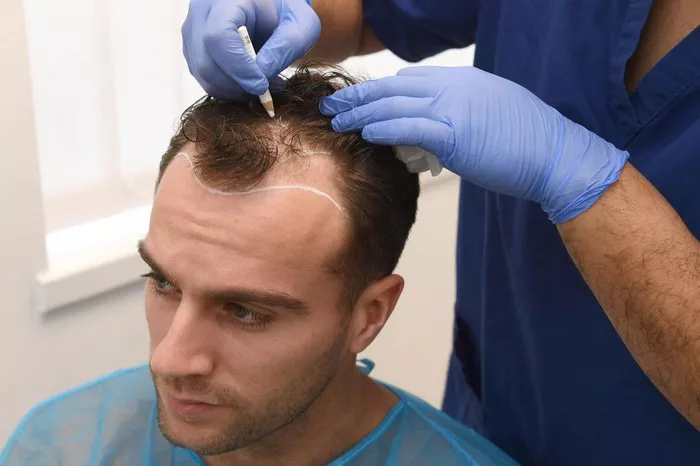
- Hairline design: Single-hair grafts are used at the front to create a natural-looking hairline.
- Density requirements: Double and triple-hair grafts are used behind the hairline for fuller appearance.
- Coverage area: Larger bald areas require more multi-hair grafts for efficiency.
- Donor hair availability: Surgeons avoid overharvesting from the donor area to maintain its appearance.
Average Graft Numbers for Different Areas
The number of grafts used in different areas depends on coverage needs:
- Hairline: Mostly single-hair grafts for a natural look.
- Frontal region: Single and double-hair grafts for moderate density.
- Mid-scalp: Double and triple-hair grafts to increase fullness.
- Vertex (crown): Often triple and quadruple-hair grafts for maximum coverage.
How Many Grafts Are Needed for a Full Hair Transplant?
The number of grafts depends on the bald area, hair density, and hair thickness. On average:
- Small bald spot: 500–1,000 grafts
- Moderate hair loss: 1,500–2,500 grafts
- Extensive baldness: 3,000–4,500 grafts
Since each graft contains 1–4 hairs, this translates into 2,000–10,000 hairs, depending on graft type and hair density.
Post-Transplant Hair Growth Expectations
After the procedure, transplanted hairs go through a shedding phase, usually 2–4 weeks post-surgery. This is normal. New hair growth typically starts after 3–4 months, and full results are seen around 12 months. Patients may notice:
- Initial shedding of transplanted hairs
- Gradual regrowth of 1–2 hairs per graft in the first months
- Full hair density after 8–12 months
Tips to Maximize Hair Transplant Results
- Follow your surgeon’s post-op care instructions carefully.
- Maintain a healthy diet to support hair growth.
- Avoid smoking and excessive alcohol, which can reduce graft survival.
- Use recommended hair care products that are gentle on new grafts.
- Schedule follow-up visits to monitor hair growth and address concerns.
Common Misconceptions About Hair Grafts
- All grafts contain the same number of hairs: False. Grafts naturally contain 1–4 hairs depending on the follicle unit.
- More hairs per graft always look better: False. Single-hair grafts are essential for a natural-looking hairline.
- Transplanted hairs will fall out immediately: False. Shedding is temporary, and regrowth starts within months.
- Hair density depends only on graft number: False. Hair thickness, curl, and placement also affect visual density.
FAQs About Hair Grafts
Q1: How many hairs are in one graft on average?
A: On average, each graft contains 1–4 hairs. The exact number depends on the patient’s hair and surgeon technique.
Q2: Can a graft contain more than four hairs?
A: Rarely, some grafts may contain 5–6 hairs, especially in areas of very thick hair. However, most grafts are 1–4 hairs.
Q3: Do all patients receive the same number of hairs per graft?
No. Surgeons tailor the number of hairs per graft based on hairline design, density goals, and donor hair availability.
Q4: Is it better to have more hairs per graft?
Not always. Natural-looking hairlines use single-hair grafts. Multi-hair grafts are best for filling larger areas behind the hairline.
Q5: How long until transplanted hairs grow?
Transplanted hairs usually shed within a few weeks. New growth starts after 3–4 months, with full results at around 12 months.
Q6: Can transplanted hair fall out after a year?
Most transplanted hairs are permanent. However, factors like aging or hair loss progression in non-transplanted areas can affect overall appearance.
Q7: Does hair thickness affect the number of grafts needed?
Yes. Thicker hair may need fewer grafts to achieve the same visual density, while thin hair requires more grafts.
Conclusion
Understanding hair grafts and the number of hairs in each graft helps patients have realistic expectations and plan their hair transplant journey. Consulting an experienced hair transplant surgeon is essential for personalized advice and optimal results.
