
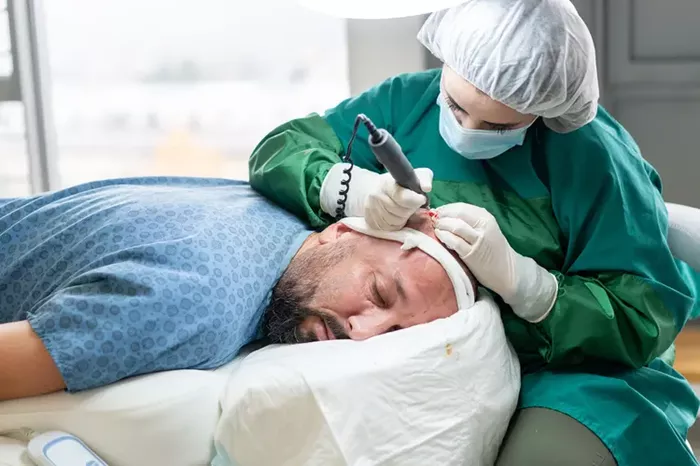
Hair transplant is a popular solution for people dealing with hair loss. Many patients wonder if transplanted hair can fall out after a year. The short answer is: it is possible, but the reasons and frequency vary. In this article, we will explain everything you need to know about hair transplant results, why transplanted hair might fall, and how to maintain your new hair for long-term growth.
What is a Hair Transplant?
A hair transplant is a medical procedure where hair follicles are taken from a donor area, usually the back or sides of the scalp, and implanted into thinning or bald areas. There are two main techniques:
- FUT (Follicular Unit Transplantation): A strip of scalp is removed, and individual follicles are transplanted.
- FUE (Follicular Unit Extraction): Individual follicles are extracted directly and implanted. This method is less invasive and leaves minimal scarring.
What to Expect After a Hair Transplant
After a hair transplant, there is a recovery period and gradual hair growth. Typical timeline:
- 0-2 Weeks: Scalp soreness and scabs around follicles.
- 2-8 Weeks: Transplanted hair may fall out (shock loss), which is normal.
- 3-6 Months: New hair starts to grow gradually, initially thin.
- 6-12 Months: Hair becomes thicker and denser, significant improvement is visible.
- 12-18 Months: Final results appear; hair should grow naturally if successful.
Can Transplanted Hair Fall Out After a Year?
Generally, transplanted hair is permanent, but some hair loss can happen after a year due to several factors.
Shock Loss of Surrounding Hair
Hair around the transplant may fall due to stress on the scalp, though this usually happens earlier. Late shock loss is rare but possible.
Poor Blood Supply
Transplanted follicles need nutrients and oxygen. If blood supply is inadequate, hair may thin or fall over time.
Progression of Hair Loss
Natural hair around the transplant may continue to fall due to male or female pattern baldness, making transplanted hair appear sparse.
Scarring and Infection
Infections or excessive scarring can damage transplanted follicles. Proper post-op care is essential.
Medical Conditions
Thyroid issues, anemia, autoimmune diseases, or other health conditions may cause transplanted hair to thin or fall.
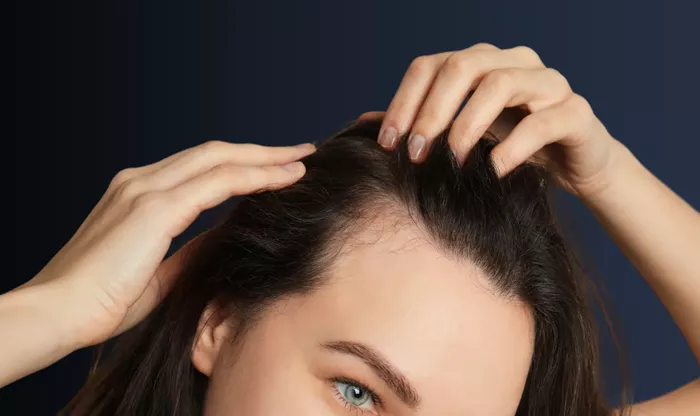
How to Prevent Hair Loss After a Hair Transplant
Follow Post-Operative Instructions
Follow your surgeon’s advice regarding washing, sleeping, and activities to protect follicles.
Take Recommended Medications
Medications such as minoxidil or finasteride can support transplanted and natural hair growth.
Avoid Stress on the Scalp
Tight hairstyles, trauma, or heavy exercise can harm follicles, especially in the first year.
Maintain a Healthy Lifestyle
Balanced diet, regular exercise, and avoiding smoking improve hair growth and follicle health.
Regular Checkups
Follow-up visits with your surgeon help identify and address problems early.
Factors Affecting Long-Term Hair Growth
Quality of Donor Hair
Thick, healthy hair from the donor area is more likely to survive long-term.
Surgical Skill
Experienced surgeons minimize trauma to follicles and maximize survival.
Post-Transplant Care
Proper scalp care, avoiding harsh chemicals, and preventing infection are essential.
Genetics
Genetic factors affect surrounding hair, which can influence overall appearance.
Age and Health
Older age or chronic illnesses can slow growth or cause thinning over time.
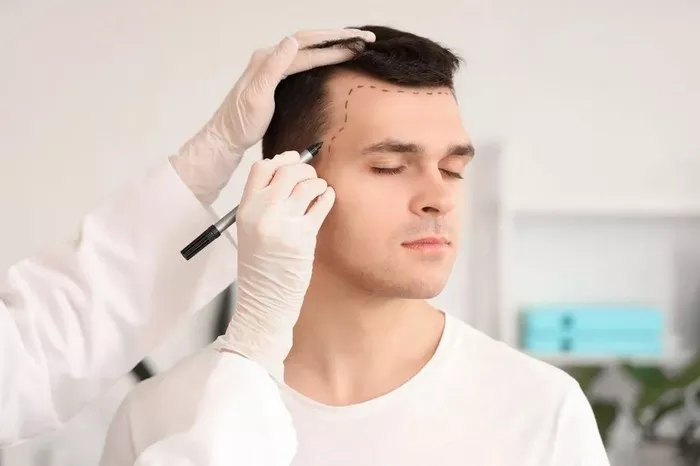
Signs of Hair Falling After a Year
- Normal Shedding: A few hairs falling is normal.
- Excessive Thinning: Noticeable bald spots or thinning should be checked.
- Redness or Infection: Pain, redness, or pus may indicate follicle damage.
When to See a Doctor
Significant hair loss after a year warrants medical consultation. Doctors check for:
- Scalp infections
- Autoimmune conditions
- Nutritional deficiencies
- Progression of natural hair loss
Options if Transplanted Hair Falls
- Touch-Up Transplants: Additional procedures to fill thinning areas.
- Medications: Minoxidil and finasteride help maintain hair.
- PRP Therapy: Platelet-rich plasma can stimulate weak follicles.
FAQs About Hair Transplant Hair Falling After a Year
Is it normal for transplanted hair to shed after one year?
Shedding is normal early on. After one year, it is less common but can occur due to medical issues or surrounding hair loss.
Will my transplanted hair fall if I have male pattern baldness?
Transplanted hair is resistant, but natural hair may continue thinning, affecting overall appearance.
Can I prevent transplanted hair from falling?
Yes. Follow post-op instructions, take medications if prescribed, and maintain a healthy lifestyle.
What should I do if transplanted hair starts falling after a year?
Consult your surgeon or dermatologist to identify causes and possible treatments like PRP or touch-ups.
Does age affect transplanted hair survival?
Older patients may experience slower growth. Younger patients usually see better long-term results.
Are there any risks of hair falling long after the transplant?
Yes, mainly due to infection, scarring, or underlying medical conditions. Proper care minimizes these risks.
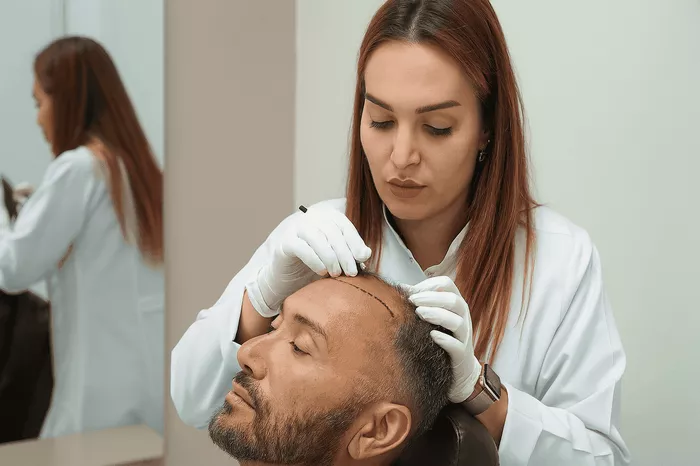
Conclusion
Transplanted hair is usually permanent, but some hair loss may occur after a year due to various factors. Following post-op care, taking medications, and maintaining a healthy lifestyle are essential for long-term success. Regular follow-ups help ensure your hair transplant results remain natural and lasting.
