
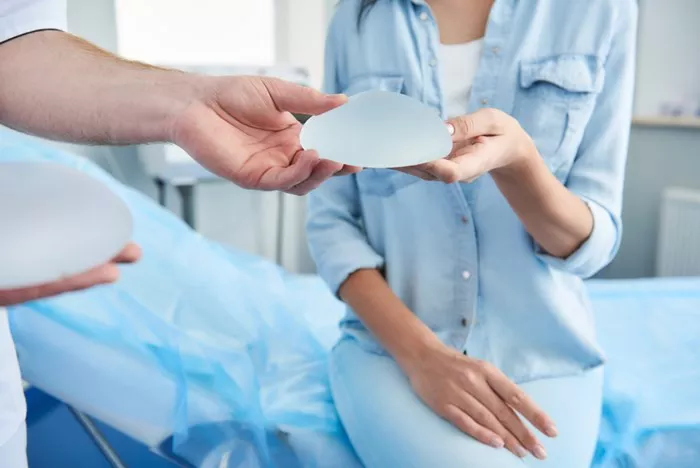
A growing number of influencers and OnlyFans creators are choosing to remove their breast implants, citing a range of troubling health symptoms they believe are linked to a condition commonly referred to online as “breast implant illness” (BII).
The trend has gained traction across social media platforms, where personal accounts of unexplained medical issues—ranging from vertigo and chronic fatigue to hair loss and skin problems—have sparked renewed debate about the long-term effects of cosmetic breast augmentation.
Personal Stories Fuel Online Discussion
Los Angeles-based content creator Sami Sheen revealed last year that she was seeking surgery to remove implants she received in 2022 after experiencing nearly two years of unexplained health concerns.
“I’ve been experiencing health issues for nearly two years now with the weirdest symptoms and finally discovered that I have breast implant illness,” she wrote on Instagram, adding that she hopes to have the implants removed “as soon as possible” to begin feeling better.
Sheen said she has experienced symptoms including allergies, vertigo, rashes, headaches, mood swings and hair changes, and acknowledged feeling anxious about returning to her pre-surgery appearance despite believing removal is the best choice for her health.
Other high-profile figures have shared similar experiences. YouTuber Trisha Paytas has told followers she suspects her implants are harming her health, while podcast host Bunnie Xo said she decided to remove hers after severe symptoms she associated with BII. Influencer Paige Lorenze also documented her decision to undergo explant surgery, describing it as a positive step for both her physical well-being and body image.
What Is ‘Breast Implant Illness’?
“Breast implant illness” is not a formal medical diagnosis but a term used by some patients and clinicians to describe a wide range of symptoms reported after breast augmentation.
According to the U.S. Food and Drug Administration (FDA), commonly cited symptoms include:
- Fatigue and “brain fog”
- Joint and muscle pain
- Hair loss
- Anxiety or depression
- Rashes or skin issues
- Weight fluctuations
- Dry eyes and mouth
- Sleep disturbances and gastrointestinal problems
The FDA notes that these symptoms have been reported in patients with all types of implants—silicone or saline, textured or smooth—and may develop soon after surgery or years later. In some cases, individuals report improvement after implants are removed, though outcomes vary.
Despite acknowledging these reports, the agency states that BII is not recognized as an official medical condition, and there are currently no specific diagnostic tests or criteria to define it.
Regulatory Response and Ongoing Research
In 2021, the FDA introduced new safety measures requiring manufacturers to include boxed warnings about potential systemic symptoms and provide patients with a decision checklist to support informed consent prior to surgery.
Medical experts say more research is needed to determine whether a direct causal relationship exists.
“We do not have a scientific link which proves these symptoms are caused by implants,” said plastic surgeon Ms. Roy, emphasizing the need for further global study.
Consultant plastic surgeon Naveen Cavale has similarly noted that adverse reactions are considered rare and that modern silicone implants are generally regarded as safe when procedures are performed by qualified professionals.
A Shift in Beauty Trends?
The wave of implant removals has also been described by some commentators as part of a broader cultural shift toward “deinfluencing”—a movement in which online personalities openly reconsider or reverse past cosmetic choices.
Some influencers now urge followers to think carefully before undergoing surgery, particularly during emotionally difficult periods, warning that cosmetic procedures may not address underlying self-image concerns.
The Bottom Line
While federal regulators maintain that breast implants remain safe for most patients, the rise in personal testimonies has intensified public conversation about long-term risks, informed consent and the need for continued scientific investigation.
For now, BII remains a debated and poorly understood phenomenon—one that is increasingly influencing both medical discussions and social media narratives surrounding cosmetic surgery.
