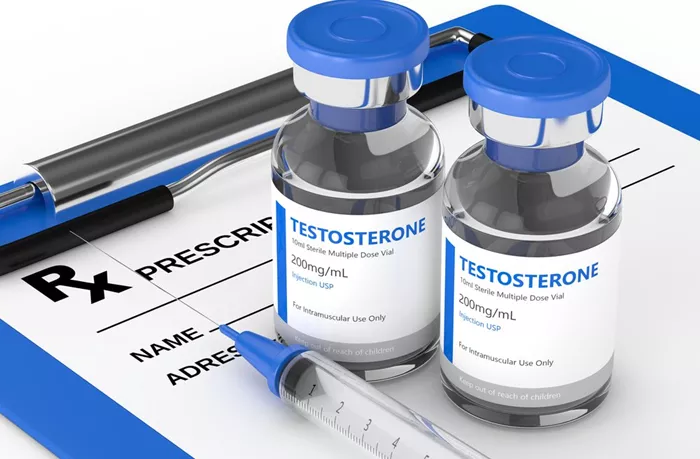
Online ads and pop-up clinics are drawing men toward testosterone therapy with promises of renewed energy, focus, and vitality. Marketed as a lifestyle upgrade rather than a medical necessity, these services now offer at-home testing and quick prescriptions. But health experts caution that testosterone therapy should only be used for men with a confirmed deficiency, not as a general wellness boost.
Testosterone deficiency, or hypogonadism, occurs when the body fails to produce enough of the hormone due to testicular or hormonal dysfunction. It may result from injury, chronic diseases such as obesity and diabetes, or genetic causes. When blood tests confirm low levels, prescribed therapy can improve mood, sexual function, muscle strength, and bone density.
However, many private “men’s health” clinics target vague symptoms such as stress, fatigue, or loss of motivation, often encouraging men to pay for unverified tests. Some use single fingerstick blood tests, which can produce inaccurate results. Because testosterone levels naturally fluctuate throughout the day, physicians recommend testing in the morning after fasting and repeating the test at least once for accuracy.
There is no universal definition of “low testosterone.” Normal levels vary based on lab methods, age, and genetics. Even when values appear low, not all men experience symptoms. Diagnosis should rely on both symptoms and consistent lab results. Fatigue and low mood are often tied to lifestyle factors such as sleep, stress, and nutrition rather than hormone imbalance.
Some men begin testosterone therapy despite normal hormone levels, seeking physical enhancement or perceived vitality. Raising testosterone above 12 nanomoles per liter rarely provides extra benefit and can disrupt the body’s natural hormone production. Once therapy starts, long-term use is often needed, and stopping treatment can temporarily cause withdrawal symptoms.
When prescribed and supervised by a specialist, testosterone therapy is considered safe. Long-standing fears about prostate cancer have been largely disproven, though studies suggest a modest increase in risks for atrial fibrillation and blood clots. The most significant concern is fertility, as the therapy suppresses sperm and natural testosterone production.
Experts emphasize that testosterone is a prescription medication requiring ongoing monitoring. Men who pursue treatment through online providers risk inappropriate dosing, side effects, and unnecessary costs. Some later seek medical help to manage complications.
At the same time, online health services highlight an important issue: many men with true deficiencies go undiagnosed because they hesitate to seek medical care. With proper regulation and clinician oversight, telehealth platforms could help raise awareness while ensuring only those with confirmed low testosterone receive therapy. Used appropriately, testosterone can restore health and well-being; used carelessly, it can compromise both.
Related topics
- Experts Explain How to Recognize Low Testosterone and Raise Levels Without Therapy
- Low Testosterone Fuels Osteoporosis in Men with Rising Fracture Risk
- When to Consider Testosterone Testing and Understanding the Results