
Declining testosterone levels in aging men accelerate bone loss, increasing osteoporosis risk and fractures. Low testosterone doubles fracture risk independent of age or weight, with one in four men over 50 facing an osteoporosis-related break. Men account for 30% of hip fractures annually, facing higher one-year post-fracture mortality than women.
Testosterone’s Bone Role
Testosterone maintains bone density by promoting osteoblast activity and converting to estradiol, which activates bone receptors to curb resorption. Levels drop starting mid-40s, slowing bone formation and raising porosity by age 50. Vitamin D enhances this via calcium absorption, with studies linking low free testosterone to poor bone health.
High-Risk Groups
Men with hypogonadism, chronic steroid use, kidney disease, diabetes, heavy smoking, alcohol excess, or family history face accelerated spine and hip loss. Secondary causes affect two-thirds of male cases versus one-fifth in women. Bone changes emerge subtly before 50.
Early Warning Signs
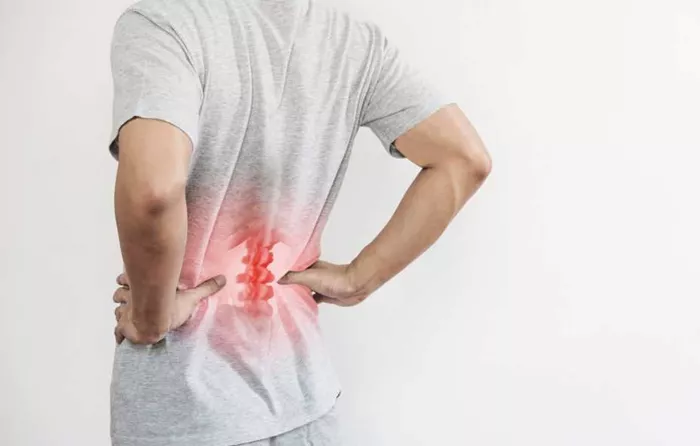
Osteoporosis progresses silently in men, often diagnosed post-fracture. Watch for height loss over 1-2 inches, chronic back pain or kyphosis, grip weakness, and fatigue with low libido signaling testosterone drop. These prompt evaluation before breaks occur.
Screening Guidelines
USPSTF deems evidence insufficient for routine male screening but urges risk-based dual-energy X-ray absorptiometry (DXA) for candidates like those over 70 or with FRAX 10-year risk above 20%. Test serum testosterone, vitamin D, and calcium first. American College of Physicians endorses periodic risk review in older men.
Treatment Options
Testosterone replacement boosts spine density in hypogonadal men but recent trials like TRAVERSE show no fracture reduction and possible increase. Prioritize bisphosphonates or denosumab for high-risk cases, plus 1,200 mg calcium, 2,000 IU vitamin D daily, weight-bearing exercise, and smoking cessation. Monitor cardiovascular and prostate risks with therapy.
Related topics
