
Testosterone is a vital sex hormone that shapes male physical traits and supports many functions in both men and women. It drives puberty in boys, influencing muscle growth, hair development, deepening of the voice, and sperm production. Though men continue to produce testosterone throughout life, levels often begin to decline gradually after age 30.
Women also need testosterone, though in smaller amounts. It is produced by the ovaries and adrenal glands, helping maintain bone strength, muscle tone, and libido.
Free vs Total Testosterone
In the bloodstream, testosterone binds to two proteins—albumin and sex hormone-binding globulin (SHBG). The unbound portion, known as free testosterone, together with albumin-bound testosterone, forms what is called bioavailable testosterone. These are the forms most readily used by the body.
What Testosterone Testing Involves
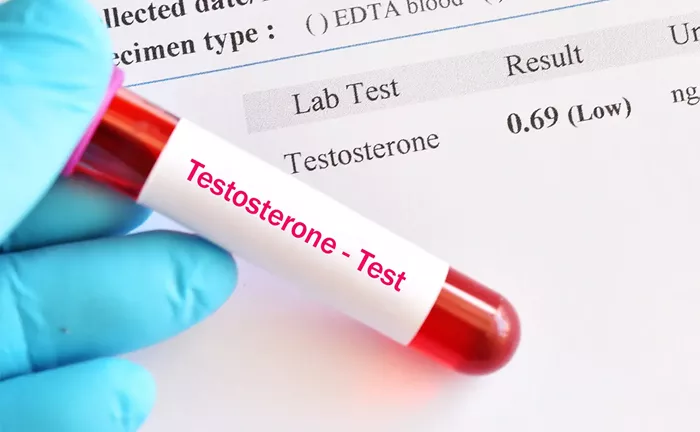
A testosterone test measures the hormone level in the blood through a simple sample drawn from a vein. Doctors use it to detect hormonal imbalances that cause health issues linked to too much or too little testosterone. It is also known as a total or serum testosterone test and can often be booked online for home sample collection.
When to Consider Testosterone Testing
Both men and women may need testosterone testing if they show symptoms suggesting abnormal hormone levels.
Men: To diagnose causes of erectile dysfunction, infertility, or fatigue.
Women: To assess signs of hormonal imbalance such as excessive hair growth, infertility, or polycystic ovary disease (PCOD).
Children: To evaluate delayed or early puberty or ambiguous genitalia.
Transgender individuals: To monitor hormone levels during therapy.
Signs of Testosterone Imbalance
Low Testosterone in Men:
Reduced sex drive, erectile problems, fatigue, depression, loss of body hair, and decreased muscle mass.
Low Testosterone in Women:
Irregular periods, fertility issues, low libido, vaginal dryness, and bone weakness.
High Testosterone in Women:
Oily skin, acne, male-pattern hair growth, hair loss on the scalp, enlarged clitoris, or irregular periods. In rare cases, this may result from congenital adrenal hyperplasia (CAH), a condition that affects hormone production.
PCOD and Testosterone
PCOD affects about one in five Indian women and often involves increased testosterone levels. This hormonal imbalance can cause acne, hair growth, and menstrual irregularities. Generally, testosterone levels in PCOD stay at or below 150 ng/dL, while levels above 200 ng/dL might point to ovarian or adrenal tumors.
To confirm the diagnosis, doctors may suggest related hormone tests such as DHEAS, estrogen, prolactin, FSH, LH, or androstenedione.
Preparing for the Test
No special preparation is needed for testosterone testing. Blood samples are best taken in the morning as levels tend to dip later in the day. Certain medicines, particularly hormone therapies and antifungal drugs like ketoconazole, can influence results and should be discussed with your doctor beforehand.
Conclusion
Testosterone levels change naturally with age, diet, and physical activity. However, persistent symptoms of deficiency or excess should not be ignored. Consulting a doctor after testosterone testing helps determine whether the changes reflect normal aging or a treatable medical condition.
Related topics
