
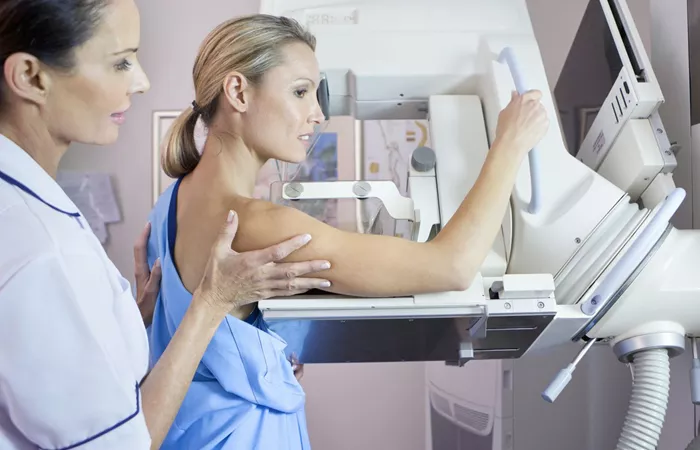
Women who miss their first scheduled mammogram may face a 40% higher long-term risk of dying from breast cancer, according to a large Swedish study published in The BMJ. The findings are based on more than 400,000 women followed for up to 25 years, offering one of the longest and most comprehensive analyses of its kind.
Early Detection Strongly Improves Survival
Breast cancer is the second most common cancer among U.S. women and the second leading cause of cancer-related deaths, according to the U.S. Centers for Disease Control and Prevention. In 2022, more than 279,000 new cases were reported nationally, and over 42,000 women died of the disease in 2023.
Early detection remains critical. When breast cancer is found before it spreads, the five-year survival rate exceeds 99%. Once it spreads to distant organs, survival drops to about 32%, the American Cancer Society reports.
First Missed Appointment Predicts Future Missed Screenings
The Swedish study found that nearly one-third of women did not attend their first invited mammogram. Those who skipped the initial screening were far less likely to attend future exams and were more likely to be diagnosed with advanced cancer.
Women who missed their first screening had 1.5 times the odds of receiving a stage 3 diagnosis and 3.6 times the odds of being diagnosed at stage 4 compared with women who attended their first mammogram. After 25 years, breast cancer deaths were significantly higher in women who missed that initial appointment.
Researchers emphasized that while findings may not apply to all health systems, the pattern is consistent: missing early screenings increases the likelihood of late diagnoses and worse outcomes.
Why Delayed Screening Increases Long-Term Risk
Experts note that skipping the first mammogram often signals long-term underuse of screening. Barriers may include limited access, lack of awareness, cultural factors, or fear of results. Persistent gaps in screening increase the likelihood of detecting cancer only after symptoms appear—often at more advanced stages, when treatment is less effective.
Current U.S. Screening Recommendations
The U.S. Preventive Services Task Force advises women at average risk to begin biennial mammograms at age 40 and continue through age 74. Women older than 75 should make screening decisions in partnership with their clinicians.
Women with higher risk—such as those with certain genetic mutations, a strong family history, or prior chest radiation—may need earlier or more frequent screening.
Additional Tests And Breast Self-Awareness
Mammography remains the standard screening tool for most women. Those at higher risk or with dense breast tissue may benefit from additional imaging such as breast MRI or ultrasound.
Routine breast self-exams are not recommended as a replacement for mammograms. However, clinicians encourage breast self-awareness—knowing what is normal and promptly reporting changes such as a new lump, nipple discharge, skin changes, swelling, or persistent pain.
Steps That May Reduce Breast Cancer Risk
While not all breast cancers are preventable, several lifestyle factors influence risk. Avoiding tobacco, limiting alcohol, maintaining a healthy weight, staying physically active, and eating a balanced diet can help reduce overall risk and support long-term health.
The study’s findings underscore a central message: attending the first mammogram is a crucial step in establishing consistent breast cancer screening and improving long-term outcomes.
Related topics
